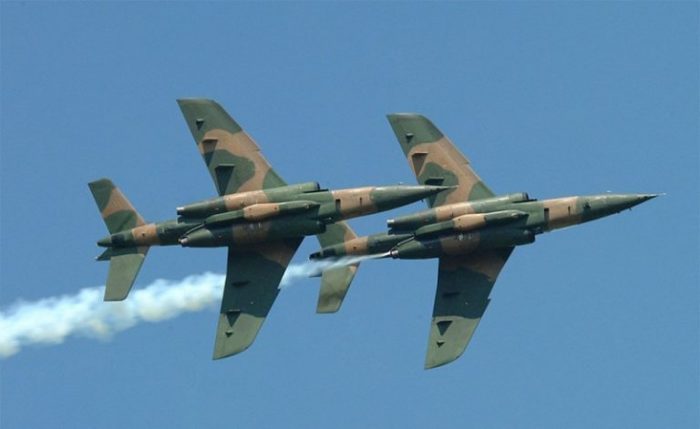
In a significant blow to terrorist operations in Nigeria’s northeast, the Nigerian Air Force (NAF) has confirmed the successful destruction of a major logistics and workshop hub in Borno State. The precision strike, which neutralised multiple terrorists and their assets, offers a revealing case study in modern, intelligence-driven warfare.
The operation, conducted by the Air Component of Operation HADIN KAI, targeted a clandestine site at Dabar Masara in the Southern Tumbuns area. According to a statement from the Director of Public Relations and Information, Air Commodore Ehimen Ejodame, the mission was the culmination of meticulous intelligence work, not a reactionary strike.
From Intelligence to Action: The Anatomy of the Strike
This mission underscores a critical evolution in counter-insurgency tactics. It followed a defined, professional cycle:
- Credible Intelligence: Initial reports indicated sustained movement of armed elements and the presence of a workshop—a key node for maintaining vehicles and weaponry.
- Coordinated ISR (Intelligence, Surveillance, and Reconnaissance): Prior missions used aerial assets to monitor the area, revealing vehicles deliberately concealed under natural vegetation—a classic signature of a logistics base.
- Validation: On the day of the operation, surveillance confirmed active terrorist manoeuvres around the concealed vehicles, providing a “positive identification” of legitimate military targets.
- Engagement: Acting in strict adherence to Rules of Engagement (ROE)—protocols designed to minimise civilian casualties—precision munitions were deployed.
- Battle Damage Assessment (BDA): Post-strike analysis verified the destruction of the vehicles and the neutralisation of terrorist elements, closing the loop on the operation’s effectiveness.
The Strategic Significance: Why Logistics Hubs Are Priority Targets
Destroying a logistics hub is often more crippling than a tactical fight against foot soldiers. These hubs function as the lifeblood of an insurgency, responsible for:
– Vehicle Maintenance: Keeping technicals (armed pickup trucks) and transport vehicles operational.
– Weapon Storage & Repair: Safeguarding arms, ammunition, and providing rudimentary repair facilities.
– Supply Chain Node: Acting as a transit point for food, fuel, and other supplies before distribution to forward units.
By eliminating such a node, the NAF disrupts the enemy’s mobility, sustainment, and operational tempo, creating cascading failures across their network.
Context: The Southern Tumbuns and the Evolving Battlefield
The location—the Southern Tumbuns, near Lake Chad—is a strategically complex region. Its terrain of islands, marshes, and dense vegetation has historically provided cover for terrorist groups. A successful air interdiction here demonstrates improved ISR capabilities and the ability to act on intelligence in challenging environments. It also signals continued pressure on groups attempting to use these remote areas as sanctuaries and supply routes.
Air Commodore Ejodame emphasised that this mission reflects the NAF’s commitment to “precise, intelligence-led air operations aimed at degrading terrorist networks.” This approach is crucial for enhancing security and protecting civilians, as it focuses on high-value targets with reduced risk of collateral damage compared to less discriminate methods.
While the immediate tactical victory is clear, the long-term strategic impact will depend on sustained pressure and complementary ground operations to prevent the re-establishment of such hubs. This strike stands as a testament to the professional application of air power within a complex counter-insurgency campaign.
Edited by Bashir Rabe Mani