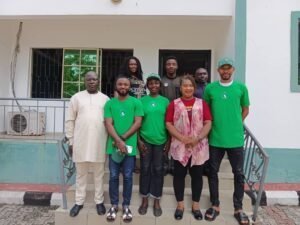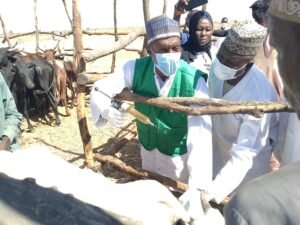
In the face of a global dietary shift towards convenience, a coalition of experts and food activists is issuing a compelling call to action: Nigerians must reclaim their food heritage. The message, delivered at the 2025 “My Food is African” festival in Abuja, goes beyond simple nutrition—it’s a plea for health, environmental sustainability, and cultural sovereignty in the face of encroaching processed foods and genetically modified organisms (GMOs).
The event, organized by the Health of Mother Earth Foundation (HOMEF), served as a powerful platform to highlight the growing dangers of the modern food system. Experts presented a clear case that the preference for “fancy” and highly processed alternatives is not just a culinary choice, but a significant threat to public well-being.
The High Cost of Convenience: Health Risks of Processed Foods
Mrs. Joyce Brown, Programmes Director of HOMEF, articulated the core health concern. “Researchers have consistently linked modern processed foods to a host of health challenges,” she stated. The experts warned that excessive consumption is directly tied to the rising incidence of non-communicable diseases, including certain cancers, kidney failure, diabetes, and hypertension.
These foods are often loaded with refined sugars, unhealthy trans fats, excessive sodium, and artificial additives—ingredients alien to traditional diets and linked to chronic inflammation and metabolic dysfunction. Brown urged a long-term perspective: “Sometimes people think about the time it takes to prepare food, but we should think long term. Consuming unhealthy food over time can seriously affect your health.”
Beyond the Plate: Environmental and Cultural Degradation
The argument extends far beyond individual health. The production methods for industrial, processed foods are a primary driver of environmental degradation, involving deforestation, high carbon emissions, and biodiversity loss. Furthermore, as dietary habits shift, heirloom seed varieties and indigenous crops face extinction, eroding agricultural biodiversity that has been nurtured for generations.
“The methods of production also bring about environmental degradation,” Brown noted, connecting consumer choice to broader ecological impacts. This loss of seed diversity makes food systems less resilient to climate change and pests.
The GMO Quandary: Food Security vs. Food Sovereignty
A significant portion of the discussion focused on the threat posed by genetically modified organisms. Mr. Martins Olamide, Associate Director for Climate Change, Corporate Accountability and Public Participation in Africa, highlighted the vulnerability of Nigeria’s food system due to “weak regulatory oversight and heavy corporate influence.”
He challenged the prevailing narrative: “The argument that GMOs will ensure food security has been proven false. What we are looking for is food sovereignty—knowing what you eat and why you eat it.” Food sovereignty emphasizes local control, ecological sustainability, and the right of people to define their own food systems, a stark contrast to the corporate-controlled model often associated with GMOs.
This concern was echoed in the recall of a 2024 House of Representatives recommendation to suspend GMO approvals pending investigation—a decision the experts urged the government to fully implement and strengthen with independent, rigorous research.
Reclaiming Heritage: Food as Identity and Power
The festival was, at its heart, a celebration of identity. Mrs. Mariann Bassey-Olsson, Executive Director of Environmental Rights Action/Friends of the Earth Nigeria, powerfully framed local food as central to culture. “Nigeria has a rich and diverse culture… Every ceremony involves food, and if anyone captures our food, they have already captured us,” she said.
This perspective transforms the act of eating local from a dietary preference into an act of cultural preservation. The rich, diverse, and powerful recipes handed down through generations are repositories of history, community knowledge, and nutritional wisdom tailored to local environments.
A Practical Call to Action
The experts’ call is clear and actionable:
- Prioritize Whole, Local Ingredients: Choose indigenous grains like millet and sorghum, local legumes, and a wide variety of traditional vegetables and fruits.
- Support Local Farmers: Buying directly from markets strengthens local economies and preserves agricultural diversity.
- Revive Home Cooking: Re-embrace the knowledge of previous generations in preparing meals from scratch, controlling ingredients and nutrients.
- Demand Robust Regulation: Advocate for stronger food safety laws, transparent labeling, and precautionary principles regarding GMOs and ultra-processed foods.
- Celebrate and Share: As done at the festival, sharing recipes and meals keeps culinary heritage alive and builds community awareness.
Ultimately, choosing local food is framed not as a step backward, but as a progressive stride toward a healthier population, a more sustainable environment, and a truly sovereign nation. It is a choice to feed the body, nurture the land, and protect the soul of a culture.
Reported by EricJames Ochigbo at the 2025 HOMEF Food Festival in Abuja.