
By Justina Auta
Abuja, Dec. 18, 2025
In a landmark public health achievement, Nigeria has declared that approximately 47.1 million citizens no longer require preventive treatment for two debilitating neglected tropical diseases (NTDs): lymphatic filariasis (elephantiasis) and onchocerciasis (river blindness).
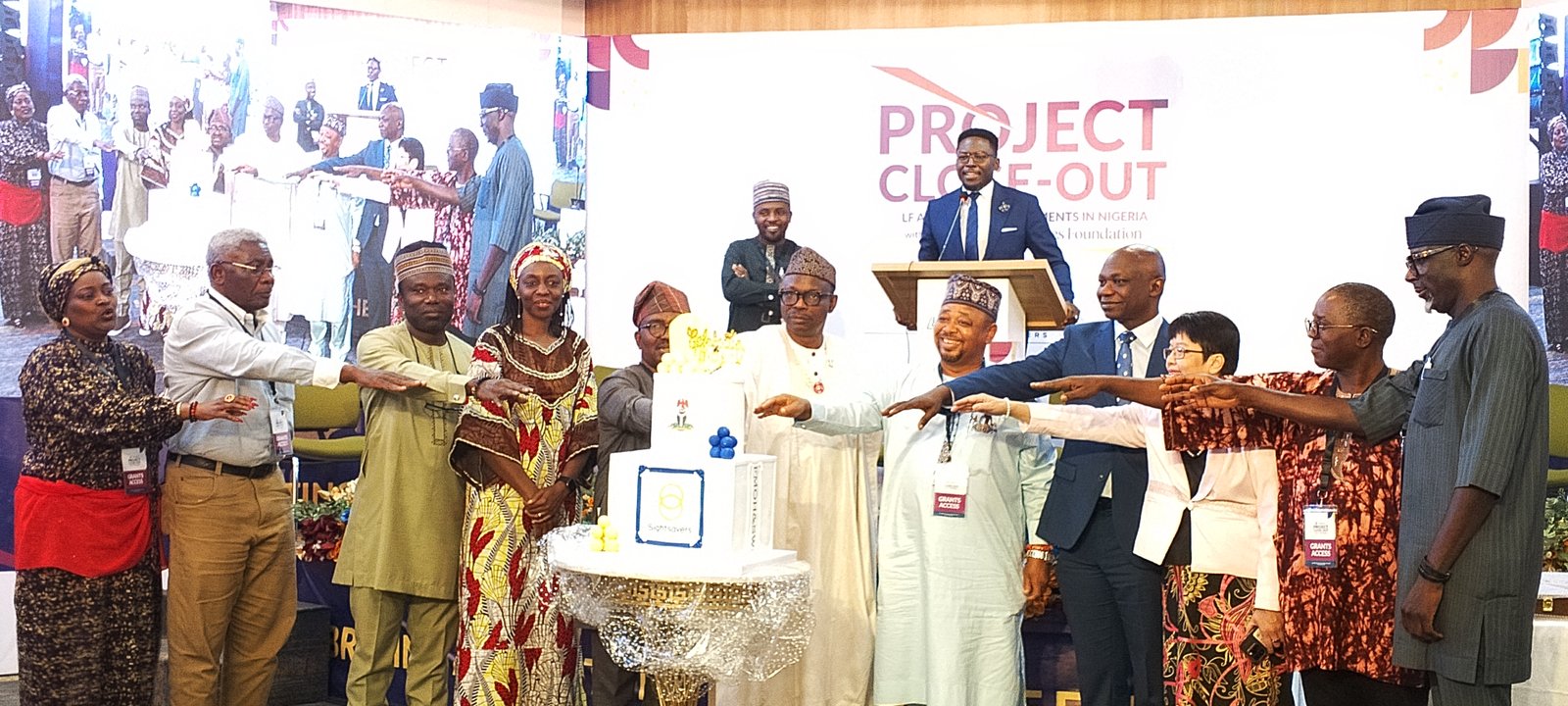
Dr. Iziaq Salako, Minister of State for Health and Social Welfare, announced the milestone at the close-out ceremony of the groundbreaking BLON Project in Abuja. The project, which stands as Nigeria’s largest-ever coordinated assessment for these diseases, successfully mapped the transmission status across 13 states.
Closing a Critical Gap in the Elimination Roadmap
The minister explained that while many communities had met the World Health Organization’s (WHO) thresholds for stopping mass drug administration (MDA)—the annual distribution of medicines like ivermectin and albendazole—they lacked the resources to conduct the rigorous, evidence-based assessments required to officially declare the diseases under control. This created a dangerous limbo where treatments might be unnecessarily continued or prematurely stopped.
“Previous partner-led efforts were fragmented and costly, making nationwide scale-up difficult,” Salako noted. To solve this, the Federal Ministry of Health forged a strategic partnership with NGOs including Sightsavers, Christian Blind Mission International, Helen Keller International, and MITOSATH. With $4.9 million in funding from the Gates Foundation, they implemented a unified, cost-effective national assessment program.
Exceeding Targets: The Numbers Behind the Success
The results surpassed all expectations. Nigeria not only met but significantly exceeded its original goals:
- 31.1 million people are now free from the threat of lymphatic filariasis (elephantiasis), a disease that causes severe swelling and disability.
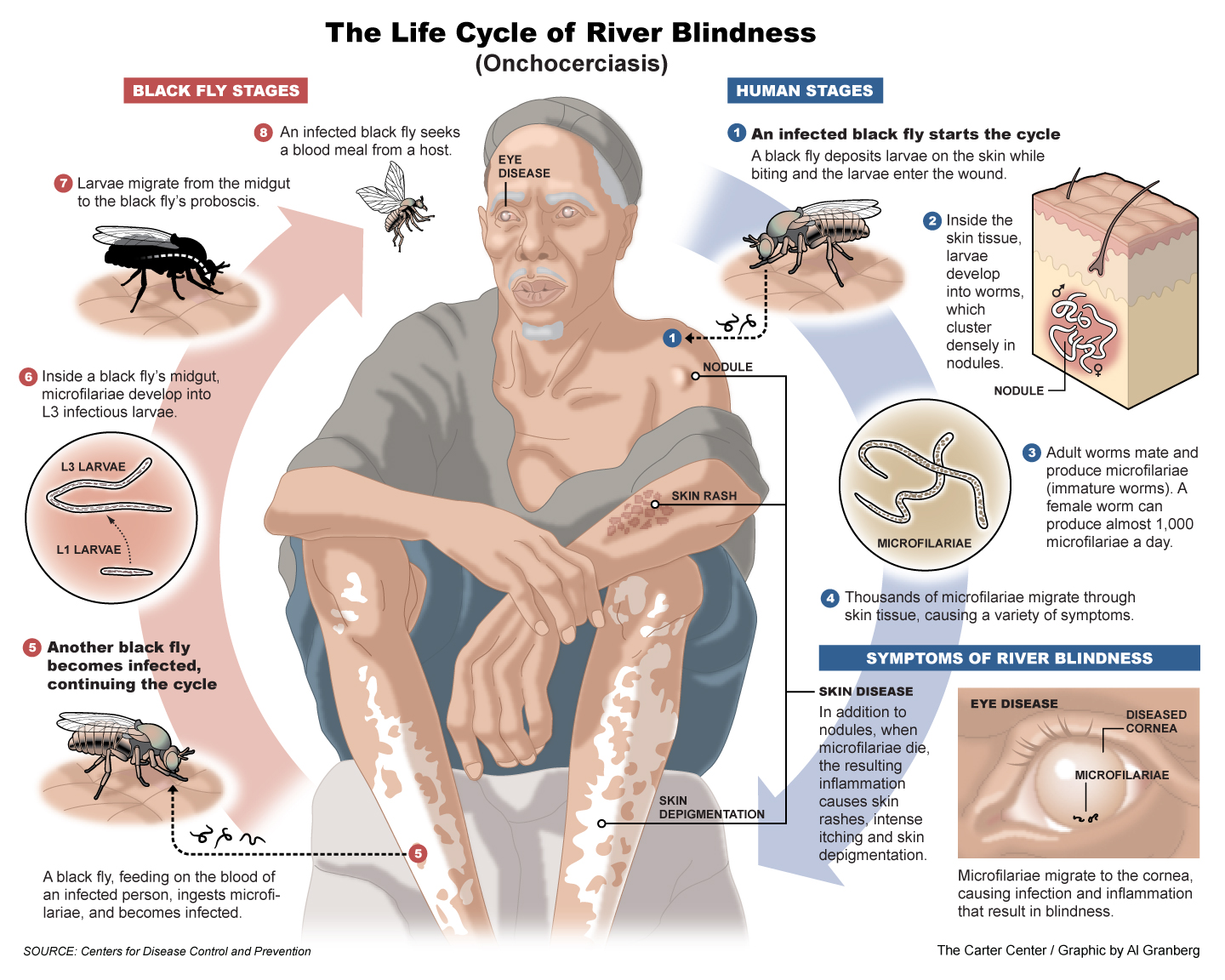
- 16 million people are free from onchocerciasis (river blindness), a parasitic infection spread by black flies that can lead to irreversible sight loss.
- The project conducted 46 Pre-TAS (Pre-Transmission Assessment Survey), 116 TAS 1 and 3 epidemiological surveys, and one breeding-site assessment. This represents 148% of the target for LF assessments and 150% for onchocerciasis assessments.
Beyond Medicine: Building a Sustainable Health System
The project’s impact extends far beyond the immediate disease assessments. A core focus was on creating lasting infrastructure and capacity within Nigeria’s health system:
- Laboratory Strengthening: Four key laboratories—UniOsun, TCC Lab, NIMR Lab, and ABU Lab—were upgraded and achieved the prestigious ISO 15189:2012 international accreditation for medical laboratories. This ensures they can produce reliable, world-class diagnostic results.
- Human Capacity Development: Over 300 personnel were trained as card readers, data recorders, and field sample collectors. Sixty-five laboratory technicians were upskilled in standardized blood collection techniques.
- Institutional Knowledge: The project established critical standard operating procedures (SOPs) for future assessments and developed policies on sample retention and disposal, creating a clear roadmap for future efforts.
Prof. Joy Shuaibu, Sightsavers Nigeria Country Director, emphasized the profound socio-economic transformation this represents: “The remarkable achievement is that millions of Nigerians will no longer be required to take medication to prevent blindness and disability. This allows people to live productive lives, engage in economic activities, and reduces the care burden on families. It is not just about stopping treatment; it is about empowering entire communities.”
The Road Ahead: Sustainability and Nationwide Expansion
While celebrating the success, officials highlighted the need to build on this momentum. The project, initially a 17-month intervention, was extended at no additional cost and concluded in September 2025 to ensure a lasting impact.
Fatai Oyediran, National Coordinator for Neglected Tropical Diseases, appealed for continued support: “We want another series of these projects and more laboratories brought on board.” Partners are actively seeking additional funding to replicate the BLON Project’s coordinated model across all remaining states, aiming for nationwide elimination of these NTDs.
The close-out ceremony featured panel discussions on the future of disease assessments and Nigeria’s elimination roadmap, and recognized individuals and organizations for their pivotal roles. This achievement marks a decisive turn in Nigeria’s long battle against neglected tropical diseases, demonstrating that with coordinated strategy, strong partnerships, and community focus, massive public health victories are within reach.
(NAN) www.nannews.ng
Edited by Abiemwense Moru
:max_bytes(150000):strip_icc()/types-of-doctors-residents-interns-and-fellows-3157293_final-98d29b5c5f4b457791d2ea5fc9c85490.png)