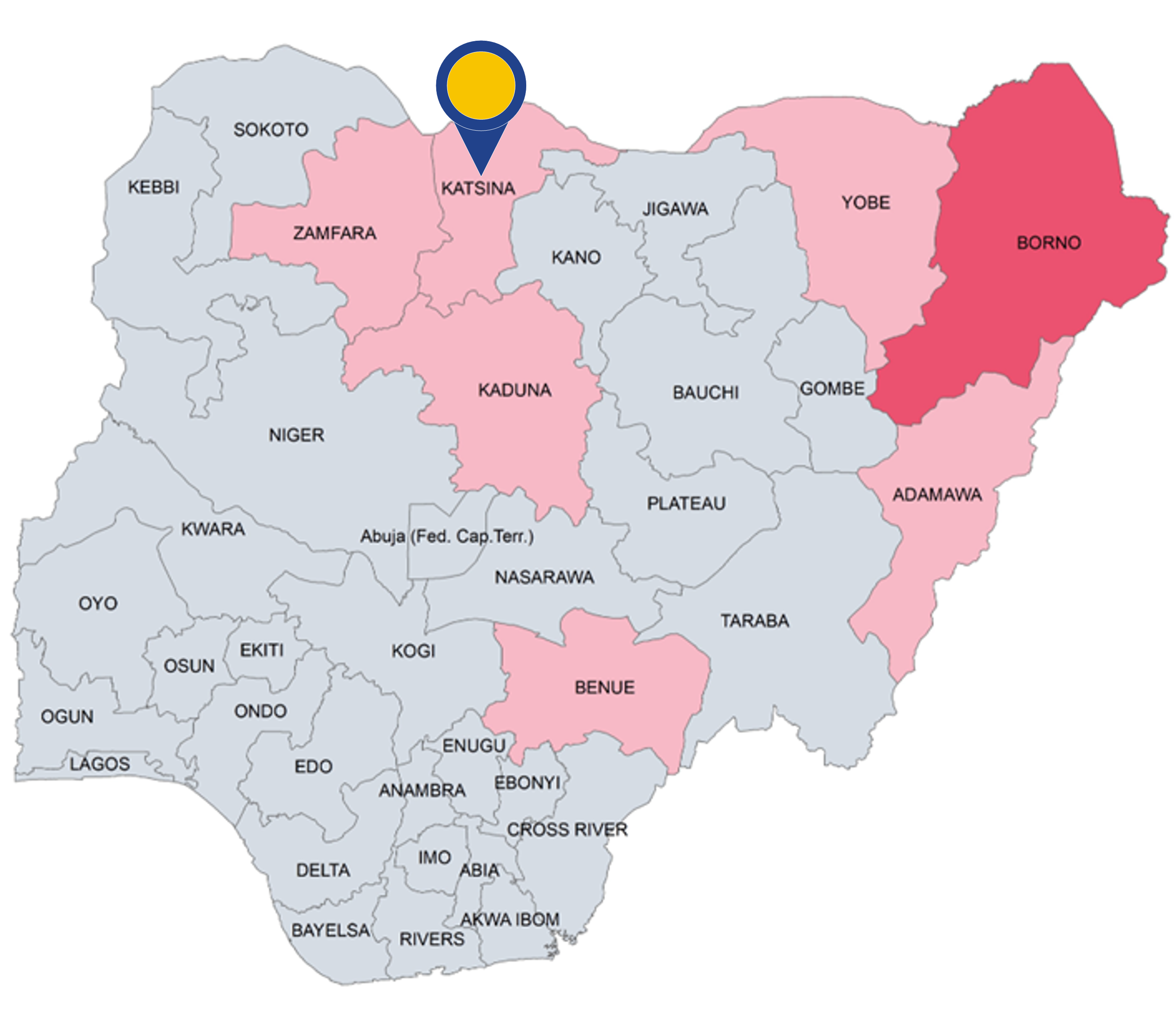
In a landmark move for public asset recovery, the Katsina State Government has successfully traced and reclaimed landed properties valued at over ₦10 billion from Kaduna State and the Federal Capital Territory (FCT). This significant recovery comes nearly four decades after Katsina was carved out of the old Kaduna State in 1987, highlighting the complex, long-term challenges of asset division following state creation in Nigeria.
The announcement was made by Dr. Lawal Aminu-Bala, General Manager of the Katsina State Assets Management Agency, during a press briefing in Katsina. The recovery initiative was launched under the directive of Governor Dikko Radda, who mandated a comprehensive audit and reclamation of all public assets that had been encroached upon or converted to private use.
The Genesis: Unpacking a 38-Year-Old Gazette
The cornerstone of this recovery was a historical document often overlooked in the public discourse: the official gazette that outlined the asset and liability sharing formula between the defunct Kaduna State and the newly created Katsina State. A committee, chaired by the Governor’s Chief of Staff, Alhaji Abdulkadir Mamma-Nasir, unearthed this critical legal instrument.
“This document gave us the latitude to recover landed properties, especially 37 houses and plots within Kaduna and Zaria, that were initially allocated to Katsina,” Aminu-Bala explained. This process underscores a vital lesson in governance: the enduring importance of archival records and legal frameworks in protecting public patrimony.
Scope of the Recovery: Beyond Mere Numbers
The ₦10 billion valuation represents more than just financial value; it signifies the restitution of strategic assets. The recovery includes:
- 37 Houses and Plots in Kaduna & Zaria: These properties, originally part of Katsina’s share, were found to be occupied by individuals, federal agencies, or had been converted to private use.
- 15 Hectares of Land in the FCT: This substantial parcel of land in the nation’s capital represents significant potential future value for Katsina State, whether for development, investment, or establishing a strategic administrative presence.
The Mechanism of Recovery: Collaboration and Legal Precision
A critical factor in the success was the committee’s collaborative approach with the Kaduna State Ministry of Lands and Survey. This inter-state cooperation was essential for the peaceful and procedural takeover of the properties, avoiding protracted legal disputes and setting a positive precedent for resolving similar issues across Nigeria.
Forward-Looking Strategy: Institutionalizing Asset Protection
Recognizing that recovery is only the first step, the Katsina government is implementing a robust system to prevent future losses. This proactive strategy involves:
- Demarcation and Utilization: Taking decisive action to formally demarcate the recovered FCT land and develop plans for its use for the state’s benefit.
- A Statewide Surveillance Network: Recruiting dedicated Assets Surveillance Officers across the state’s 361 wards to protect government property from vandalism and identify underutilized assets.
- A Three-Tier Monitoring System: Appointing local government coordinators to supervise ward officers, with a State Coordinator headquartered at the Assets Management Agency to ensure effective oversight and accountability. This creates a durable institutional framework for asset management.
Broader Implications for Nigerian Governance
Katsina’s ₦10 billion recovery is a case study with national resonance. It reveals how public assets can slip through the cracks for generations following state creation. This initiative serves as a powerful model for other states to audit their own entitlements based on old gazettes and sharing formulas. It demonstrates that with political will, diligent archival work, and inter-governmental collaboration, significant public wealth can be restored to the citizens it was meant to serve.
By Abbas Bamali
Katsina, Dec. 19, 2025 (NAN)
Edited by Bashir Rabe Mani