
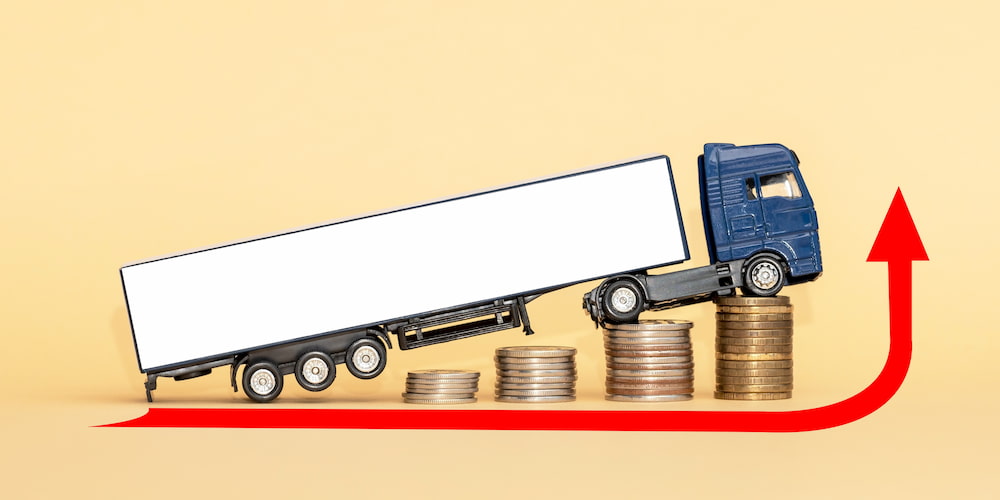
As the festive Yuletide season accelerates, a stark reality is dawning for millions of Lagosians: the cost of moving across Africa’s most populous metropolis has skyrocketed, adding a severe layer of financial strain to an already challenging cost-of-living crisis. This annual surge, while expected, has reached unprecedented levels in 2025, crippling daily budgets and casting a shadow over holiday preparations.
A comprehensive survey by the News Agency of Nigeria (NAN) reveals that fare increases are not merely incremental but often represent a doubling or more of pre-festive rates. This isn’t isolated to a few routes; it’s a systemic shock across major transit corridors, with many commuters facing hikes exceeding 100%.
A Commuter’s Reality: From Budgets to Breaking Point
The data paints a dire picture. On the critical Ojodu-Berger corridor, a trip to Ikeja has leapt from ₦300–₦400 to ₦700–₦800. More dramatically, the fare to Oshodi has jumped from ₦400–₦500 to a staggering ₦1,000. Routes to Yaba, CMS, and Obalende tell a similar story. For the average commuter, this translates to a direct assault on their disposable income.
The human impact is profound. As civil servant Mr. Akinwale Ojo laments, “Transport now takes a large part of my salary. What I used to spend in a week now lasts just two or three days.” His experience of paying ₦500 for a route that cost ₦200 just days prior is emblematic of the volatility. For trader Mrs. Comfort, the situation is a cascading disaster: post-fuel price increases pushed her fare from Berger to Obalende from ₦700 to ₦1,000, only for it to now settle at a fixed ₦1,400. “It is painful and saddening. People are suffering and getting frustrated every day,” she explains. This goes beyond inconvenience; it’s a compression of economic possibility, forcing brutal trade-offs between transportation, food, and holiday expenses.
The Operator’s Dilemma: A Struggle for Survival on Gridlocked Roads
To understand the full picture, one must view it from the driver’s seat. Transport operators and unions are quick to clarify that this is not opportunistic gouging but a fight for survival. A National Union of Road Transport Workers (NURTW) official at Berger axis outlines the perfect storm: soaring costs of fuel and spare parts, exacerbated by Lagos’s infamous traffic congestion.
“Drivers spend longer hours in traffic, burning fuel, and this affects their daily returns,” he notes. The economic model for many commercial drivers is volume-based—more trips equal more income. When gridlock reduces trips from, say, ten to five a day, the only way to maintain a livable wage is to increase the fare per trip. Driver Sadiq’s plea is telling: “We are not happy increasing fares, but fuel prices and repairs are too high… At the end of the day, there is little left.” The union’s appeal for restraint and for authorities to tackle congestion underscores that operators are also trapped in an unsustainable system.
Beyond the Season: Structural Issues Amplifying a Cyclical Crisis
While Yuletide demand naturally pushes prices up, the 2025 surge highlights deeper, year-round vulnerabilities:
- Fuel Price Volatility: The direct link between pump price and transport fare is immediate and unforgiving, as Mrs. Comfort’s account confirms.
- Infrastructure Deficit: Chronic traffic congestion acts as a multiplier, drastically increasing operational costs (fuel, vehicle wear, time) which are then passed to the commuter.
- Lack of Fare Regulation: In the absence of a robust, affordable public mass transit alternative (like a expanded rail network or regulated bus franchises), the informal transport sector operates on a pure cost-plus model, leaving commuters with no cheaper options.
As the festive season reaches its peak, both commuters and operators are locked in a painful adjustment to harsh economic realities. This annual fare hike is more than a seasonal story; it’s a stress test for Lagos’s urban mobility framework. The resolution requires more than appeals for restraint—it demands long-term investment in mass transit, traffic management, and economic policies that stabilize the core inputs, like fuel, that send ripple effects through the entire city. For now, the cost of movement in Lagos has become a central part of the cost of living, turning every journey into a significant financial decision.
Edited by Kamal Tayo Oropo


