In a decisive move to formalise a critical yet overlooked sector, the Certified Institute of Auctioneers of Nigeria (CIAN) has issued a compelling call for federal government intervention. The institute argues that state-sanctioned certification for auctioneering practitioners is not merely an administrative step, but a fundamental catalyst for unlocking significant revenue, creating employment, and integrating Nigeria into global best practices for asset management.
The appeal was made during a strategic visit by CIAN’s leadership to the News Agency of Nigeria (NAN) in Lagos, underscoring the role of media in shaping public and policy perception.
The Core Argument: From Informal Trade to Professionalised Industry
CIAN Chairman, Mr. Babatunde Disu, framed the current state of auctioneering in Nigeria as one of immense untapped potential hampered by a lack of structure. “Our focus is professionalism,” Disu stated. “Auctioneering is not a casual activity. It is a structured, methodological process that ensures goods are sold at their true economic value.”
This distinction is crucial. Without a regulated framework, Disu explained, the auction process is vulnerable to significant inefficiencies:
- Asset Undervaluation: Unregulated auctions often result in assets—whether government surplus, seized goods, or corporate inventory—being sold far below their market worth. This represents a direct loss of revenue for sellers and the public purse.
- Consumer Risk: Buyers and sellers lack protection against fraud, misrepresentation, and disputed ownership, eroding trust in the entire system.
- Reputational Damage: The profession is frequently conflated with distress or “fire” sales, limiting its adoption for routine asset optimization by reputable businesses and individuals.

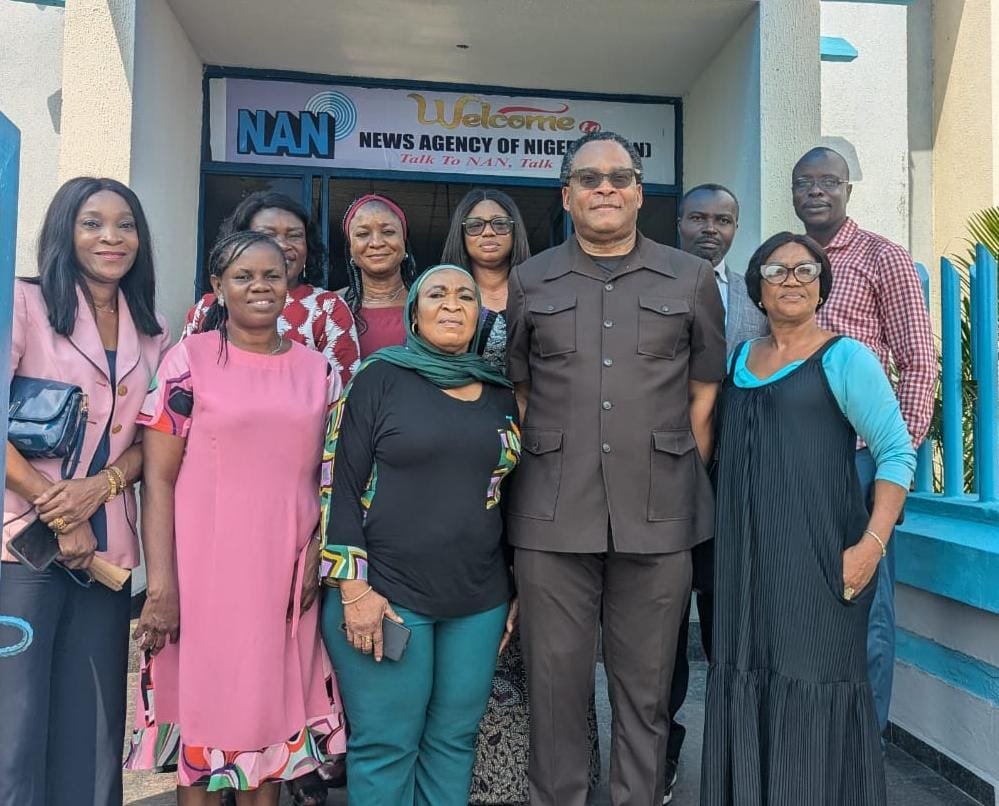
Officials of the Certified Institute of Auctioneers of Nigeria (CIAN) during their visit to the News Agency of Nigeria (NAN) in Lagos.
Beyond “Knock-Down Prices”: The True Economic Function of Auctions
CIAN Secretary, Mrs. Sabrina Opere, elaborated on this point, aiming to redefine the public understanding of auctions. “Auctioneering is not about knock-down prices; it is about bringing many willing buyers into one space to determine the true worth of an item through competitive bidding,” she said.
This process, known as price discovery, is a cornerstone of transparent markets. In contexts like the disposal of seized assets (by the EFCC or Customs) or obsolete government equipment, a well-managed public auction ensures fairness, maximizes returns, and eliminates opacity that can foster corruption.
Tangible Benefits: Liquidity, Jobs, and Economic Dynamism
The institute’s vision extends beyond regulation to highlight concrete economic benefits:
- Unlocking Liquidity: CIAN Treasurer, Mr. Paul Oke, highlighted how professional auctioneers act as liquidity engines. “When assets are properly identified, valued, and marketed for auction, they transform from idle, depreciating items on a balance sheet into immediate cash flow,” he noted. This is vital for businesses managing inventory, banks dealing with collateral recovery, or individuals settling estates.
- Job Creation & Career Pathways: CIAN envisions a structured career ladder. Young Nigerians can enter as trainees, progress to certified auctioneers, and specialize in niches like art, real estate, industrial equipment, or digital asset auctions. With over 400 registered practitioners in Lagos alone and plans for national expansion, the sector represents a viable, skills-based employment frontier.
- Revenue Generation: A formalised industry contributes to government coffers through licensing fees, taxes on auctioneer incomes, and increased transaction values subject to VAT. More importantly, it ensures government agencies themselves recover maximum value from their own asset disposals.
The Path Forward: Engagement and Modernisation
CIAN is not waiting passively. The institute revealed ongoing engagement with the Lagos State Government to review and modernise existing auctioneering laws, aligning them with international standards. This state-level initiative is seen as a model for the federal legislation they ultimately seek.
In response, the Acting Head of NAN Lagos Operations, Hajia Ifeyinwa Omowole, affirmed the agency’s role in disseminating this narrative across its vast print, audio, and digital platforms, including its YouTube channel, to educate the public and policymakers.
The Bottom Line: CIAN’s call reframes auctioneering from a peripheral trade to a strategic component of a modern, transparent economy. Federal certification is positioned as the key that would legitimize the profession, protect stakeholders, unlock capital trapped in idle assets, and create a new, rule-based industry conducive to investment and growth. The ball, as they say, is now in the court of the legislators and regulatory bodies.
Edited by Sandra Umeh
Source link