The 20th edition of the Carnival Calabar, a landmark anniversary for Africa’s largest street party, officially began on Saturday, December 27, 2025, with a vibrant and deeply symbolic cultural parade. The event transformed the streets of Calabar, the capital of Cross River State, into a living tapestry of Nigeria’s rich heritage, setting the stage for a multi-day celebration of identity, creativity, and unity.
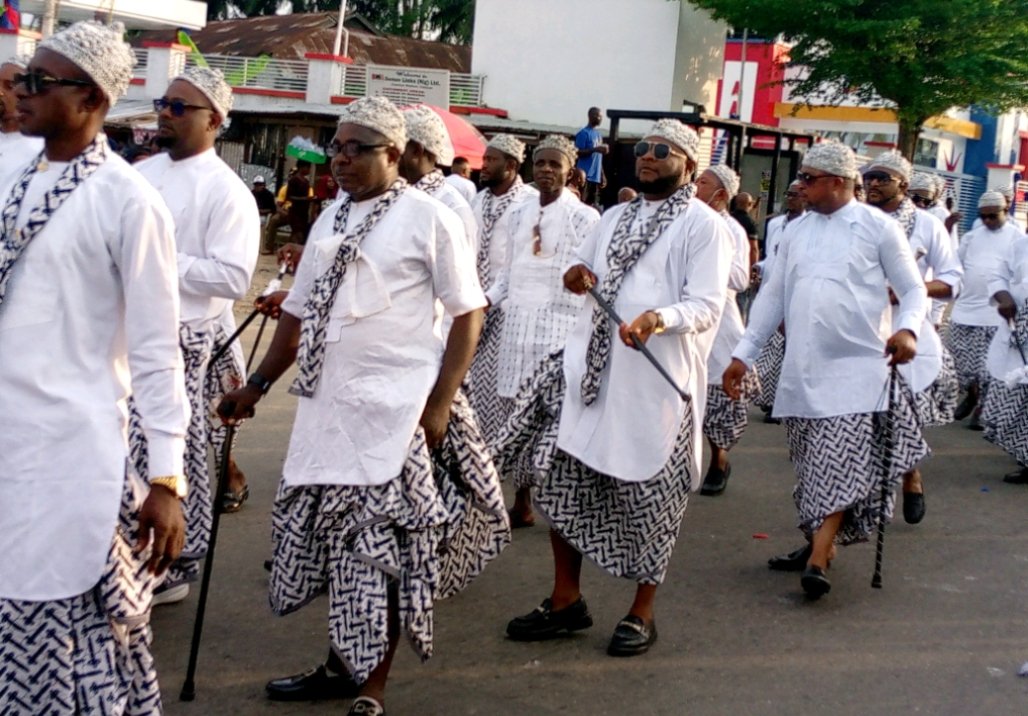
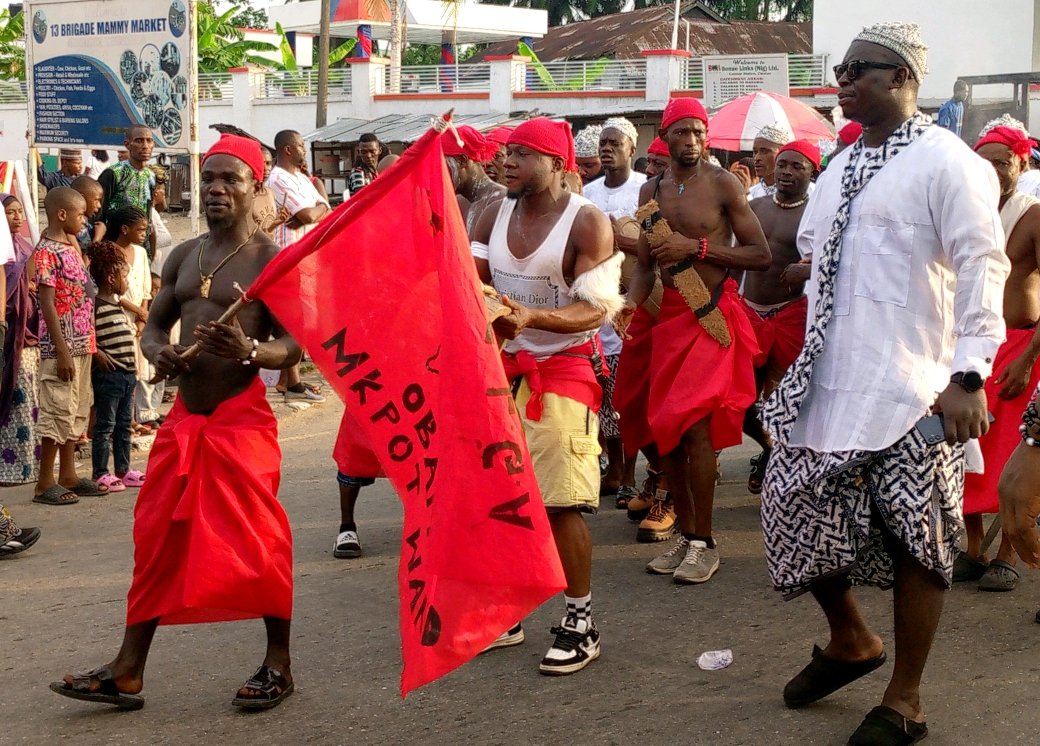
Flagged off at the Millennium Park, the procession was more than just a festive opening; it was a deliberate, curated exhibition of tradition. As reported by the News Agency of Nigeria (NAN), the parade featured representatives from all 18 Local Government Areas of Cross River State, each group serving as a cultural ambassador for their unique tribe and history. The train of colour and sound wound its way from the park through Marian Road to the Rabanna Roundabout, creating a mobile stage where history was performed for dignitaries, officials, and thousands of enthralled spectators.
The atmosphere was palpably electrifying. A mammoth crowd lined the streets, turning the event into a communal family hangout. Children danced with uninhibited joy, parents navigated the excitement, and traders capitalized on the festive mood, hawking local snacks and street foods. The air vibrated with music blaring from public address systems, competing with the rhythmic beats of traditional drums as dancers captivated the audience.
A key intellectual framework for the day was provided by Ikechi Uko, organiser of the AKWAABA African Travel and Tourism Market. In an insightful sideline interview, Uko drew a critical distinction often lost in casual discourse: the difference between tradition and culture. “Tradition is the living practice; culture is the broader identity,” he explained. He positioned the day’s cultural carnival as the traditional component—the heritage “got from their parents.” In contrast, the main street parade scheduled for December 29th represents the contemporary culture—a dynamic, self-created expression of modern identity.
This clarification served to dismiss any notion that the carnival erodes heritage. Instead, Uko framed it as a holistic platform that both preserves (through events like this cultural parade) and evolves (through the contemporary street party) the people’s way of life. The carnival, therefore, is not a replacement for tradition but a complementary, cosmopolitan festival where the past and present dialogue.
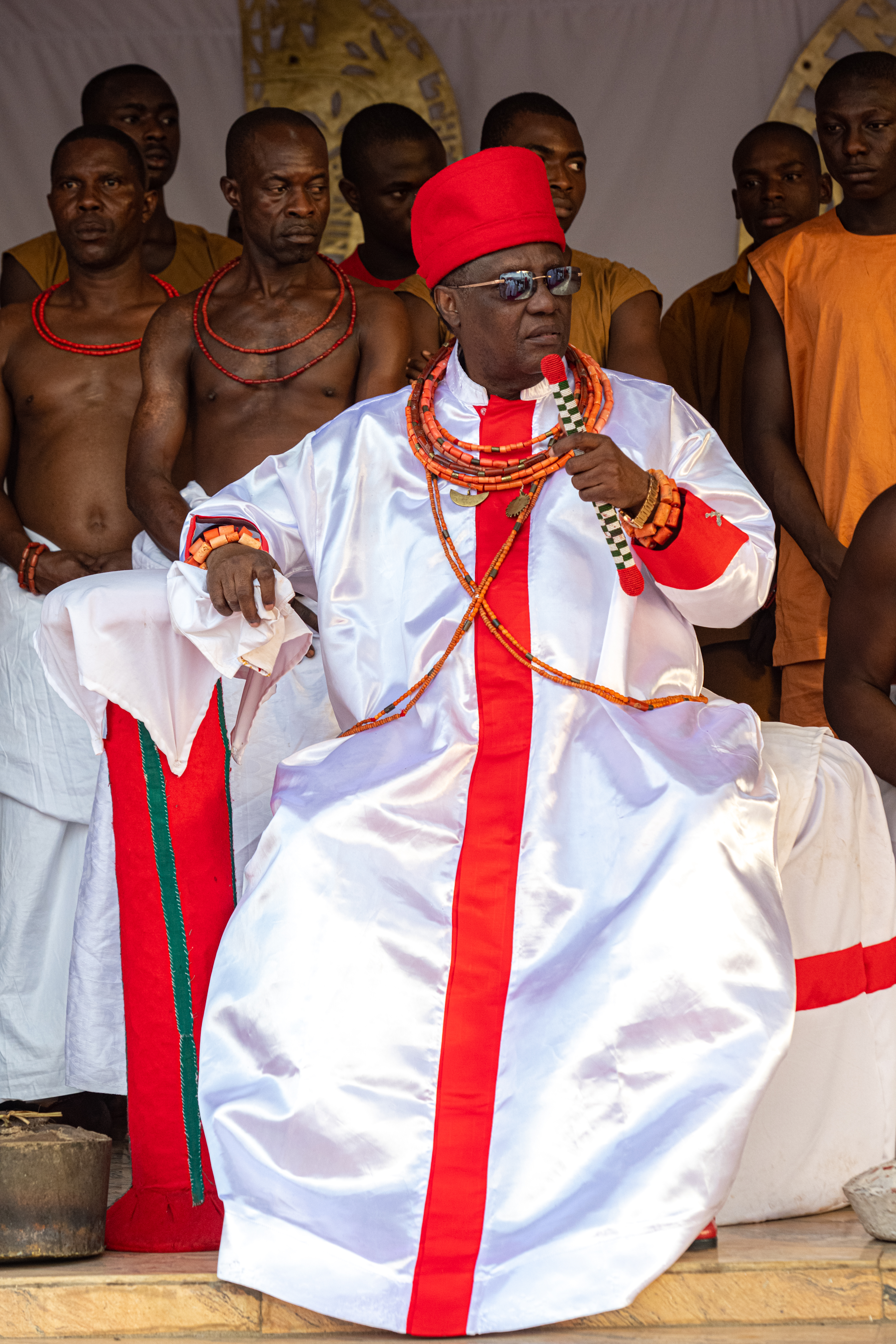
The parade itself was a testament to this blend. A major highlight was the contingent from Ikom Local Government Area, led by its Chairman, Mrs. Mercy Nsor, showcasing the region’s distinct masquerades and dances. Significantly, the celebration transcended state borders. Contingents from Delta, Edo, Kebbi, Katsina, Rivers, Ebonyi, Niger, Nasarawa, and Osun states joined the procession, creating a microcosm of Nigeria. These visiting groups proudly displayed their own cultures through distinctive attire, music, dance, and even samples of local cuisine, elevating the event from a state carnival to a national cultural convocation.
As the sun set around 8:00 p.m., the grand procession concluded at the Rabanna Roundabout. However, the energy of the carnival’s first day was far from spent. The revelry seamlessly transitioned to the U.J. Esuene Stadium for the final events of the evening, ensuring the historic 20th edition began not with a whisper, but with a resonant declaration of pride, diversity, and joyful celebration. The successful cultural parade laid a profound foundation, reminding all that before the sequins and glitter of the main parade, there are roots—deep, colourful, and vibrantly alive.
Source: NAN (Edited by Folasade Adeniran)