
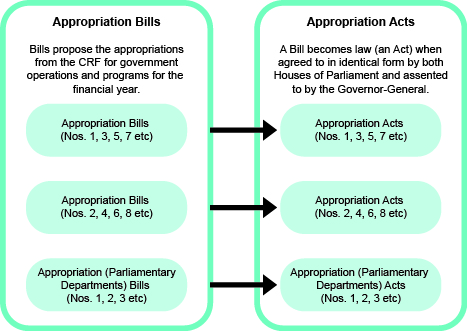
In a significant legislative maneuver aimed at overhauling Nigeria’s fiscal governance, the House of Representatives has repealed and re-enacted the Appropriation Acts for 2024 and 2025. Deputy Spokesperson, Rep. Philip Agbese, framed this not as a routine amendment but as a foundational reform designed to enhance transparency, ease implementation, and align the nation’s budgeting with stringent global best practices.
At its core, this legislative action addresses a chronic dysfunction in Nigeria’s public financial management: the problematic practice of running multiple, overlapping budgets. Agbese explained that this leads to “fiscal confusion,” the dissipation of funds across too many projects, and ultimately, poor outcomes and abandoned initiatives. The abysmally low performance of the 2025 capital budget was cited as a direct consequence. By repealing and re-enacting these laws, the parliament is effectively drawing a clear line in the sand.
The cornerstone of this reform is the establishment of a hard deadline of March 31, 2026. By this date, all capital liabilities from previous budgetary cycles are mandated to be fully funded and closed. “No overlaps, no excuses and no rollover cultures,” Agbese asserted. This creates a definitive cutoff, forcing a transition to a single, coherent national budget cycle. For the executive branch, this means predictable cash flow and timely releases, fundamentally easing the “hassle” of budget execution.
Beyond administrative ease, the move is a profound shift towards strengthened accountability. A single, transparent budget cycle significantly reduces the oversight burden on the legislature. It becomes far easier to track releases, monitor project execution, and hold ministries, departments, and agencies (MDAs) accountable for performance. This directly responds to long-standing public distrust in a process often perceived as opaque and prone to manipulation.
Agbese commended President Bola Tinubu for providing the leadership enabling this reform, describing him as a “listening leader” responsive to calls from lawmakers and economic experts. He also passed a vote of confidence in the Ministry of Budget and Economic Planning for developing a framework that “reflects the nation’s reality.” The diligent work of the Rep. Abubakar Bichi-led House Committee on Appropriations was highlighted for ensuring the bill’s swift passage.
In essence, this is more than a technical budget adjustment. It is a strategic attempt to terminate a deeply ingrained habit of fiscal indiscipline. By mandating a clean break from past liabilities and enforcing a single-cycle system, the legislature aims to restore discipline, improve service delivery, and rebuild public confidence in how Nigeria’s vast resources are allocated and managed. The success of this ambitious reform will hinge on strict adherence to the 2026 deadline and unwavering political will across both legislative and executive arms of government.


