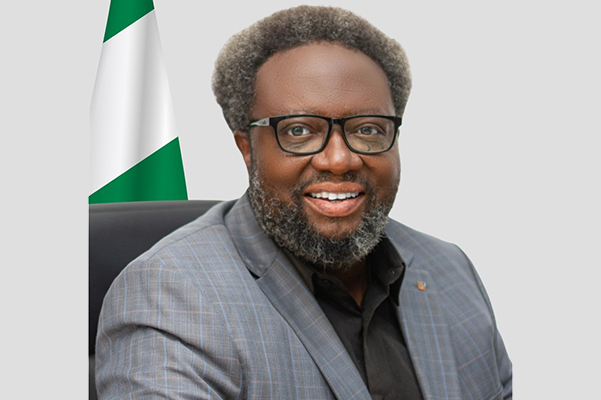
For millions of Nigerians living with chronic, degenerative conditions, the standard medical approach often involves lifelong medication to manage symptoms. However, a paradigm shift is emerging from a transformative field that aims not just to manage, but to repair. Dr. David Ikudayisi, a Nigerian-American Regenerative Medicine Expert, is urging a closer look at this promising frontier for biological healing.
In an exclusive interview, Dr. Ikudayisi, Medical Director of Glory Wellness and Regenerative Centre, described regenerative medicine as a fundamental rethinking of healthcare. “Instead of merely suppressing symptoms with pharmaceuticals, we focus on harnessing the body’s innate repair mechanisms to restore the function of damaged cells, tissues, and organs,” he explained. This represents a move from chronic disease management to potential cellular recovery.
How Does Regenerative Medicine Actually Work?
The field primarily utilizes two key biological tools from the patient’s own body:
- Mesenchymal Stem Cells (MSCs): Often harvested from bone marrow or adipose (fat) tissue, these are not the controversial embryonic stem cells. Adult MSCs act as “signaling hubs.” When introduced to a damaged area, they release a potent cocktail of growth factors and anti-inflammatory signals that modulate the immune response and stimulate local tissue repair.
- Platelet-Rich Plasma (PRP): This is a concentration of a patient’s own platelets, which are rich in growth factors crucial for healing. Injected into injured sites, PRP jumpstarts and accelerates the natural repair process of tendons, ligaments, and joints.
Current Applications and Future Horizons
Dr. Ikudayisi outlined where this science is making an impact today and where it’s headed:
Established Clinical Uses:
- Orthopedics & Sports Medicine: This is the most common application. For conditions like osteoarthritis, tendonitis (e.g., tennis elbow, Achilles tendon), and ligament injuries, regenerative injections aim to improve tissue quality, reduce inflammation, and enhance function—potentially delaying or avoiding the need for joint replacement surgery.
- Chronic Wound Care: Particularly for diabetic foot ulcers, which are a major cause of amputation in Nigeria. Regenerative therapies can improve local circulation and stimulate the growth of new, healthy tissue, offering hope where standard treatments fail.
- Aesthetic & Skin Repair: Used for scar revision, hair restoration, and skin rejuvenation.
Promising Research & Future Potential:
- Neurological Conditions: For post-stroke recovery, treatments are being studied to calm neuroinflammation and create a more conducive environment for the brain to rewire itself alongside rehabilitation. “It doesn’t replace physiotherapy,” Ikudayisi notes, “but it can help make rehabilitation more effective.”
- Cardiac and Organ Repair: Research is exploring ways to repair heart muscle after a heart attack and support organs like kidneys damaged by diabetes.
- Tissue Engineering: The future may involve growing cartilage, skin, or even complex organs in the lab using a patient’s own cells on biodegradable scaffolds, though this remains largely in development.
A Closer Look at Conditions Relevant to Nigeria
Dr. Ikudayisi highlighted specific areas where regenerative medicine could address significant national health burdens:
- Diabetes Complications: Beyond wounds, there is interest in using regenerative strategies to protect pancreatic function and mitigate damage to kidneys and nerves (neuropathy).
- Arthritis: The focus shifts from just pain relief to potentially improving the health of the worn cartilage and synovial environment within the joint.
- Sexual Dysfunction: For conditions like erectile dysfunction stemming from vascular or nerve damage, regenerative therapies aim to improve blood flow and tissue health.
A Critical Note of Caution and How to Proceed
As interest grows, so does the risk of unscrupulous clinics offering unproven “stem cell” treatments. Dr. Ikudayisi strongly advises due diligence:
- Seek Reputable Centers: Look for clinics with verifiable patient outcomes, transparent protocols, and medical directors certified in relevant specialties.
- Manage Expectations: Understand that this is often a therapy for improvement and functional enhancement, not always a magic “cure.” It works best as part of an integrated health plan.
- Research is Key: Patients should research whether their specific condition has credible clinical data supporting regenerative approaches.
Accessibility Within Nigeria
A significant part of Dr. Ikudayisi’s mission is to make these advanced therapies accessible locally. “Nigerians no longer need to travel abroad for internationally-aligned regenerative medicine standards,” he stated. His centre, with locations in Lekki, Lagos, and Abuja, brings protocols developed in the United States to Nigeria. This not only provides hope for patients but can help reduce outbound medical tourism and build local expertise in cutting-edge cellular therapies.
For those living with chronic ailments where conventional medicine offers only management, regenerative medicine presents a compelling avenue to explore. It underscores a powerful principle: sometimes, the most sophisticated healing technology is already within us, waiting to be properly guided.