Special Report – Football Analysis
By Babatunde Ogunrinde
Lagos, Dec. 28, 2025
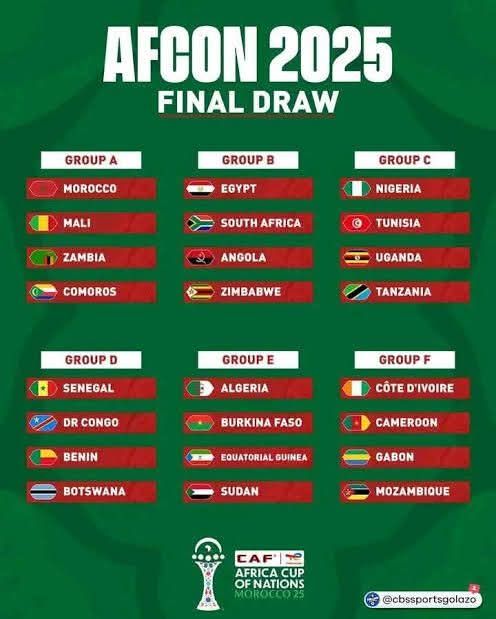
Nigeria’s Super Eagles have navigated the first crucial phase of their AFCON 2025 campaign in Morocco, securing six vital points from hard-fought victories over Tanzania (2–1) and Tunisia (3–2). The results are commendable, placing the team in a strong position to advance from the group stage. However, a deeper analysis reveals a troubling pattern: the performances, while effective, have papered over cracks that could prove fatal against the continent’s elite. As one seasoned analyst aptly warned, “Winning masks issues; it does not cure them.” For a nation still reeling from the profound disappointment of missing the 2026 World Cup, this tournament is about more than silverware—it is a necessary journey toward restoring belief, pride, and footballing credibility.
The foundation for Nigeria’s success so far has been a clear and improved tactical structure. In both matches, the Super Eagles started assertively, dominating possession, dictating the tempo, and asserting territorial authority. The build-up play from defence through midfield was notably more consistent and composed than in recent outings, effectively pinning back opponents like Tanzania for prolonged periods and limiting their attacking ambition. Goals from Semi Ajayi and Ademola Lookman were just rewards for this control. Yet, herein lies the central paradox: the scorelines have obscured a persistent and critical inefficiency in the final third.
Against Tunisia, the familiar, haunting lapses resurfaced. Periods of crisp, controlling football were punctuated by moments of glaring uncertainty in front of goal. “Game control means little without finality,” a former Super Eagles defender noted pointedly after the match. Too many promising attacks—crafted through intelligent midfield play and wing penetration—stalled at the decisive moment. Passes were hurried, shooting opportunities were delayed, and a palpable fragility of confidence seemed to grip the attackers. These squandered chances are not mere footnotes; they are invitations for disaster. Against the disciplined defences of Senegal, Morocco, or Côte d’Ivoire, such profligacy transforms sustained pressure into a punishing counter-attack and an exit from the tournament. History is unambiguous: titles are won not by possession statistics, but by clinical execution under the most intense pressure.
Beyond the technical shortcomings, subtler psychological and structural factors are at play. On the pitch, body language can be as telling as a missed pass. Visible frustration from senior players following a teammate’s error—exaggerated gestures, hands on hips, public admonishment—acts as a slow poison to team unity. “Public blame fractures the trust you need in the trenches,” one experienced coach remarked. High-performing squads protect their individuals in public, correcting mistakes in the film room and on the training ground, thereby fostering a resilient, collective spirit. Leadership in modern football is measured not just in goals and tackles, but in emotional intelligence and unshakeable composure when plans go awry.
This need for a stable environment extends far beyond the touchline. The persistent, off-field spectre of administrative chaos—reports of unpaid bonuses, delayed travel arrangements, and bureaucratic interference—cannot be dismissed as mere background noise. While these issues may not cause an immediate collapse, they insidiously undermine the focus, trust, and cohesion within the camp. Players notice. Coaches feel the distraction. It is not excuse-making to acknowledge this cause and effect; it is a stark reality of Nigerian football. When the system fails to support its people, performance inevitably suffers. Confidence erodes quietly long before the results publicly reflect the damage. In many ways, the Super Eagles’ cycle of promise and frustration mirrors the broader national experience, where structural failures delay excellence across all sectors.
The path forward is clear, starting with the final group match against Uganda. The mandate is urgent: the team must transform its commanding gameplay into ruthless, decisive finishing. Every opponent, regardless of ranking, must be met with maximum respect and professional focus. AFCON history rewards only clarity, discipline, and courage—never past reputation. The progress under this new tactical approach is visible and promising, but the standard must now rise exponentially. The wins are earned, but the most important lessons—those of clinical edge, unbreakable unity, and overcoming systemic shadows—are still pending, and the exams are about to get much harder.
(This analysis is based on reporting from the News Agency of Nigeria (NAN)).