
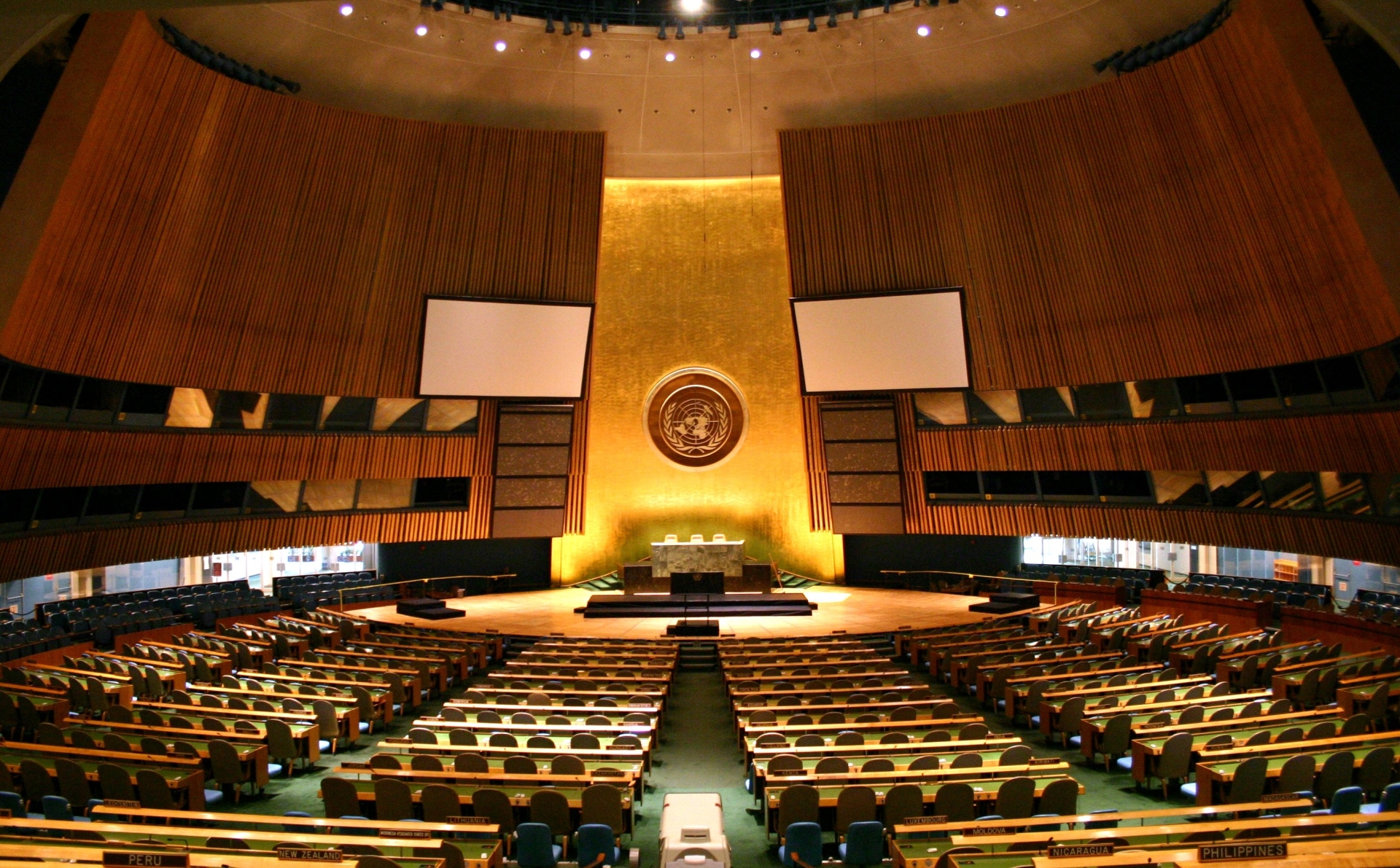
The United Nations General Assembly has formally approved a regular operating budget of $3.45 billion for the 2026 calendar year, concluding a critical and contentious financial planning cycle. This decision, reached on December 30, 2025, authorizes $3,450,426,300 to fund the world body’s core administrative and programmatic work, setting the stage for a year of significant operational transformation.
The approval followed weeks of intensive negotiations within the General Assembly’s Fifth Committee, the main body responsible for administrative and budgetary matters. This process was uniquely compressed and complex, driven by the parallel UN80 reform initiative—one of the most ambitious overhauls of the Organization’s structure and efficiency in decades.
What the Regular Budget Funds (And What It Doesn’t)
It is crucial to distinguish the UN’s regular budget from its much larger peacekeeping budget. The regular budget, which follows the calendar year, finances the essential infrastructure of the UN’s three core pillars:
- Peace and Security: Diplomatic missions, political affairs, disarmament, and the International Court of Justice.
- Sustainable Development: Programs led by the UN Development Programme (UNDP), environmental initiatives, and economic research.
- Human Rights: The Office of the High Commissioner for Human Rights (OHCHR) and related monitoring bodies.
In contrast, the separate peacekeeping budget, which runs from July to June, funds specific field operations and is typically several times larger. For context, the peacekeeping budget for 2024-2025 was approximately $6.8 billion.
A Budget of Cuts and Reform
The 2026 budget is not merely a financial document; it is a direct manifestation of the UN80 reform agenda. It largely reflects Secretary-General António Guterres’s proposal for a 15% reduction in financial resources and a nearly 19% cut in staffing.
UN Controller Chandramouli Ramanathan underscored the monumental effort behind the numbers, noting the Secretariat had to assemble the entire budget in under six weeks, producing “hundreds of tables and responding to thousands of questions.” He warned that adoption “marked the beginning, not the end of a demanding implementation phase.”
The human impact of these cuts is stark. As of January 1, 2026, 2,900 positions will be abolished, with over 1,000 staff separations already finalized. This represents a profound organizational downsizing, requiring careful management to ensure departing staff receive their due salaries and entitlements during the transition.
Context and Implications: Why This Budget Matters
This budget approval signals a pivotal moment for the UN:
- Efficiency Drive: The significant cuts are a direct response to long-standing calls from member states, particularly major funders, for a leaner and more cost-effective organization. The success of this downsizing will be a key test of the UN80 reforms.
- Operational Risk: Such deep staffing reductions raise legitimate concerns about the UN’s capacity to deliver on its mandates. The challenge will be to “do more with less” without compromising essential services in conflict zones, development programs, and human rights advocacy.
- Financial Health: Controller Ramanathan welcomed a “record level of potential advance payments” for 2026 but reiterated the perennial appeal for all member states to pay their assessed contributions promptly and in full. Chronic arrears from some large contributors have historically pushed the UN into liquidity crises, threatening its ability to implement even a reduced budget.
In essence, the $3.45 billion budget for 2026 is more than a line item—it is a blueprint for a reformed United Nations. Its implementation will determine whether the Organization can maintain its global role while becoming more agile and financially sustainable, a balancing act that will be closely watched by the international community in the year ahead.
Edited by Vivian Ihechu. Source: NAN News.


