By Aisha Cole | Lagos, Jan. 9, 2026
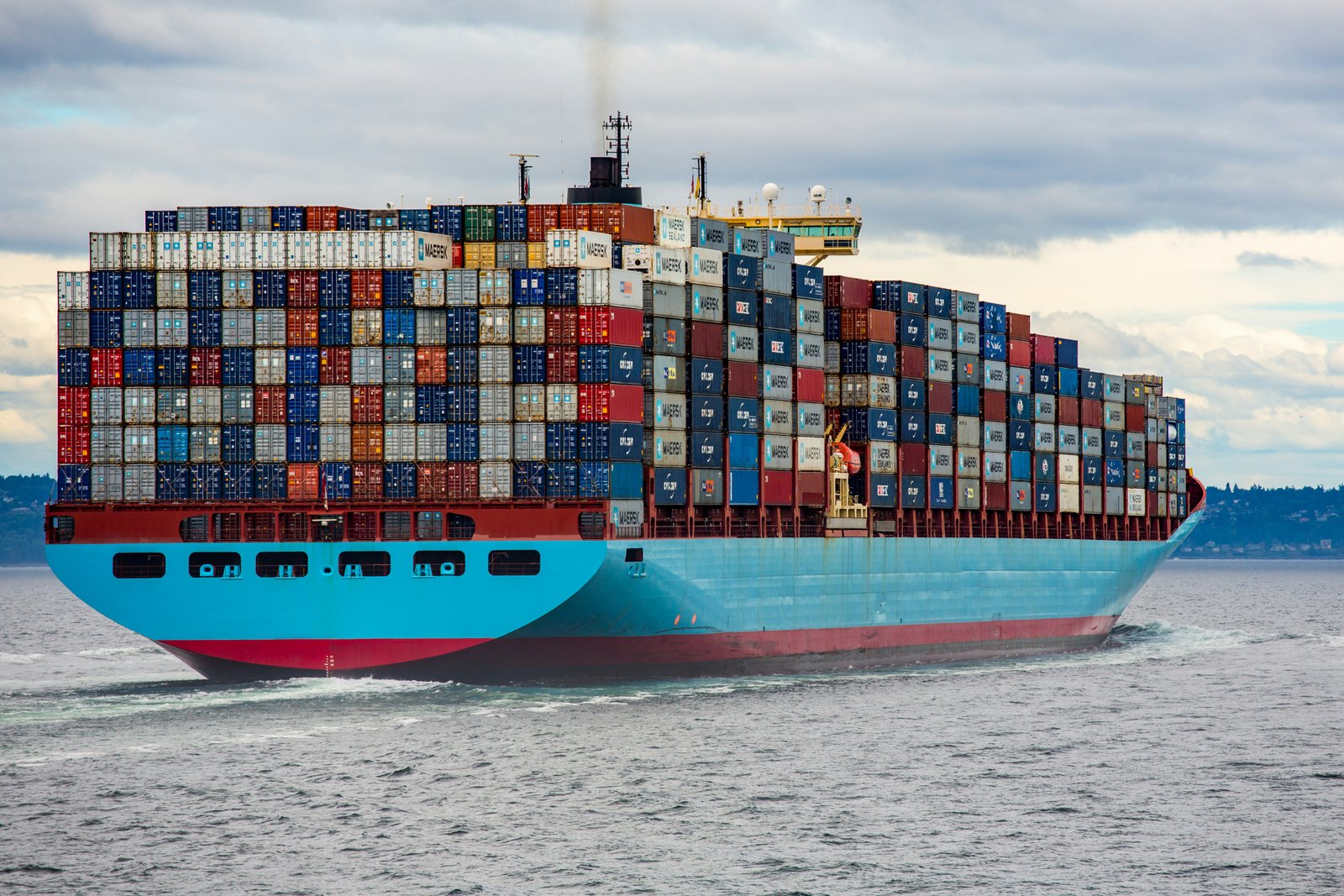
A significant concentration of maritime activity is underway in Nigeria’s commercial capital, with the Nigerian Ports Authority (NPA) reporting that 24 ships are currently discharging vital commodities across the Apapa, Tin-Can Island, and Lekki Deep Sea ports in Lagos. This snapshot provides a revealing look into the real-time flow of goods that power the nation’s economy.
What’s Being Unloaded: A Breakdown of Critical Imports
The NPA specified that the discharging vessels are handling a diverse range of essential products. This list is more than just cargo; it’s a direct indicator of national demand and supply chain priorities:
- Energy & Fuel: Petrol (Premium Motor Spirit), diesel (Automotive Gas Oil), bulk gas (Likely Liquefied Petroleum Gas – LPG), and crude oil.
- Food & Agriculture: Bulk wheat (a staple for flour), bulk sugar, and palmolien (palm oil).
- Industrial & Raw Materials: Bulk urea (a key fertilizer component), bulk salt, general cargo, and containers (which hold a vast array of manufactured goods).
The presence of crude oil is particularly noteworthy, as it may indicate either export activities or discharge for domestic refining, offering a clue into the operational state of the country’s downstream petroleum sector.
The Bigger Picture: Inbound Ships and Port Capacity
This current discharge operation is just one part of a larger logistical wave. The NPA further reported that 42 additional ships, laden with similar critical goods, are expected to arrive at the Lagos ports between Friday, January 9th, and January 21st, 2026. Their anticipated cargo includes fresh fish, raw oil, bulk wheat, and more containers and general cargo.
Furthermore, 14 ships have already arrived and are waiting to berth, carrying items like bulk fertilizer, fresh fish, and wall pallets. This “waiting to berth” status highlights the ongoing pressure on port infrastructure and the critical importance of efficient turnaround times (the speed at which a ship is unloaded and leaves port) to prevent costly congestion and delays in the supply chain.
Why This Daily Report Matters Beyond the Headline
While this appears as a simple logistics update, such NPA reports serve as crucial, real-time economic indicators:
- Food Security Gauge: The volumes of wheat, sugar, and fish directly relate to national food stock levels and pricing trends.
- Energy Supply Insight: Consistent discharge of petrol and diesel is vital for monitoring fuel availability and potential scarcity.
- Agricultural Cycle Signal: The import of bulk urea and fertilizer coincides with farming seasons, indicating preparation for crop production.
- Port Performance Metric: The ratio of discharging ships to those waiting to berth offers a snapshot of port efficiency and potential bottlenecks.
The concentration of this activity in Lagos underscores the port complex’s dominant role as Nigeria’s primary maritime gateway, handling an estimated 70-80% of the nation’s seaborne trade. The inclusion of the newer Lekki Deep Sea Port in the report also points to the gradual diversification of port capacity in the region.
Source: News Agency of Nigeria (NAN) | Edited by Sandra Umeh
For the original report, visit: NAN News