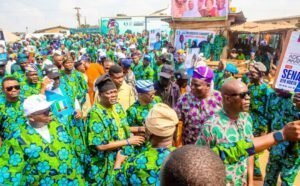
As Nigeria’s political landscape begins to shift focus toward the 2027 general elections, a prominent voice within the ruling All Progressives Congress (APC) has issued a clarion call for internal cohesion, framing unity not merely as an ideal but as a non-negotiable electoral strategy.
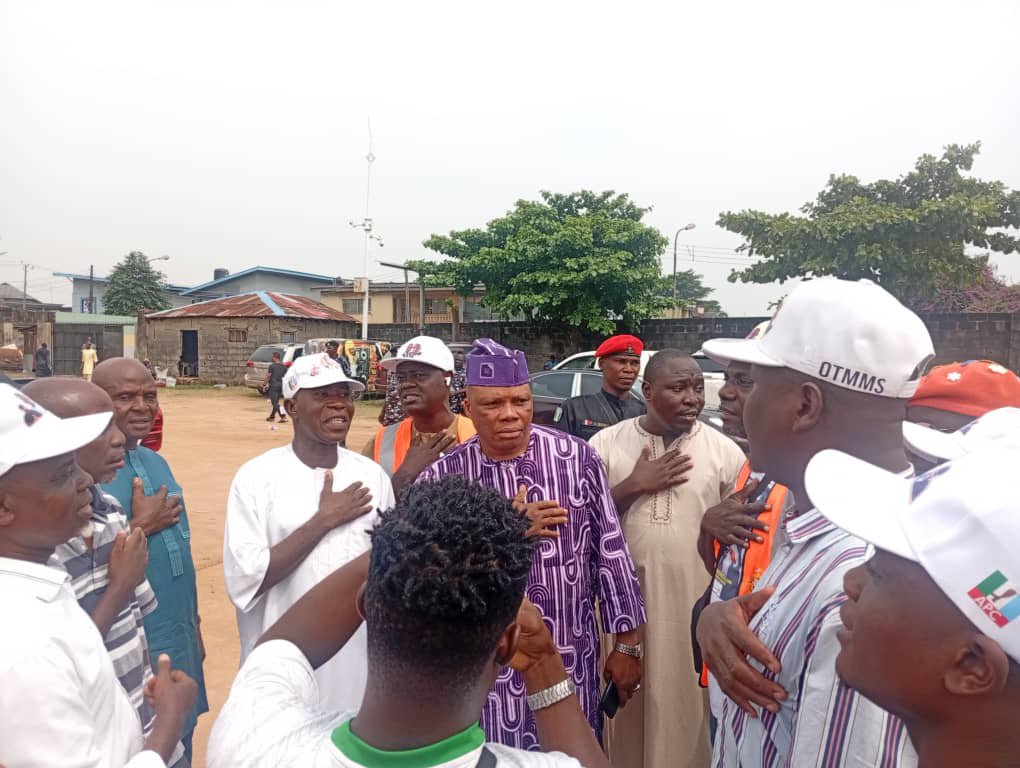
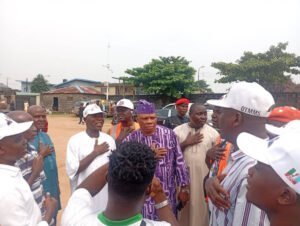
In a significant address that blends political pragmatism with grassroots mobilization, Mr. Stephen Ogundipe, a first-term Lagos State lawmaker and Chairman of the House Committee on Information, has urged party leaders and members to prioritize peace, love, and unity above all else. His message, delivered at a well-attended community event in Oshodi, Lagos, underscores the critical lessons the APC must learn from its recent electoral history to secure a second term for President Bola Ahmed Tinubu.
The Context: A Post-2023 Reckoning
Ogundipe’s call for unity is rooted in a candid admission of past shortcomings. He revealed that the party’s leadership, specifically referencing President Tinubu as “our leader and mentor,” was “not happy with the results we turned out in Lagos” during the 2023 elections. This frank acknowledgment highlights a critical vulnerability: even in its traditional stronghold, internal discord or complacency can erode electoral performance. The 2027 campaign, therefore, is framed not just as a forward-looking mission but as a corrective endeavor. The “best way to make him happy this time is to deliver,” Ogundipe stated, directly linking internal harmony to tangible electoral outcomes.
The Venue and Method: Grassroots Politics in Action
The setting for this message was as strategic as its content. The “Annual Community Development Initiative,” organized by Alhaji Musiliu Akinsanya (widely known as MC Oluomo), President of the National Union of Road Transport Workers (NURTW), represents the fusion of formal party politics and influential grassroots mobilization. The distribution of over 2,500 bags of foodstuffs and cash aid is a classic example of “stomach infrastructure”—a potent political tool in Nigeria that builds goodwill and reinforces voter loyalty at the community level.
This event served a dual purpose: providing immediate humanitarian support while simultaneously functioning as a political rally. Ogundipe praised the initiative for “supporting the transformative Renewed Hope agenda of the president,” thereby explicitly connecting grassroots charity to national policy objectives and party loyalty.
The Deeper Strategic Imperative
Ogundipe’s argument extends beyond simple platitudes. He posits that “cohesion within the APC remains the most effective means of confronting political challenges ahead.” This suggests an anticipation of formidable opposition and internal hurdles. For a party that is a broad coalition of sometimes competing interests—from legacy politicians to former governors, technocrats, and grassroots champions like the NURTW—maintaining unity is a constant challenge. Disunity can lead to parallel campaigns, sabotage, and voter apathy, which are lethal in a competitive democracy.
His appeal for “all hands to be on the deck” is a call for an integrated, disciplined campaign machinery where every segment of the party works in concert. This is particularly crucial for voter registration drives, turnout operations, and defending the party’s record against opposition criticism.
Endorsements and Broader Party Alignment
The event also showcased the alignment of key power blocs. MC Oluomo, a figure with immense influence over the critical transportation sector and its vast voter base, used the platform to reaffirm his dedication to community service and, importantly, to urge supporters to “actively participate in the ongoing nationwide APC registration exercise.” His statement that “peace is the only way to progress” echoes Ogundipe’s unity theme, indicating a coordinated message from the party’s legislative and grassroots wings.
The presence of dignitaries like the National Publicity Secretary of “Team Nigeria” and members of the “Ambassadors for President Bola Ahmed Tinubu’s second term” signals the early activation of specialized support groups aimed at shaping public perception and rallying the base.
Conclusion: The Long Road to 2027
This early mobilization effort, nearly two years before the election, reveals the APC’s understanding that the 2027 campaign has already begun. The challenges of governing—managing economic reforms, security concerns, and public expectations—will inevitably create friction. Ogundipe’s speech is a preemptive strike against the internal fragmentation that often plagues ruling parties mid-term. By framing unity as the singular path to delivering Lagos overwhelmingly and securing Tinubu’s re-election, he is attempting to bind the party’s fate to a collective project, where personal ambitions and factional disputes must be subsumed for the ultimate prize: retaining power at the center.
The message from Oshodi is clear: for the APC, the journey to 2027 must be paved with deliberate unity, strategic grassroots engagement, and lessons diligently learned from the past. The success of this internal project may well define the party’s electoral fortunes.
Reported by Adekunle Williams for the News Agency of Nigeria (NAN). Edited by Chinyere Nwachukwu/Buhari Bolaji.