In a significant move for educational planning and development, the Kano State Bureau of Statistics (KSBS) has announced a comprehensive, ten-day census targeting all tertiary institutions within the state. Scheduled from January 14 to 23, 2026, this initiative represents one of the most extensive data-gathering efforts in the sector’s recent history and signals a strategic shift towards evidence-based governance.
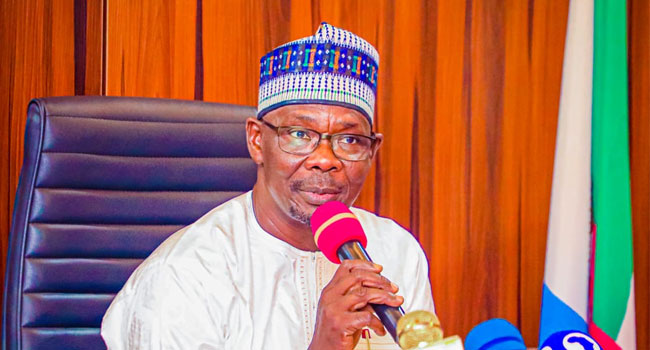
Dr. Suraj Sulaiman, the State’s Statistician-General, framed the exercise as a foundational step for the future. “The cooperation of all tertiary institutions is critical to shaping the future of education in Kano State,” he stated. “The data gathered will play a key role in evidence-based decision-making.” This move transcends mere headcounting; it is a diagnostic mission to understand the very anatomy of Kano’s higher education system.
Beyond Numbers: The Multifaceted Data Being Collected
The census aims to paint a detailed portrait of the tertiary landscape. Data points will include:
- Institutional Framework: The number, types (universities, polytechnics, colleges of education, etc.), and operational status of institutions.
- Human Capital: Detailed student enrollment figures disaggregated by programme, gender, and year of study, alongside comprehensive data on staffing levels, qualifications, and specializations.
- Physical & Academic Infrastructure: A thorough audit of available infrastructure, including classrooms, laboratories, libraries, ICT facilities, and hostels. The census will also catalogue the range of academic programmes offered, highlighting areas of strength and potential gaps.
The Critical ‘Why’: From Data to Actionable Insight
The true value of this census lies in its application. Accurate data is the bedrock of effective policy, and this exercise is designed to address several critical challenges:
- Precision in Resource Allocation: Currently, resource distribution—from teaching staff to laboratory equipment and grant funding—can be inefficient. With precise data, the state government can target investments where they are most needed, ensuring a polytechnic in need of engineering tools or a college lacking science lecturers receives appropriate support.
- Bridging the Skills Gap: By mapping academic programmes against student enrollment and graduate output, planners can identify misalignments with the labor market. For instance, if data reveals a surplus of graduates in one field and a shortage in another (e.g., agriculture or renewable energy), curricula and institutional mandates can be strategically adjusted.
- Informing Infrastructure Development: The infrastructure audit will reveal stark realities: which institutions have overcrowded lecture halls, which lack functional libraries, and where digital divides are most pronounced. This allows for a phased, evidence-based capital development plan rather than ad-hoc projects.
- Enhancing Accountability and Planning: The census establishes a verified baseline. Future performance—in student completion rates, research output, or graduate employment—can be measured against this baseline, fostering greater accountability and enabling long-term, strategic planning for the entire sector.
Success Hinges on Collaboration and Integrity
Dr. Sulaiman emphasized that the success of this ambitious undertaking “depended largely on the willingness of institutions to provide timely and accurate information.” Trained enumerators and supervisors will be deployed, but institutional leadership must champion the process internally. The fear of exposing weaknesses must be overcome by the understanding that accurate data is the first and most crucial step toward securing the resources needed for improvement.
This census is more than an administrative task; it is a declaration that Kano State is serious about building a tertiary education system that is responsive, equitable, and capable of driving the state’s socio-economic development. The data collected from January 14-23 will not just sit in a report—it is destined to become the compass guiding Kano’s educational policy for the next decade.
Edited by Bashir Rabe Mani. Source: NAN News.