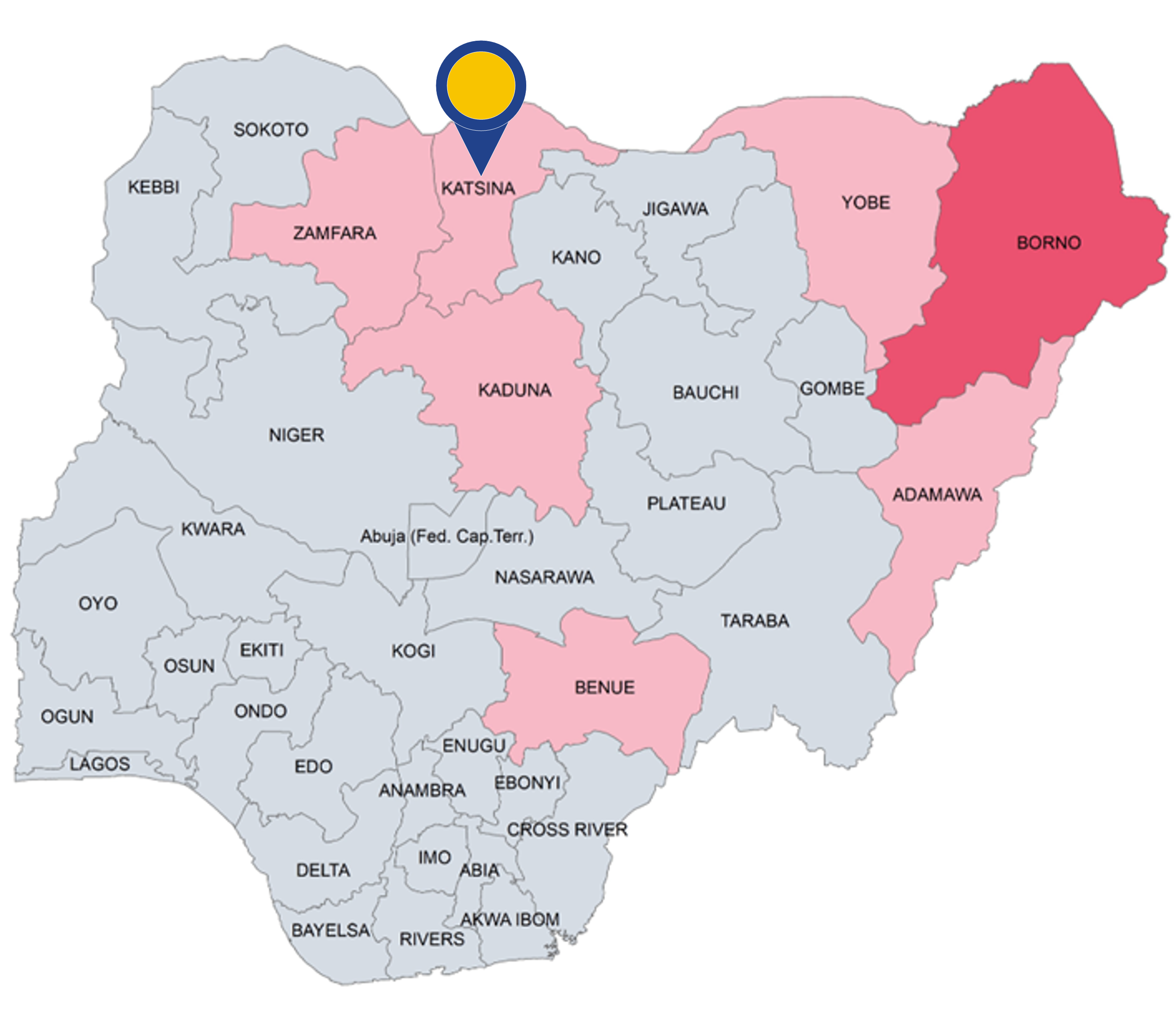
In a landmark move for educational reform in Northern Nigeria, the Katsina State Bureau of Statistics, in partnership with the United Nations Children’s Fund (UNICEF), has officially launched a comprehensive statewide census of Almajiri and Islamiyya schools. This initiative marks a critical shift from anecdotal discussions to evidence-based planning, aiming to integrate traditional Qur’anic education into a modern framework of child welfare and development.
The exercise, inaugurated on Saturday in Katsina, involves the training and deployment of 200 enumerators. Their mission is to collect granular data across all 34 Local Government Areas, covering metrics such as school enrolment, teacher qualifications, infrastructure conditions, and the socio-economic circumstances of the pupils.
Governor Dikko Umaru Radda described the census as a “crucial intervention for social justice and inclusive development.” Represented by his adviser, Dr. Tasi’u Dandagoro, the governor contextualized the move within Katsina’s deep Islamic heritage—a history symbolized by the iconic Gobarau Minaret and a legacy of scholarship known as *Makarantar Allo*. He acknowledged that many of the state’s leaders and technocrats emerged from this system, which has long been revered for instilling moral discipline and religious knowledge.
However, Governor Radda presented a clear-eyed analysis of the present challenges. “Rapid social change and modernization have strained the traditional community support structures that once sustained the Almajiri system,” he noted. This has led to well-documented vulnerabilities, including child begging, inadequate shelter, and exclusion from formal education and healthcare. The census, therefore, is not an indictment of the tradition but a strategic tool to preserve its core values while addressing contemporary gaps. “This data will guide targeted, respectful, and sustainable reforms,” he affirmed.
The Commissioner responsible, Malik Anas, emphasized the census’s role in child protection and inclusive policy-making. “Reliable data is the bedrock of effective governance,” he stated. “With accurate information, we can move from blanket approaches to targeted interventions that truly empower learners, support teachers, and engage communities.”
Professor Saifullahi Sani, the State Statistician-General, outlined the technical scope of the project. The resulting database will be a living resource for planning, aiming to “strengthen the quality of Qur’anic education and ensure no child in Katsina is left behind.” This could inform future policies on curriculum integration, teacher training, infrastructure upgrades, and social services linkage.
Deeper Context & Significance: This census represents a pivotal moment in Nigeria’s long-running discourse on Almajiri education. Past federal initiatives to “integrate” the system have often faltered due to community mistrust, lack of data, and a perceived top-down approach. By partnering with UNICEF and leading with data collection, Katsina State is adopting a more collaborative, evidence-based model. The success of this census could provide a replicable blueprint for other northern states, turning a national challenge into an opportunity for context-sensitive, culturally respectful reform that honors religious tradition while upholding the rights and potential of every child.
(Based on a NAN report by Abbas Bamalli, edited by Modupe Adeloye/Abiemwense Moru)