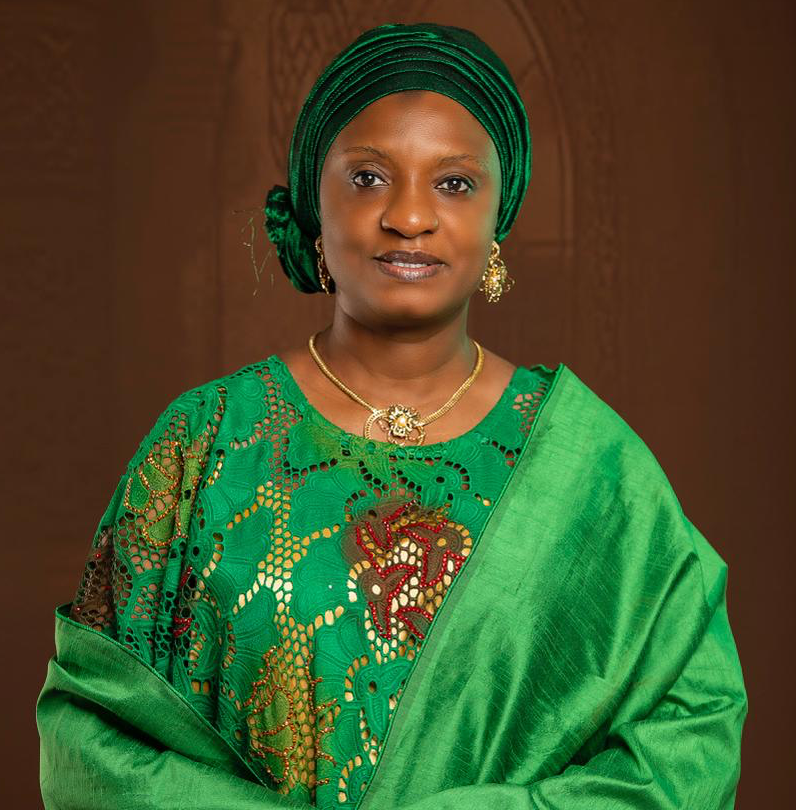
In an era marked by rapid social change and digital saturation, the deliberate cultivation of core values in young people is not merely a nostalgic ideal but a critical societal imperative. Dr. Ahmad Umar, a Gender-Based Violence (GBV) and HIV Management Specialist, has issued a compelling call to action, emphasizing that mentorship and proactive parental guidance are the most powerful tools available to instill discipline, moral integrity, and responsible behaviour in the youth.
Dr. Umar’s insights, shared in an interview in Bauchi, move beyond surface-level concern to diagnose a systemic erosion. He identifies a dangerous triad weakening the moral fabric of young Nigerians: the fragmentation of family structures, which reduces consistent oversight; a deficit of positive role models in both public and private spheres; and the omnipresent, often negative, influence of social media and peer networks. While government policies on education and youth development provide a necessary framework, Dr. Umar stresses that the primary incubator for character remains the family and immediate community. These are the first-line institutions where empathy, respect, and resilience are either nurtured or neglected.
The consequences of this value erosion are not abstract. Drawing from his frontline work in GBV and HIV prevention, Dr. Umar draws a direct line between a lack of guidance and tangible risks. “Without structured mentorship,” he explains, “young people are left to navigate a complex world with an underdeveloped moral compass. This vulnerability significantly increases exposure to violence, substance abuse, and health-related challenges.” Proactive engagement, therefore, acts as a protective shield, equipping youth with the critical thinking and emotional intelligence needed to make informed, healthy decisions.
To illustrate the transformative power of values-driven mentorship, Dr. Umar points to a historical precedent: the youth movements of Nigeria’s pre-independence struggle. He highlights figures like Sa’adu Zungur of Bauchi, whose intellectual rigor and activism were rooted in a profound sense of purpose and communal responsibility. “Those young leaders,” Umar notes, “were products of a culture that prized discipline, intellectual depth, and sacrificial service. Their guidance came from elders and a clear societal ethos, enabling them to channel their energy into nation-building.” This historical lens reframes the issue from one of disciplining problematic youth to one of empowering a generation with a legacy of purposeful contribution.
The path forward requires a multi-pronged, collaborative strategy. Dr. Umar outlines actionable steps for key stakeholders:
- For Parents & Guardians: It demands deliberate, quality time—moving beyond providing basic needs to engaging in conversations about ethics, navigating peer pressure, and modeling conflict resolution.
- For Community Leaders & Teachers: They must move from being mere transmitters of information to becoming intentional coaches who identify potential and correct behavioural missteps with wisdom.
- For Institutions (Government, CSOs, Religious Bodies): The call is for structured, scalable mentorship programmes. These could pair professionals with students, create safe community spaces for dialogue, and integrate value-based learning into extracurricular activities.
Ultimately, Dr. Umar’s message is one of cautious optimism. The challenge is significant, but the solution lies in a return to foundational principles of collective responsibility. By investing in sustained, thoughtful mentorship and reinvigorating parental involvement, Nigerian society can reposition its youth. The goal is not to control them, but to equip them to become the architects of their own futures and, consequently, agents of positive change and sustainable national development. The time for intentional rebuilding is now.