
As the vibrant spectacle of Carnival Calabar unfolds, a profound and strategic conversation is taking place behind the sequins and choreography. Band leaders and handlers, the architects of the parade, are pointing to a single, critical investment for the festival’s long-term survival: the systematic grooming of children as the next generation of cultural custodians.
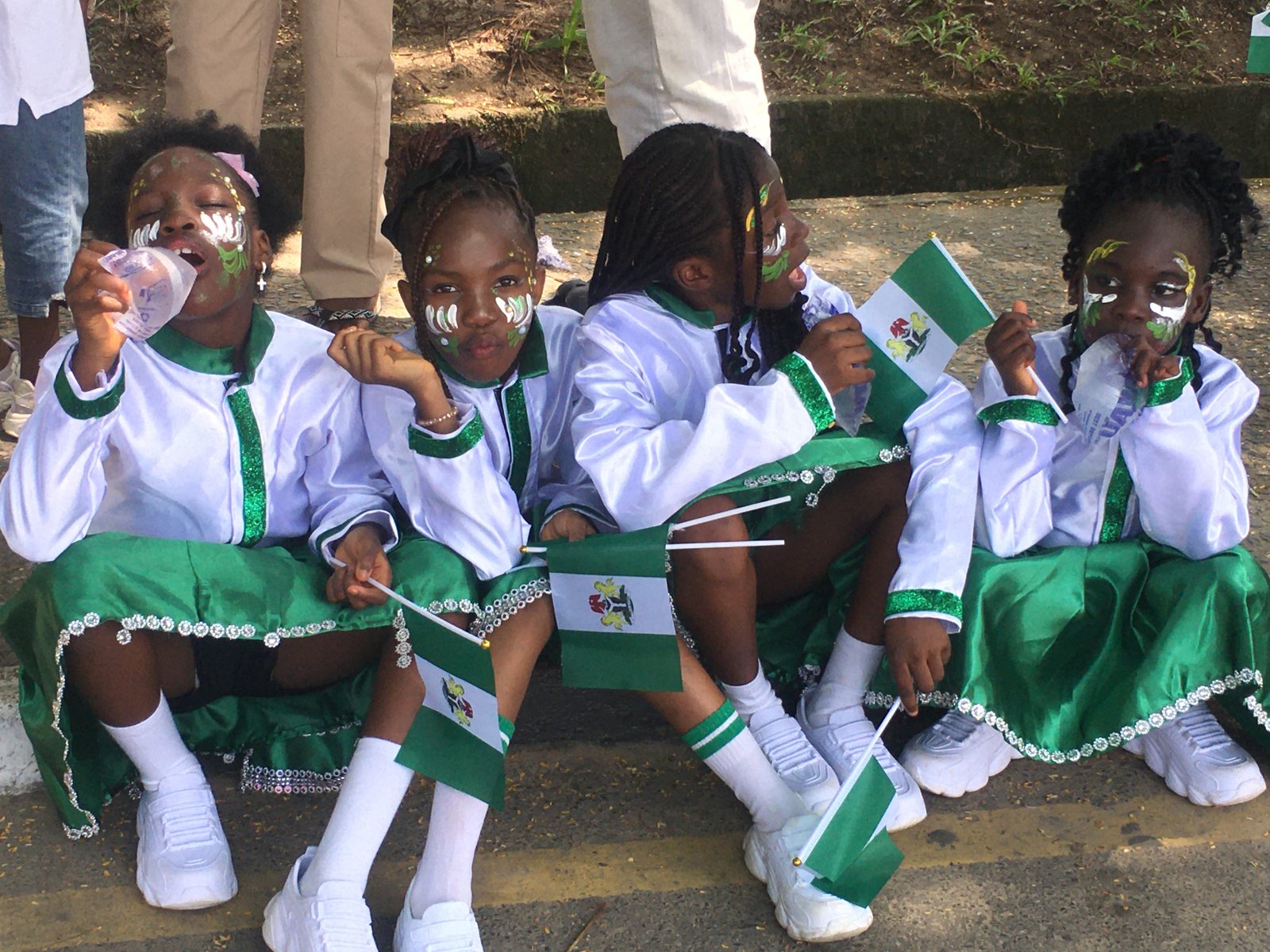
Children as Cultural Capital
By Joan Odafe
Calabar, Dec. 28, 2025 (NAN) – The survival of Africa’s largest street party, the Carnival Calabar, hinges not just on annual funding or tourist numbers, but on a deliberate intergenerational transfer of knowledge. Band leaders at the ongoing 20th edition assert that the festival’s future is being secured today on the parade routes of the Junior Carnival, where children are transformed into cultural torchbearers.
In exclusive interviews with the News Agency of Nigeria (NAN) during the Junior Carnival in Calabar, handlers framed this initiative not as a side event, but as the essential lifeline for a living tradition. The Junior Carnival, featuring seven competing bands including Calas Vegas, Freedom, Bayside, and Passion 4, is far more than a cute spectacle; it is a rigorous training ground and a strategic continuity plan.
This year’s theme, ‘Traces of Time,’ provided a rich canvas. The children’s costumes, presentations, and choreography became a dynamic history lesson, reflecting colonial eras, Nigeria’s struggle for independence, and its democratic journey—making culture the vehicle for education.
The Philosophy of “Catching Them Young”
Prince Gershon, Chief Marshal of the Calas Vegas Band and Special Adviser to the Governor on Intelligence, explained the foundational philosophy. The Junior Carnival, he noted, was intentionally re-modelled by Governor Bassey Otu and his wife, Mrs. Eyoanwan Otu, as a structural solution to cultural erosion.
“The aim is to build the minds and the physical strength of the children for eventual leadership of the festival,” Gershon stated. “This practice of ‘catching them young’ allows us to identify innate talents—future choreographers, costume designers, band marshals, and composers. If only our generation performs, the carnival dies with us. This is how we build institutional memory.”
He highlighted an often-overlooked benefit: character formation. “We are not merely teaching dance steps. We are instilling discipline, respect, teamwork, and communal love. Parents report positive changes in behaviour, showing the carnival’s role in holistic development.”
Logistics, Safety, and Long-Term Incentives
Addressing practical concerns, Gershon detailed the months of “rigorous planning” that precede the event. To ensure safety and stamina, children undergo regular “dry runs” along the carnival route, allowing handlers to assess and build endurance. A full medical suite—including stand-by doctors, nurses, and ambulances—is deployed for the event.
Perhaps most significantly, the program is linked to tangible life opportunities. Mrs. Otu has bolstered the Junior Carnival with incentives like scholarships, directly connecting cultural participation to academic advancement and creating a powerful value proposition for families.
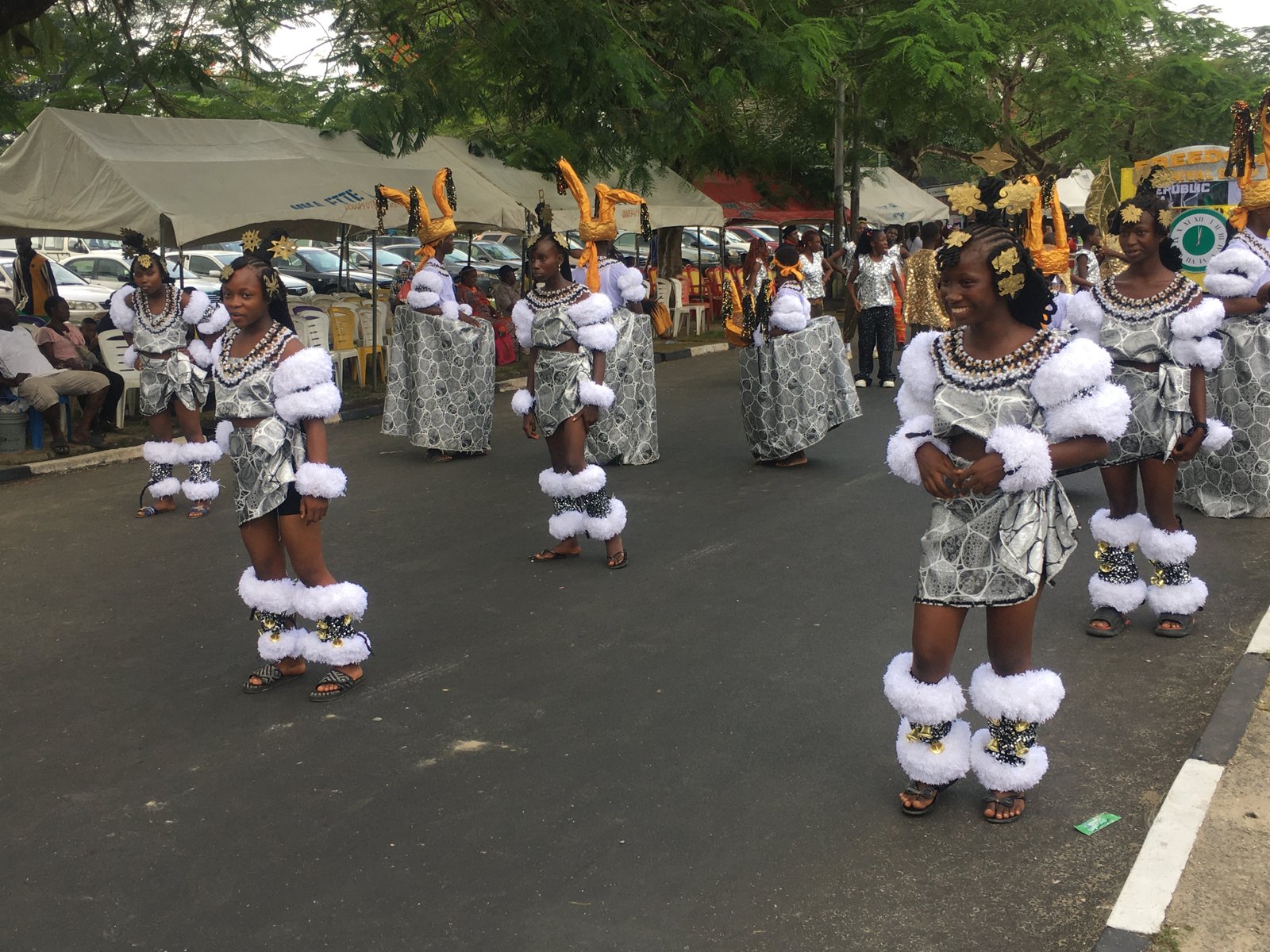
Deepening the Narrative: More Than Performance
Favour Bassey, a handler with the Freedom Band, revealed the intentionality behind the children’s performances. Every colour and sequence is a narrative device. “Our presentation is deliberately designed to align with the official theme. We take the audience on a journey—the green, white, green of our costumes symbolises independence and democracy. We are teaching history through embodiment.”
This underscores a key point: the children are not just repeating routines; they are learning to be storytellers and cultural interpreters.
The Immense Investment Behind the Magic
Sonny Bright of the Calas Vegas Band pulled back the curtain on the “hard work” invisible to the audience. “Preparation is a marathon. We spend entire days in back-to-back rehearsals—music selection, choreographic precision, song practice. It’s a three-month process of costume creation, dry runs, and relentless drilling.” Funding, he noted, comes from a partnership between dedicated band leadership and government support, highlighting the communal investment in this cultural project.
The Day’s Journey: From Parade to Party
NAN reports that the children’s parade commenced at Mary Slessor Avenue, culminating in a final march-past at the U.J. Esuene Stadium. The experience extended beyond performance, as the governor’s wife hosted them at a special Carnival Christmas Party at the stadium—a reward that fosters joy and belonging, cementing their positive association with the culture.
In conclusion, the message from the band handlers is clear: sustaining Carnival Calabar requires moving beyond spectacle management to successor cultivation. The Junior Carnival is a masterclass in cultural sustainability—a fusion of education, character building, historical narrative, and strategic planning. It ensures that the ‘Traces of Time’ are not just remembered but are actively carried forward by capable, inspired, and trained young hands. (NAN) (www.nannews.ng)
JOJO/FAA
==========
Edited by Folasade Adeniran