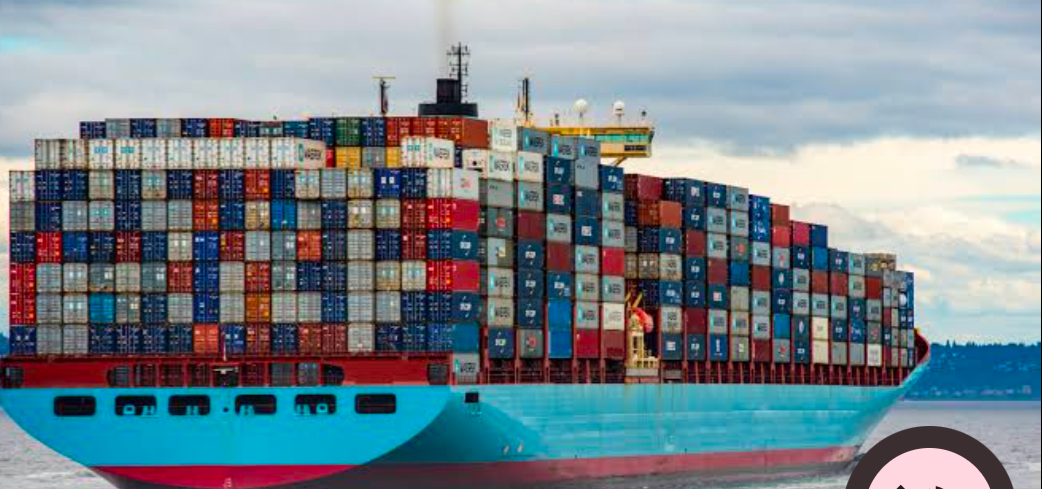
Lagos, Nigeria – A significant wave of maritime traffic is set to bolster Nigeria’s supply chains, with 41 vessels carrying essential commodities scheduled to dock at Lagos ports over a four-day period. This influx, reported by the Nigerian Ports Authority (NPA), signals a critical movement of goods into the nation’s economic hub.
By Aisha Cole
January 2, 2025
According to the NPA’s official `Shipping Position’ data, these ships are expected to arrive at the Apapa, Tin-Can Island, and Lekki Deep Sea Ports between January 2 and January 5, 2025. The cargo manifest reveals a direct focus on two of Nigeria’s most sensitive sectors: energy and food security.
Decoding the Cargo: More Than Just Numbers
The list of incoming goods provides a snapshot of national priorities and industrial demand:
- Energy & Fuels: Condensate, crude oil, aviation fuel, diesel (Automotive Gas Oil, or AGO), and petrol (Premium Motor Spirit, or PMS). The arrival of refined products like petrol and diesel is particularly crucial, as it helps maintain national reserve stocks and can alleviate local supply pressures.
- Food & Agriculture: Bulk soya beans (a key ingredient for animal feed and oil), fresh fish, bulk sugar, and crude palm olein. These items are vital for both domestic consumption and the manufacturing sector.
- Industrial & Raw Materials: Bulk salt, bulk bitumen (essential for road construction and maintenance), bulk urea (a primary fertilizer), and wall pallets (construction material).
- General Manufactures: General cargo and containerized goods, which typically include a wide variety of finished products, machinery, and raw materials for industries.
Context and Implications: Why This Shipment Wave Matters
Such a concentrated arrival is not merely a logistical event; it has broader economic implications:
- Supply Chain Stabilization: Following festive period demand and potential logistical slowdowns, this wave helps restock depots and markets, ensuring continuity for businesses and consumers.
- Port Capacity and Efficiency: The management of this influx—including the 10 ships already at anchor waiting to berth—serves as a real-time test for the NPA’s much-discussed port modernization and efficiency drives. Smooth discharge can prevent costly demurrage fees and reduce the final cost of goods.
- Forex and Trade Dynamics: Each of these vessels represents a significant foreign exchange transaction. Their arrival is tied to successful trade financing, highlighting the flow of goods in exchange for vital dollar liquidity.
- Indicator of Economic Activity: The volume and variety of imports can be a leading indicator of manufacturing, construction, and agricultural activity in the coming weeks, as these raw materials feed into production cycles.
The Bigger Picture: Lagos as a Maritime Gateway
This report underscores Lagos’s undisputed role as Nigeria’s primary maritime gateway, handling a dominant percentage of the nation’s seaborne trade. The inclusion of the newer Lekki Deep Sea Port in the list highlights the gradual shift towards accommodating larger vessels and decongesting the traditional Apapa and Tin-Can ports. Efficiently handling this volume is critical for national economic health, as delays at the ports create ripple effects that increase costs and inflation across the entire country.
In summary, the expected arrival of these 41 ships is a tangible pulse point for the Nigerian economy. It reflects ongoing import demands, tests logistical infrastructure, and brings in the commodities that keep the nation’s engines—both literal and figurative—running. Stakeholders from the shipping lines and clearing agents to end-market consumers will be watching closely as these vessels dock and discharge their critical cargo.
Source: Nigerian Ports Authority (NPA) Shipping Position data, provided to the News Agency of Nigeria (NAN).
Edited by Oluwafunke Ishola