By Uche Bibilari
Gwagwalada (FCT), Dec. 18, 2025 – A stark disparity in cancer survival rates between Nigeria and the developed world underscores a critical healthcare crisis. Prof. Bob Ukonu, the Acting Chief Medical Director of the University of Abuja Teaching Hospital (UATH), has forcefully reiterated the urgent need to bridge this devastating gap.
Speaking at the unveiling of the “Mural of Hope”—an artistic intervention in the hospital’s pediatric cancer ward—Prof. Ukonu, represented by Prof. Joseph Obande, laid bare the statistics: while 80% of childhood cancers are curable in developed nations, Nigeria’s cure rate languishes at a mere 20%.
“This is not just a gap; it is a chasm of inequity,” he stated, framing the issue as one of both medical capacity and systemic failure. The event, organized by a coalition of foundations including BIO Ventures for Global Health (BVGH), Medicaid Cancer Foundation (MCF), Nigeria Solidarity Support Fund (NSSF), and Burkitt’s Lymphoma Fund for Africa (BLFA), aimed to address one of the most heartbreaking symptoms of this gap: treatment abandonment.
The Abandonment Crisis: A Symptom of a Broken System
Prof. Ukonu revealed a shocking figure: nearly 60% of pediatric cancer patients at UATH discontinue their treatment. “When six out of ten children abandon their fight, it signals a collapse not of their will, but of the support system around them,” he explained.
This abandonment is rarely a simple choice. It is a complex, tragic outcome driven by:
- Financial Toxicity: The catastrophic cost of treatment, travel, and accommodation, often borne entirely by families, forces impossible decisions between financial ruin and a child’s life.
- Psychosocial Burden: Overwhelming fear, anxiety, and a profound loss of hope in both patients and caregivers.
- Logistical Nightmares: For families from remote “interior villages,” as noted by Dr. Uduak Offiong, Consultant Pediatric Oncologist, the journey to a specialized center is itself a monumental barrier, often leading to late-stage presentation where only palliative care is possible.
More Than Paint: The “Mural of Hope” as Integrated Care
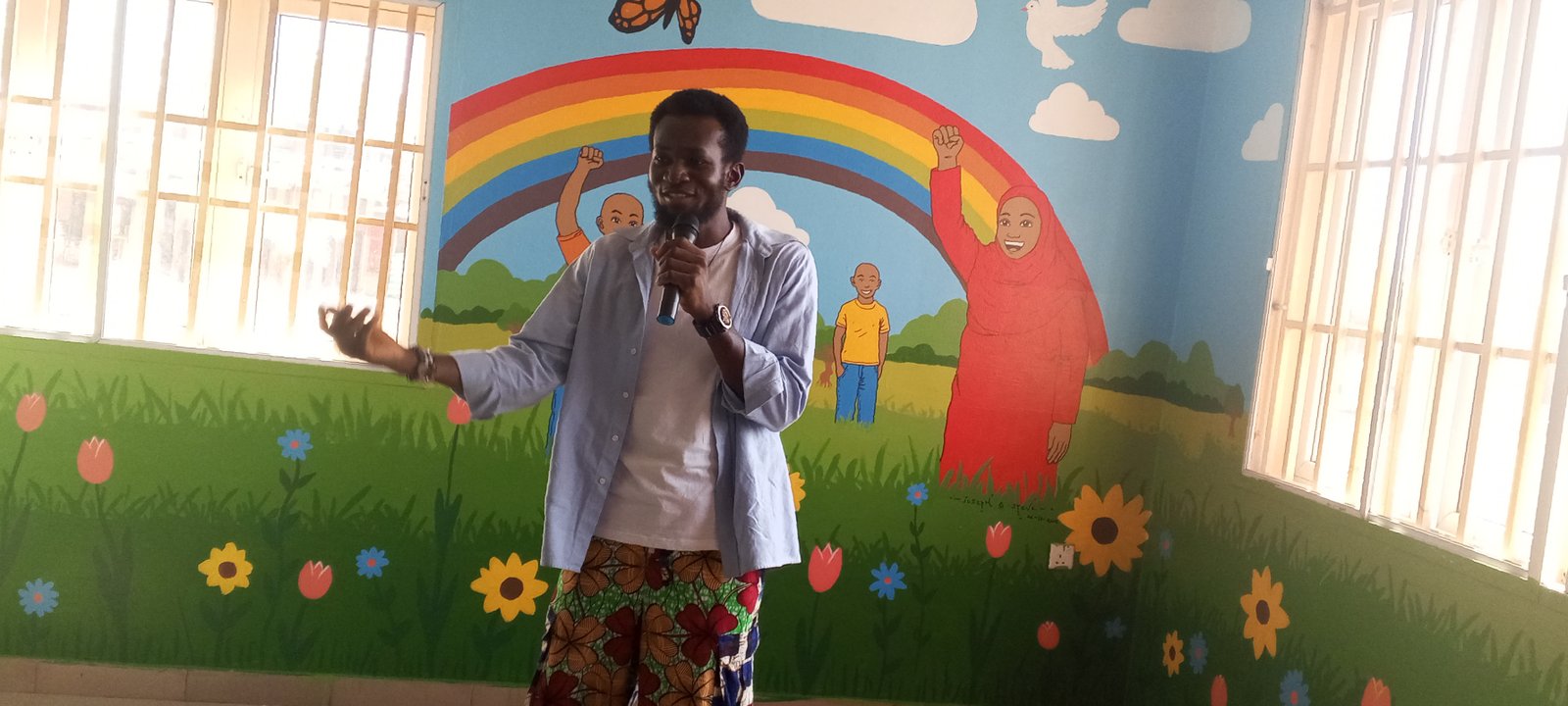
The unveiled mural, designed by visual artist and educator Joseph Steve, represents a growing recognition that healing requires more than chemotherapy and radiation. “My inspiration was nature, which has an inherent essence that heals,” Steve said. This initiative is grounded in evidence-based design—a field of study showing that art in clinical settings can significantly reduce anxiety, lower perceived pain, and promote psychological well-being, thereby potentially improving clinical outcomes.
Dr. Zainab Bagudu, CEO of the Medicaid Cancer Foundation, emphasized this holistic view. Represented by Programme Manager Aisha Muhammed, she stated the mural serves “as a means of giving hope to children… to show they are not alone.” It is a tangible symbol in a long battle, aiming to make the sterile, frightening environment of a hospital ward a place of inspiration and resilience.
Bridging the Gap: A Multifront Battle
The speeches at the event pointed to the multifaceted strategy required to truly bridge Nigeria’s cancer gap:
- Early Detection & Public Awareness: Dr. Offiong’s call for more advocacy is critical. Widespread public education is needed to dispel myths, inform communities that “children can get cancer,” and emphasize that early detection dramatically improves survival odds.
- Financial Protection Schemes: Addressing the root cause of abandonment requires sustainable health financing models, such as expanded insurance coverage or dedicated cancer treatment funds, to shield families from financial catastrophe.
- Decentralization of Care: Building diagnostic and basic treatment capacity at regional centers to reduce the travel burden for rural families.
- Psychosocial Support Integration: Formalizing support systems—including counseling, support groups, and interventions like the Mural of Hope—as standard components of oncology care, not optional add-ons.
- Strengthening Partnerships: As seen in the coalition behind the mural, progress depends on collaboration between government institutions, teaching hospitals, private foundations, and international partners to pool resources, expertise, and advocacy power.
The presentation of a cash gift to the winning artist highlighted the value placed on this creative contribution. However, the event’s true legacy will be measured by whether it catalyzes sustained action on the underlying issues Prof. Ukonu outlined. Closing the cancer care gap demands moving beyond inspiration to implement the systemic, financial, and medical reforms that will make hope a realistic prognosis for every Nigerian child.
Edited by Benson Ezugwu/Kadiri Abdulrahman

:max_bytes(150000):strip_icc()/types-of-doctors-residents-interns-and-fellows-3157293_final-98d29b5c5f4b457791d2ea5fc9c85490.png)