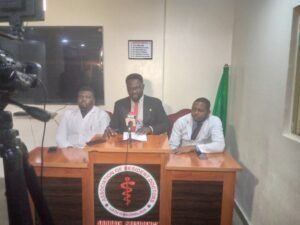
A recent, noticeable rise in mumps cases among Nigerian children is not a random event but a predictable consequence of systemic public health failures, according to a leading epidemiologist. Dr. Akujuobi Igwe of Lead City University’s Department of Public Health identifies inadequate and skipped vaccination as the primary driver of this resurgence, framing it as a preventable crisis rooted in policy gaps rather than an inevitable outbreak.
The Core Issue: A National Immunization Gap
Unlike many nations that have virtually eliminated mumps through routine childhood immunization, Nigeria does not include the Measles-Mumps-Rubella (MMR) vaccine in its National Programme on Immunization (NPI) schedule. This creates a fundamental “immunity debt” across the population. “Over time, this silent immunity gap accumulates, creating a large pool of susceptible children—an open invitation for outbreaks,” Dr. Igwe explains. The MMR vaccine, when available, is largely confined to private healthcare facilities, making protection a privilege for those who can afford out-of-pocket expenses rather than a guaranteed public health right.
Beyond a ‘Minor Childhood Illness’: Understanding the Real Risks
A significant barrier to control is the persistent public perception of mumps as a benign rite of passage. Dr. Igwe urges a correction of this dangerous misconception. While many children experience the characteristic painful swelling of the parotid (salivary) glands and recover, the virus can lead to severe complications:
- Orchitis: Painful inflammation of the testicles in post-pubertal males, which can, in rare cases, lead to sterility.
- Oophoritis: Inflammation of the ovaries in females.
- Meningitis or Encephalitis: Inflammation of the brain or its lining, which can be life-threatening.
- Sensorineural Hearing Loss: A potentially permanent complication that underscores the virus’s significant neurological threat.
Fueling the Fire: Additional Contributing Factors
The vaccination gap is exacerbated by other systemic weaknesses that allow the virus to spread unchecked:
- Weak Surveillance & Underreporting: Cases are often managed at home or misdiagnosed. Without robust, real-time reporting, health authorities cannot detect outbreaks early or map transmission, allowing the virus to spread silently.
- High-Contact Environments: Overcrowded classrooms and living conditions provide an ideal environment for the mumps virus, which spreads through respiratory droplets and direct contact.
- Low Public Awareness: Many caregivers do not recognize early symptoms or understand the critical need to isolate infected children for at least five days after symptoms begin. Sending a child with facial swelling to school can single-handedly seed an outbreak.
A Path Forward: Multifaceted Remedial Measures
Addressing the resurgence requires action at individual, community, and policy levels:
- Immediate Individual Action: Parents are urged to seek the MMR vaccine for their children at private clinics if possible. Practicing rigorous hygiene—covering coughs, avoiding shared utensils, and handwashing—can reduce transmission.
- Community Advocacy: Local leaders and community-based organizations must advocate for the inclusion of the MMR vaccine in the public immunization schedule to ensure equitable, cost-free access for all Nigerian children.
- Strengthen Public Health Infrastructure: Building capacity for disease surveillance, accurate diagnosis, and public education campaigns is essential. Demystifying mumps and correcting the “mild illness” narrative can drive better health-seeking and isolation behaviors.
Dr. Igwe’s analysis presents a clear conclusion: the mumps resurgence is a man-made vulnerability. It is a direct indicator of where immunization policy and public health communication have fallen short. Closing this immunity gap through policy change, sustained advocacy, and public education is not just about controlling mumps—it’s about upholding the fundamental right to health for Nigeria’s children and strengthening the nation’s defenses against all vaccine-preventable diseases.
Source: Interview with Dr. Akujuobi Igwe, Department of Public Health, Lead City University, Ibadan. Edited by Christiana Fadare. (NAN)