By Kemi Akintokun
Lagos, Dec. 27, 2025
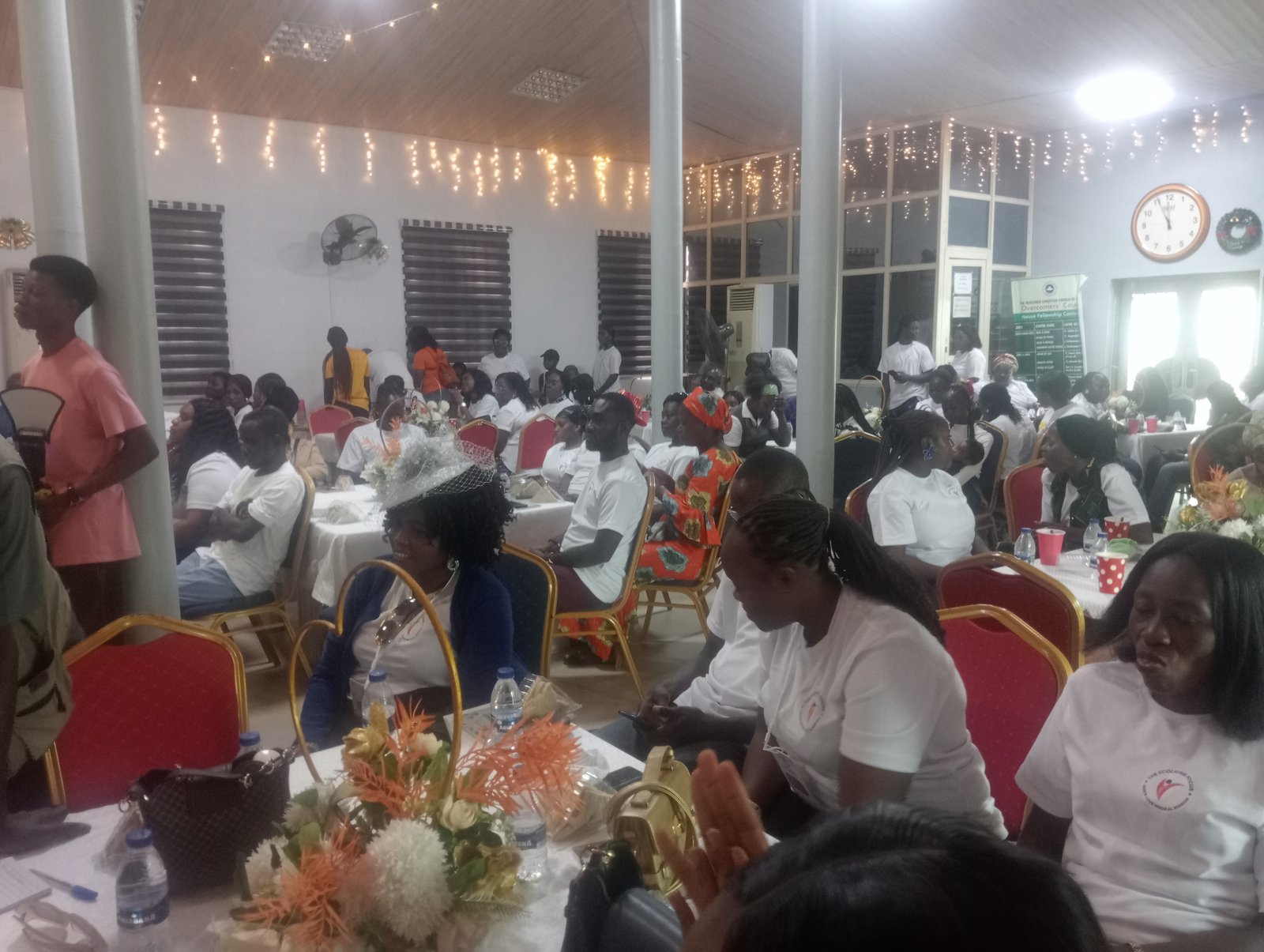
At its 12th-anniversary celebration in Lagos, the Scoliosis Focus Foundation delivered a powerful call to action, urging early medical intervention for children with scoliosis to dramatically improve long-term health outcomes and quality of life. The event, held in partnership with God’s Love Medical Mission under the theme ‘The Hope of Glory’, brought together medical experts, patients, and advocates to address the critical gaps in awareness and care surrounding this spinal condition.
Dr. Ayomide Akintan-Adejuwon, the foundation’s founder and a general practitioner at Gbagada General Hospital, emphasized that scoliosis is not a disease or a spiritual affliction, but a structural deformity of the spine. “The single most important factor in successful management is time,” she stated. “Early detection, followed by prompt, professional medical evaluation, can mean the difference between non-invasive treatment and complex surgery, or even irreversible complications.”
Demystifying Scoliosis: A Medical Condition, Not a Curse
Dr. Akintan-Adejuwon, who lives with scoliosis herself, directly confronted the cultural and spiritual misconceptions that often delay care. “Many families, out of fear or misinformation, first seek help from traditional bone healers. This mismanagement can lead to catastrophic outcomes, including paralysis,” she warned. She stressed that the majority of scoliosis cases are idiopathic—meaning the cause is unknown—and should be approached as a medical condition requiring orthopedic expertise.
Consultant spine surgeon Dr. Mutaleeb Shobode provided crucial clinical context. He explained that scoliosis involves a sideways curvature of the spine, most commonly to the right, and is significantly more prevalent in adolescent girls. “Not every curve requires surgery,” he clarified. “For growing children with curves between 20 and 40 degrees, a properly fitted brace can be highly effective in preventing progression. This underscores why early detection during growth spurts is so vital.”
The High Cost of Late Presentation and Stigma
The experts identified a triad of challenges: late presentation due to stigma and myth, a critical shortage of trained personnel, and inadequate medical facilities. “By the time many patients see a specialist, the curve has progressed beyond bracing, making complex spinal fusion surgery the only option,” Dr. Shobode noted, calling for investment in local surgical and orthotic capacity.
The human impact of stigma was poignantly illustrated by Mrs. Kemi Aina, an accountant and mother of two who lives with scoliosis. She recounted facing lifelong discrimination and social isolation during her school years. “People saw my curved spine before they saw me,” she shared. “But I learned to see beyond my physical deformity. My message to every child and parent is this: scoliosis is a part of you, but it does not define your potential. You can achieve anything you set your mind to.”
A Foundation’s 12-Year Mission and a Call to Action
Over the past 12 years, the Scoliosis Focus Foundation has supported individuals through direct treatment assistance, psychological counselling, and nationwide awareness campaigns. The foundation collaborates with institutions like the National Orthopaedic Hospital in Lagos for urgent surgical cases and maintains a network of over 20 participants across Nigeria.
Dr. Akintan-Adejuwon concluded with a dual appeal: first, to parents and communities to seek professional help immediately upon noticing any asymmetry in a child’s shoulders, ribs, or hips; and second, to government and health policymakers to allocate resources for specialized training, equipment, and subsidies to make scoliosis care accessible and affordable for all.
The anniversary event served as a stark reminder that for children with scoliosis, early care is not just a medical recommendation—it is the foundation for a straighter, stronger, and unbounded future.
Edited by Modupe Adeloye / Kamal Tayo Oropo