In a significant move to bolster grassroots healthcare, the Kwara State Government has entered a strategic partnership with the United Nations Children’s Fund (UNICEF) and the Global Fund. This collaboration, formalized under the Global Fund COVID-19 Response Mechanism Grant, aims to comprehensively revitalize five critical Primary Healthcare Centers (PHCs) across the state. This initiative represents a tangible step in addressing long-standing infrastructure gaps and moving beyond the immediate pandemic response to build more resilient health systems.
The announcement, made by Prof. Nusirat Elelu, Executive Secretary of the Kwara State Primary Healthcare Development Agency (KWSPHCDA), underscores a shared commitment to strengthening the foundational tier of Nigeria’s health system. Primary healthcare is the first point of contact for communities, yet many facilities suffer from dilapidated infrastructure, unreliable power, and water shortages. This partnership directly targets these systemic challenges.
Beyond Renovation: A Holistic Model for PHC Revitalization
The project scope extends far beyond simple repairs. It is designed as an integrated upgrade based on a UNICEF-led gap analysis, ensuring interventions meet specific, identified needs. The comprehensive plan includes:
- Infrastructure Renovation: Overhaul of the main buildings to create a safe, dignified, and functional environment for patients and healthcare workers.
- Sustainable Energy: Installation of solar power systems to guarantee uninterrupted electricity—a critical need for vaccine refrigeration, laboratory equipment, and evening services.
- Water, Sanitation, and Hygiene (WASH): Construction of boreholes to provide a consistent, potable water supply, which is fundamental for infection prevention, safe deliveries, and basic sanitation.
- Medical Equipment: Provision of essential medical devices and furniture, standardized to improve diagnostic accuracy and service delivery quality.
Ensuring Effective Implementation and Community Impact
Prof. Elelu outlined a robust framework to ensure the project’s success. A dedicated focal officer will coordinate between the KWSPHCDA, the National Primary Health Care Development Agency (NPHCDA), UNICEF, and contractors. Crucially, the agency plans to minimize service disruption during construction and will launch community engagement campaigns. This participatory approach is vital for fostering local ownership, ensuring the facilities are utilized, and sustaining the improvements long-term.
“This intervention aligns perfectly with our ongoing efforts to decentralize quality healthcare,” Elelu stated. “We are committed to providing seamless access to the project sites and ensuring security, all to guarantee timely and quality delivery.”
The Selected Facilities and Strategic Importance
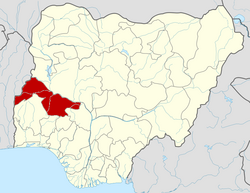
The five PHCs selected for this phase are strategically spread across diverse local government areas, aiming to improve geographic equity in access:
- Mobile Health Clinic, Okuta (Baruten LGA)
- Basic Health Care Centre, Kulende (Ilorin South LGA)
- Primary Health Care Centre, Ojagboro (Ilorin East LGA)
- Primary Health Care Centre, Ilofa (Oke Ero LGA)
- Model Primary Health Care Centre, Kpada (Patigi LGA)
This selection highlights a focus on both peri-urban and harder-to-reach communities, such as those in Baruten and Patigi. Mr. Gamaliel Dargam, the UNICEF representative, confirmed Kwara’s status as a priority beneficiary, commending the state’s demonstrated commitment to primary healthcare as a catalyst for the investment.
A Model for Future Collaboration
This partnership exemplifies how post-pandemic recovery funds can be leveraged for lasting health system strengthening. The Global Fund grant, channeled through UNICEF’s technical expertise and implemented with state government ownership, creates a powerful synergy. If executed effectively, these five revitalized PHCs can serve as demonstration models, showcasing the standards for functional primary healthcare and potentially attracting further investment for scale-up across Kwara State and beyond. The ultimate goal, as reiterated by all partners, is a measurable improvement in health outcomes—from reduced maternal and child mortality to better-managed chronic diseases—for the residents of Kwara State.