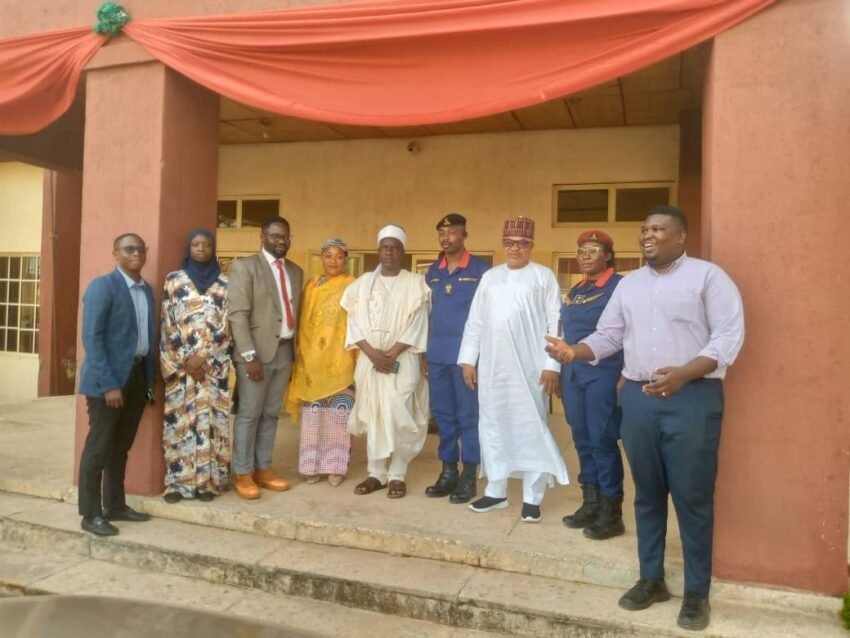
In a decisive move to safeguard public health and uphold professional standards, the Kaduna State Government has taken enforcement action against 20 unaccredited private health institutions. This crackdown, reported on January 9, 2026, targets illegal Colleges of Health Sciences and private hospitals operating without proper authorization.
State Commissioner for Health, Dr. Umma Kaltum-Ahmed, framed the operation as a critical component of the state’s broader strategy to reform the healthcare sector. “This is not merely a punitive exercise,” she stated. “It is a foundational step in our ongoing mission to ensure every private health facility in Kaduna complies with established rules and regulations. Our ultimate goal is to protect our citizens from the grave dangers posed by poorly trained personnel and substandard care.”
Beyond the Headlines: The Real-World Risks of Unregulated Health Training
The commissioner’s warning against “the illegal production of unqualified health workers” underscores a severe, often underreported public safety crisis. These unaccredited institutions pose a dual threat:
- Direct Patient Harm: Graduates from such colleges lack the rigorous clinical training and theoretical knowledge required for safe practice. This can lead to misdiagnosis, improper treatment, medication errors, and a complete inability to handle emergencies, directly endangering lives in communities that trust them.
- Erosion of Systemic Trust: When “health workers” with unrecognized certificates enter the system—often at a lower cost to employers—they degrade the overall quality of care and undermine public confidence in the entire healthcare profession.
The sealed institutions were located across four local government areas: Chikun, Igabi, Kaduna North, and Kaduna South, indicating a widespread issue rather than an isolated problem.
Protecting Citizens and Their Investments
Dr. Kaltum-Ahmed issued a crucial directive to the public, urging them to “seek admission only in duly approved and accredited institutions.” This advice is profoundly practical. Students who invest time, money, and effort into these illegal programs face a dead end: their certificates are worthless for employment within the formal health sector or for further professional licensing. The state’s action thus also functions as consumer protection, preventing financial and academic exploitation.
A Signal of Broader Sectoral Reform
The commissioner’s commendation of Governor Uba Sani’s leadership hints at this enforcement being part of a larger, strategic vision. “Repositioning the health sector to meet required standards” suggests parallel efforts may be underway, such as:
- Strengthening the accreditation and monitoring framework for all health training facilities.
- Investing in and expanding capacity at legitimate public and private health colleges to meet demand.
- Launching public awareness campaigns to help citizens identify accredited facilities.
- Collaborating with professional bodies like the Medical and Dental Council of Nigeria (MDCN) and the Nursing and Midwifery Council of Nigeria (NMCN) to tighten oversight.
This crackdown sends a clear message: Kaduna State is prioritizing the quality of healthcare workforce development as a non-negotiable pillar of its public health strategy. It serves as a model for other states grappling with similar challenges of quackery and institutional malpractice, demonstrating that regulatory will is essential for building a healthcare system citizens can trust.
Edited by Modupe Adeloye/Abiemwense Moru