By Amina Ahmed | Bauchi, Dec. 19, 2025
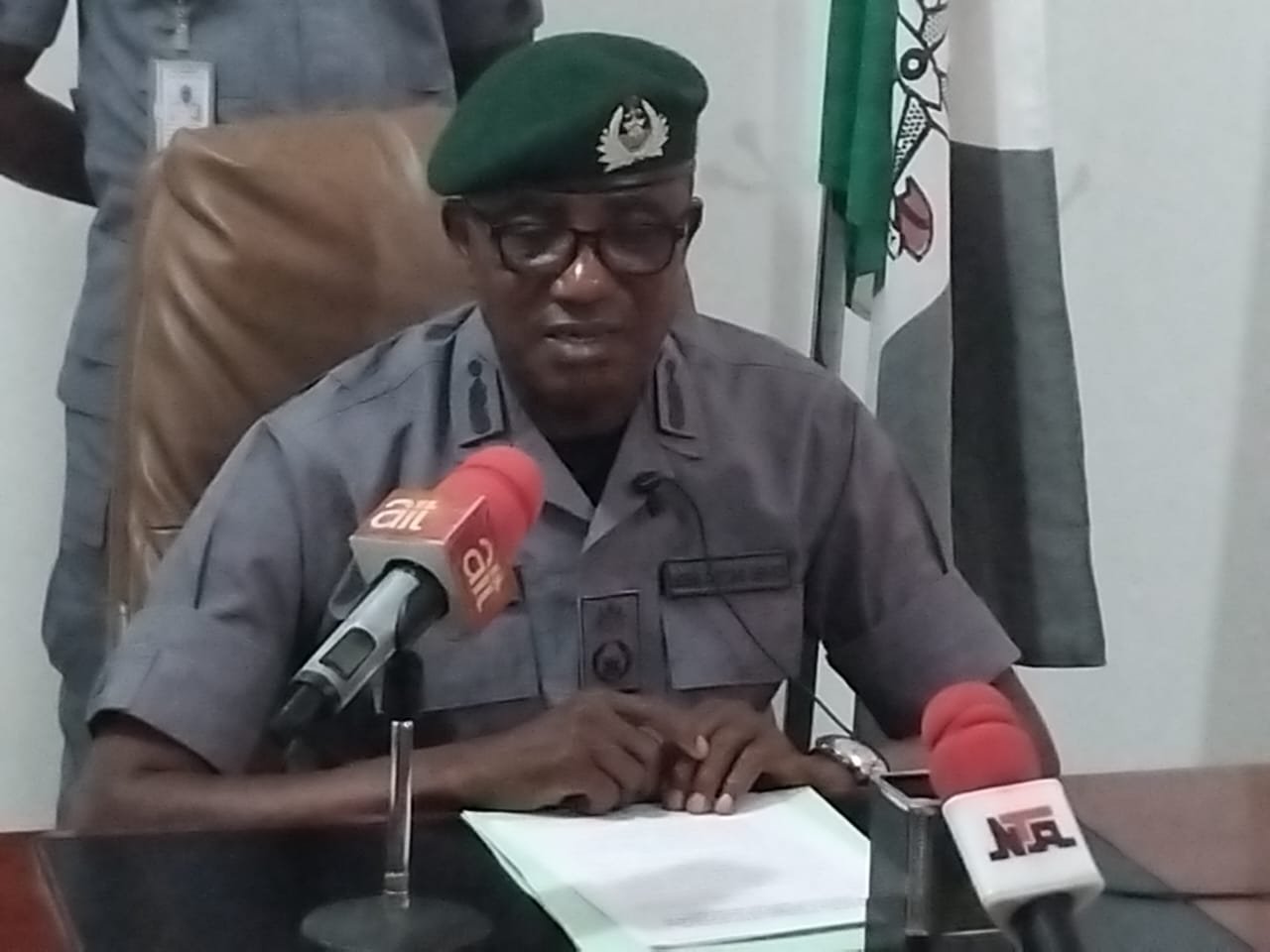
In a significant enforcement operation, the Nigeria Customs Service (NCS), Federal Operations Unit (FOU), Zone ‘D’ in Bauchi, has announced the seizure of contraband goods with a Duty Paid Value (DPV) of N82.1 million over a ten-day period. The announcement, made by Comptroller Abdullahi Kaila at a press conference, highlights a critical front in the nation’s ongoing battle against illicit trade.
Comptroller Kaila framed the seizure as a direct result of his declared “zero tolerance” policy towards smuggling upon assuming his role. “This achievement demonstrates our unwavering commitment to translating policy into decisive action,” he stated, underscoring the unit’s resolve to enforce customs laws across its vast area of responsibility, which spans nine states: Adamawa, Taraba, Bauchi, Gombe, Borno, Yobe, Plateau, Benue, and Nasarawa.
Anatomy of a Seizure: What Was Intercepted and Why It Matters
The seized items provide a revealing snapshot of prevalent smuggling trends in Nigeria’s North-East and North-Central regions:
- 15,100 litres of Premium Motor Spirit (PMS/petrol): This seizure points to the persistent issue of cross-border fuel smuggling, often driven by subsidy differentials. Illicitly exported fuel deprives the national economy of revenue and can destabilize local markets.
- 34 bales and six sacks of second-hand clothing (“Okrika” or “Bend Down Boutique”): The import of used clothing is banned to protect local textile industries and for public health reasons. These items often enter the country unchecked, potentially carrying contaminants.
- 150 cartons of foreign pasta & 20 cartons of foreign washing soap: These represent classic examples of banned or restricted goods that undercut legitimate local manufacturers, stifling domestic industrial growth and job creation.
- 80 sacks of used shoes & 390 jerry-cans of vegetable oil: Similar to clothing, used footwear is prohibited. The vegetable oil seizure may relate to evasion of duties or quality standards, posing risks to consumer safety.
The cumulative N82.1 million DPV figure represents not just the market value, but the total of evaded duties, taxes, and levies—revenue lost to the public purse that could have funded infrastructure and social services.
The Strategy Behind the Success: Intelligence, Law, and Collaboration
Comptroller Kaila attributed the successful interdiction—and a noted decline in wildlife, drug, and narcotics smuggling—to a multi-pronged strategy:
- Intelligence-Driven Operations: Moving beyond random patrols to targeted operations based on credible intelligence, increasing the efficiency and impact of enforcement actions.
- Legal Backing: Operations are firmly grounded in the Nigeria Customs Service Act, 2023. Specifically, Section 226 empowers officers to patrol freely and examine goods, while Section 245 deals with the detention and seizure of prohibited or restricted items, providing the legal teeth for such actions.
- Enhanced Inter-Agency Collaboration: Kaila emphasized strengthening partnerships with other security and regulatory agencies. This synergy is crucial for dismantling sophisticated smuggling networks that often involve logistics, finance, and corruption. Joint operations and intelligence sharing create a more formidable barrier against illicit trade.
The Broader Implications: Economy, Security, and Public Engagement
This seizure is more than a statistical win; it has tangible implications for national stability. Smuggling erodes the country’s economic base, funds criminal enterprises, and can compromise border security. By clamping down, the NCS aims to protect local industries, safeguard government revenue, and promote fair trade.
Comptroller Kaila issued a stern warning to non-compliant traders: “There will be no hiding place for those engaged in illegal trade.” However, he balanced this with an assurance of sustained public enlightenment through media engagement and community outreach. This dual approach of deterrence and education is key to fostering voluntary compliance and building public support for border security efforts, which he reiterated are fundamental to sustainable economic growth and national development.
The seizure in Bauchi serves as a clear indicator that despite the challenges, targeted, intelligence-led customs enforcement remains a vital tool in securing Nigeria’s economic frontiers.
(Source: NAN)
========
Edited by Rabiu Sani-Ali | Analysis and Context Expanded by Expert Editor