
By Chinenye Offor
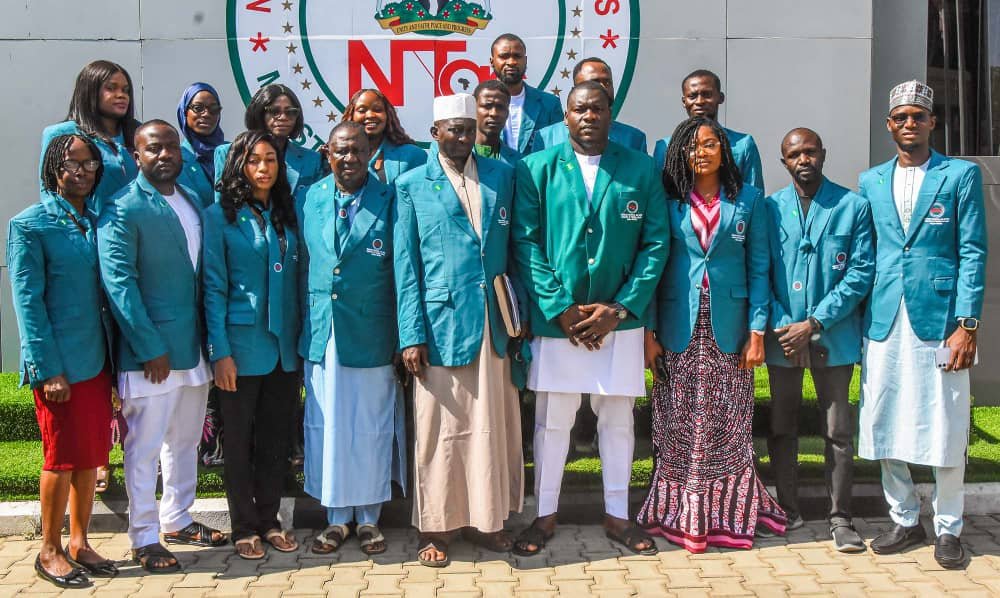
Abuja, Dec. 18, 2025 – In a significant move to bolster solidarity among Global South nations, Dr. Yusuf Yakub, Director-General of the Nigerian Technical Aid Corps (NTAC), has articulated the strategic vision behind Nigeria’s latest deployment of skilled volunteers. Speaking at the orientation for 18 professionals bound for St. Kitts and Nevis, Yakub framed the initiative as a cornerstone of Nigeria’s foreign policy, aimed at strengthening South-South Cooperation and filling critical manpower gaps.
This deployment is not merely an exchange of personnel; it represents a deliberate and evolving strategy of ‘development diplomacy.’ For decades, Nigeria has leveraged its vast pool of professionals—doctors, engineers, teachers, and agricultural scientists—to support fellow developing nations, primarily within Africa. The extension to the Eastern Caribbean marks a strategic geographic and diplomatic expansion, transforming the TAC from a continental program into a transatlantic bridge of knowledge and solidarity.
Yakub described the current deployment as “one of the most important and challenging in the history of the programme,” executed under a direct directive from President Bola Tinubu. This presidential mandate signals Nigeria’s intent to play a more assertive role as a leader and major contributor to human capital development within the African, Caribbean, and Pacific (ACP) group of states.
The Mechanics and Impact of South-South Cooperation
Unlike traditional North-South aid, which can be prescriptive, South-South Cooperation is built on principles of shared experience, mutual benefit, and non-interference. The TAC model is a prime example. Nigeria sends volunteers who understand the challenges of developing economies firsthand. They integrate into local systems, providing hands-on expertise while fostering cross-cultural understanding. The host country gains immediate, cost-effective access to specialized skills, while Nigeria builds enduring diplomatic goodwill and soft power.
“Nigeria has so far deployed volunteers to Grenada and Jamaica, with St. Kitts and Nevis next,” Yakub noted, adding that plans are advanced to send volunteers to six additional Caribbean countries in early 2026. This phased approach allows NTAC to build sustainable partnerships and tailor deployments to the specific needs of each island nation, which often face acute shortages in healthcare and technical sectors.
Synergy with National Infrastructure
A critical, often-overlooked enabler of this cooperation is logistics. Yakub highlighted the serendipitous timing of the deployment with the commencement of direct flights from Nigeria to the Caribbean by Air Peace, Nigeria’s indigenous airline.
“This development is a boost to the nation’s aviation sector and a reduction in travel time for volunteers,” he said. This synergy is transformative. It reduces the cost and complexity of deployment, facilitates easier rotation and emergency travel, and symbolically strengthens the physical connection between Nigeria and the Caribbean, making cooperation more tangible and sustainable.
The Volunteers: Ambassadors of Expertise and Values
Addressing the cohort, largely composed of medical personnel, Yakub emphasized their dual role. “You will be ambassadors of Nigeria in your host country,” he urged, calling for service with “integrity, professionalism, and commitment.” This underscores that the program’s success is measured not just in skills transferred, but in the positive national image projected by each volunteer.
Echoing this sentiment, Ambassador Zakari Usman, NTAC’s Director of Programmes, represented by Mr. Fehintola Oyeyemi, commended the management for sustaining the program. He confirmed the volunteers were “well prepared” for their assignments, having undergone rigorous orientation on professional conduct and cultural adaptation.
Mr. Samuel Edo-Esamah, the Team Lead, accepted this charge on behalf of the volunteers. Expressing gratitude for the opportunity, he pledged that the team would “uphold Nigeria’s values and represent the country with distinction,” recognizing their service as a personal and national responsibility.
A Model for Collective Advancement
The deployment exercise, held at the NTAC headquarters in Abuja, closes the year on a note of proactive international engagement. It demonstrates how a well-structured technical cooperation scheme can serve as a powerful tool for foreign policy, creating win-win outcomes. For recipient countries, it addresses immediate developmental gaps. For Nigeria, it reinforces its leadership status, builds lasting partnerships, and offers its professionals invaluable international experience. In an increasingly multipolar world, Nigeria’s TAC scheme provides a concrete blueprint for how Global South nations can leverage their own resources for mutual growth and stronger collective voice.
(Report by the News Agency of Nigeria – NAN)
Edited by Kadiri Abdulrahman