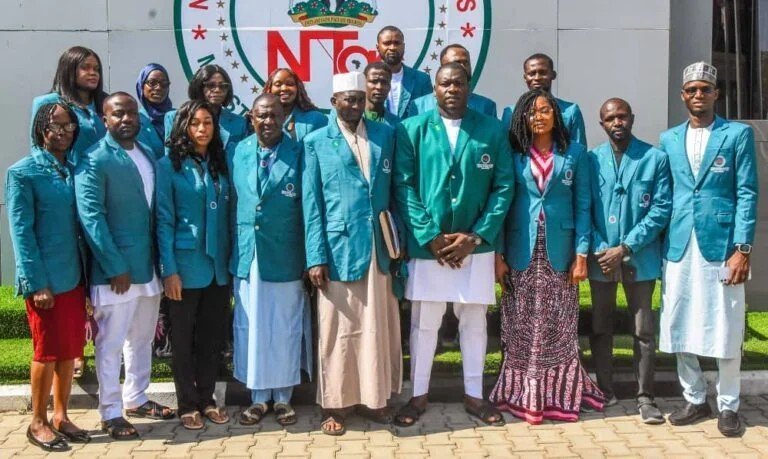
In a significant move to bolster international solidarity and practical development assistance, the Nigerian Technical Aid Corps (NTAC) has deployed a new cohort of volunteers to the Caribbean, marking a strategic expansion of South-South cooperation. Dr. Yusuf Yakub, the Director-General of NTAC, framed this initiative as a dual-purpose mission: to fill critical skill shortages in partner nations and to solidify Nigeria’s role as a pivotal leader in global technical collaboration among developing countries.
During the deployment ceremony for 18 volunteers bound for St. Kitts and Nevis, Dr. Yakub emphasized that the exercise is a direct response to a mandate from President Bola Tinubu. This directive calls for extending Nigeria’s expertise to Eastern Caribbean nations, thereby transforming diplomatic goodwill into tangible human resource support.
Beyond Manpower: The Strategic Depth of South-South Cooperation
While bridging manpower gaps is an immediate goal, the TAC scheme’s deeper value lies in its model of South-South Cooperation. Unlike traditional North-South aid, this framework is built on shared experiences and challenges among developing nations. Nigeria, with its vast pool of professionals, exports not just skills but contextually relevant knowledge and problem-solving approaches that are often more applicable and sustainable in similar socio-economic environments. This deployment to St. Kitts and Nevis—following earlier ones to Grenada and Jamaica—is a practical manifestation of this philosophy, fostering peer-to-peer learning and long-term institutional linkages.
A Logistical and Symbolic Boost
Dr. Yakub highlighted a synergistic development that amplifies this effort: the recent commencement of direct flights from Nigeria to the Caribbean by Air Peace, Nigeria’s indigenous airline. This achievement does more than reduce travel time for volunteers; it symbolizes a tangible connection being forged between the regions. It facilitates easier people-to-people exchange, boosts tourism and trade potential, and represents a concrete step in de-colonizing travel routes and enhancing Africa’s aviation sovereignty.
The Volunteers: Ambassadors of Expertise and Nigerian Values
The newly deployed cohort, largely composed of medical personnel and other specialists, underwent rigorous preparation. Ambassador Zakari Usman, NTAC’s Director of Programmes, noted the volunteers are “well prepared” to represent Nigeria’s professional standards. Addressing the volunteers, Dr. Yakub charged them to serve with “integrity, professionalism, and commitment,” reminding them that they are, first and foremost, ambassadors of their nation. Their success will be measured not only by their technical contributions but by the soft-power goodwill they generate.
Mr. Samuel Edo-Esamah, the Team Lead, accepted this charge on behalf of the group, pledging to uphold Nigerian values and represent the country with distinction.
Looking Ahead: A Sustained Commitment
This deployment is not an isolated event but part of a sustained strategic push. Plans are already underway to send volunteers to six additional Caribbean countries in the first quarter of 2026. This scaling up underscores Nigeria’s commitment to being a consistent and reliable partner in global development through technical cooperation. It positions the TAC scheme as a key foreign policy tool, one that builds influence through generosity and shared capacity building rather than through conditional aid or political pressure.
The orientation and deployment exercise, held at the NTAC headquarters in Abuja, thus closes the year on a note of proactive international engagement. It signals Nigeria’s intent to play a leading role in shaping a new paradigm of development collaboration—one built on mutual respect, shared challenges, and the strategic export of human capital.