
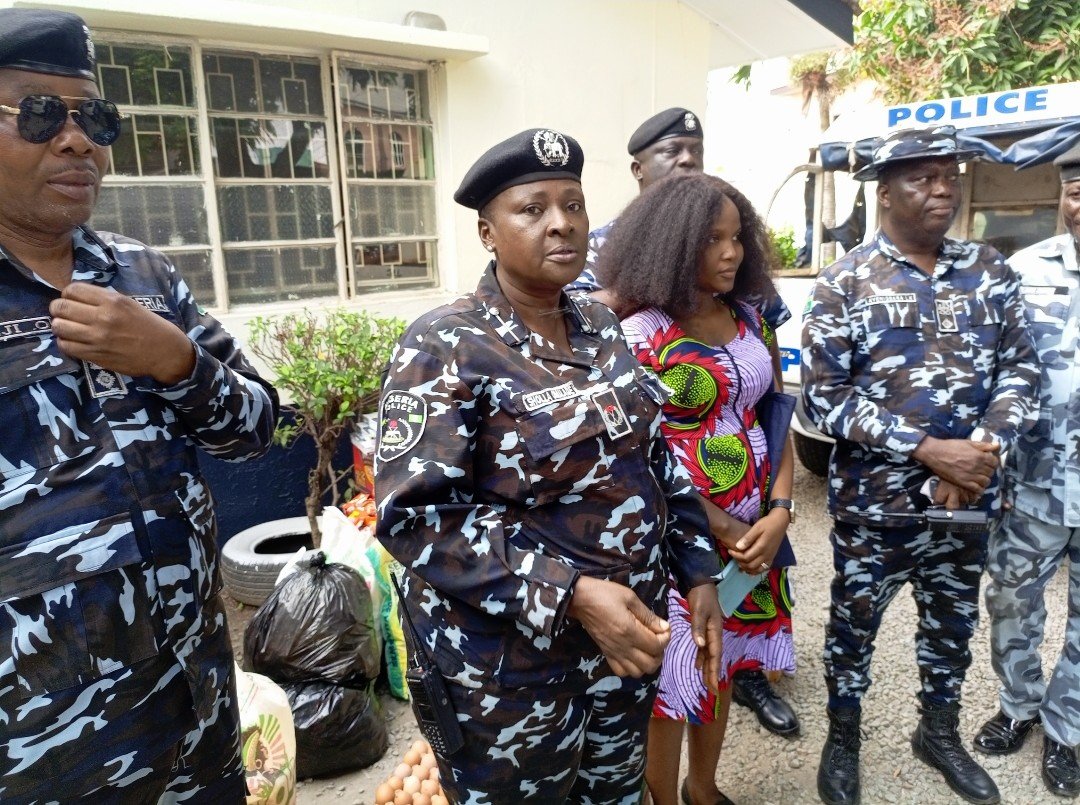
In a powerful departure from traditional law enforcement narratives, the Lagos State Police Area H Command recently orchestrated a heartwarming outreach to orphanages across the state. This initiative, far more than a seasonal charity event, represents a strategic and deliberate pivot towards a model known as humanitarian policing—a philosophy that seeks to bridge the profound trust gap between the police and the communities they serve.
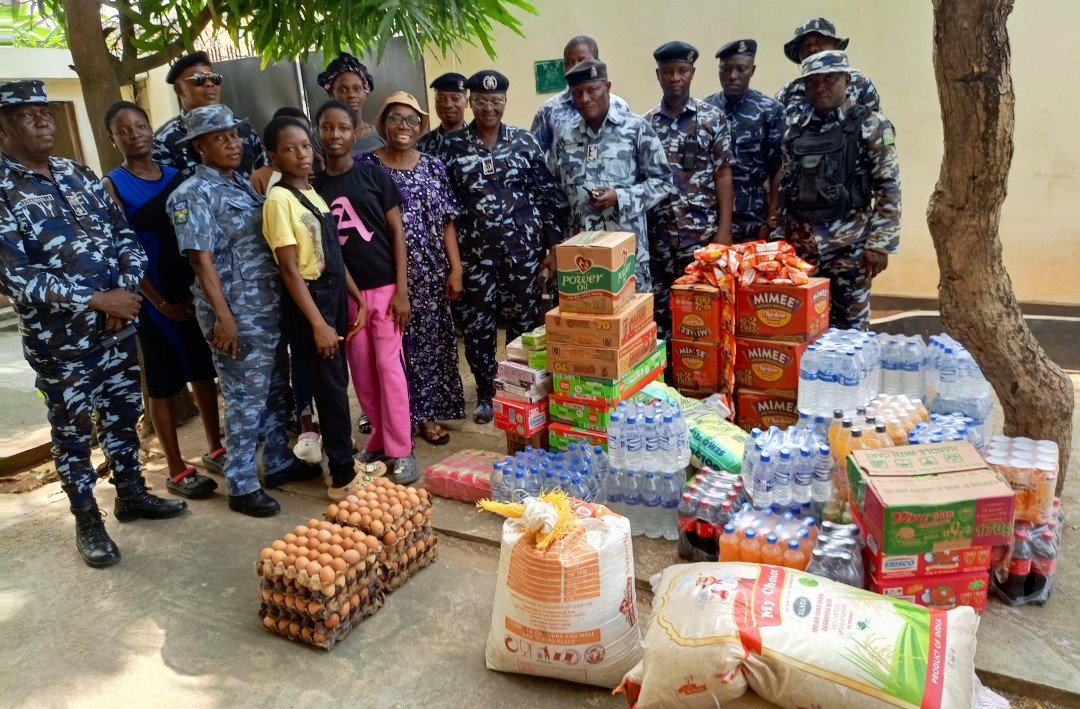
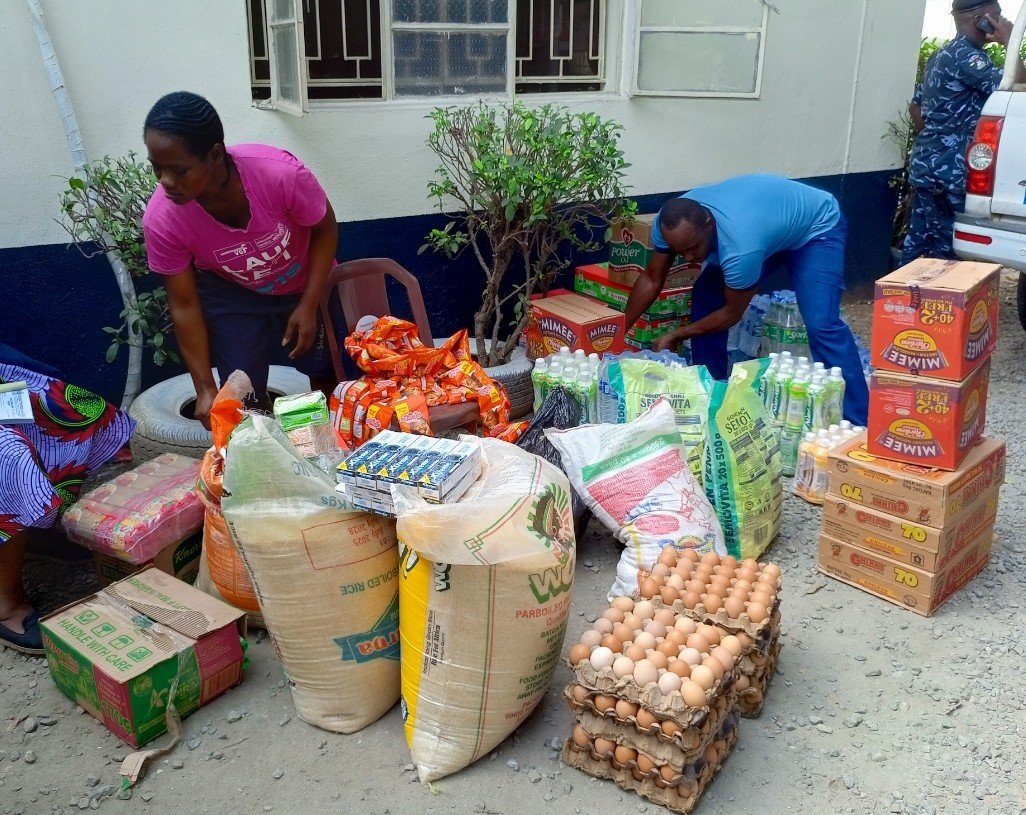
Led by Assistant Commissioner of Police (ACP) Sholla Omilade of the Area H Command in Ogudu, the outreach on Saturday, December 20, 2025, delivered essential food items and festive cheer to children at selected homes, including the Heritage Home in Anthony and the Echo of Mercy and Hope Foundation in Maryland.
ACP Omilade clarified that this compassionate mission was inspired by the vision of the Lagos State Commissioner of Police, Mr. Olohundare Jimoh. “This is a direct reflection of the Commissioner’s commitment to strengthening police-community relations not through force, but through compassion and tangible service,” Omilade stated. The timing during the festive season is particularly significant, aiming to ensure that society’s most vulnerable—children without parental care—are not forgotten.
Beyond Donations: The Anatomy of a Community-Funded Initiative
What makes this outreach particularly noteworthy is its funding mechanism. The donations were not drawn from an impersonal government budget. Instead, they were personal contributions pooled from the officers of Area H Command, their Divisional Police Officers (DPOs), and rank-and-file personnel. This internal buy-in was bolstered by support from “friends of the police” and anonymous community stakeholders who believed in the vision.
“This is our way of showing that the police are not just law enforcers but friends of the people,” ACP Omilade explained. “We are not only saying it; we are demonstrating it through action by giving back to society.” This grassroots funding model is crucial—it transforms the act from a bureaucratic duty into a collective gesture of empathy from individual officers to their community.
The Strategic Imperative: Rebuilding Fractured Trust
ACP Omilade was candid about the deeper objective: rebuilding public trust and correcting negative perceptions about the Nigeria Police Force. In many communities globally, and historically in Nigeria, police are viewed with suspicion or fear, seen as an occupying force rather than a protective service.
“Many people see the police as enemies, but we are not. We are friends of the people. This outreach is to show that we truly care, not just by words but by action,” she said. This statement acknowledges the existing perception problem head-on. Humanitarian policing initiatives like this serve as a form of proactive community engagement, creating positive touchpoints that can, over time, counteract negative experiences and media narratives.
The Recipients’ Perspective: A Seed for Lasting Change
The representatives from the beneficiary orphanages recognized the broader symbolism of the gesture. They described it as “a positive step in boosting public confidence,” noting that sustained acts of kindness could significantly improve the police’s image both locally and globally. This external validation is vital; for trust to be rebuilt, the community must acknowledge and receive these efforts authentically.
The Bigger Picture: What is Humanitarian Policing?
This event is a practical case study of humanitarian policing in action. This philosophy expands the police mandate beyond crime fighting to include:
- Social Service: Actively participating in community welfare.
- Trust-Building: Creating non-enforcement interactions that humanize officers.
- Preventive Engagement: Fostering goodwill that can lead to better community cooperation in crime prevention and solving.
As ACP Omilade offered prayers for the children, the police force, and the nation, the event closed with wishes for a Merry Christmas and a Happy New Year. However, the true test of this initiative’s success will not be measured in a single day’s goodwill. Its legacy will depend on whether this outreach becomes a sustained, institutionalized practice within the Lagos Police and a replicable model for other commands, signaling a genuine, long-term transformation in how law enforcement relates to the citizens it is sworn to protect and serve.
Reported by Deborah Akpede for the News Agency of Nigeria (NAN). Edited by Sandra Umeh.