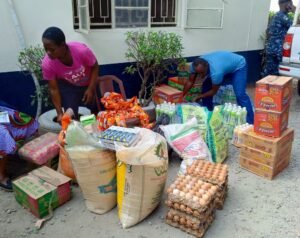
In a targeted effort to provide relief during the festive season, the Plateau State Government has distributed essential food items to 1,000 widows across the Jos-Bukuru metropolis. The initiative, spearheaded by the Plateau State Emergency Management Agency (PLASEMA), underscores a broader commitment to social welfare for vulnerable populations. [[PEAI_MEDIA_X]]
Mr. Sunday Abdu, the Executive Secretary of PLASEMA, oversaw the distribution on Monday, December 22, 2025. He framed the gesture as a direct intervention to “bring joy, relief, and a sense of inclusion” to widows during the Christmas and New Year period. The distribution model was notably personal; Governor Caleb Mutfwang had specifically directed that widows collect the items themselves, ensuring direct contact and reducing the risk of diversion. [[PEAI_MEDIA_X]]
Beyond a One-Time Gift: Context and Strategy
While framed as a festive celebration, this action is part of a larger, ongoing social welfare strategy. Abdu explicitly linked it to the government’s dedication to “improving the wellbeing of vulnerable citizens.” The choice of beneficiaries—widows—is significant. In many communities, widows face profound economic insecurity, social marginalization, and increased vulnerability, making them a critical group for social safety nets. This distribution recognizes that the heightened financial pressures of the festive season can exacerbate their hardship.
Practical Impact and Beneficiary Response
The aid package was designed for immediate practical utility. Beneficiaries received staples like rice and groundnut oil, along with seasoning cubes. Crucially, the government also provided transport fare, a thoughtful addition that acknowledges the logistical and financial burden of collecting the aid, ensuring the net benefit to the recipients was not diminished by travel costs.
The response from beneficiaries highlighted the program’s perceived uniqueness and impact. Mrs. Abosede Segun, a widow who spoke to the News Agency of Nigeria (NAN), noted it was “the first time any governor would remember the widows in such a manner.” Her gratitude was coupled with a poignant appeal for “sustained assistance beyond the festive period,” a call that points to the chronic nature of the challenges faced by this demographic.
Expanding the Reach: A Holistic Approach to Vulnerability
Importantly, this event is not an isolated act. Mr. Abdu announced that the initiative would be extended to Internally Displaced Persons (IDPs) in camps across Riyom, Barkin Ladi, Bassa, and Mangu Local Government Areas. This expansion reveals a two-pronged approach to seasonal welfare: addressing the needs of urban vulnerable groups (like widows) while also planning for those in acute, crisis-induced displacement. It transforms the program from a single event into a coordinated campaign targeting different facets of vulnerability within the state. [[PEAI_MEDIA_X]]
Analysis: The Role of Festive Period Interventions
Such distributions serve multiple purposes. Primarily, they meet immediate nutritional needs. Secondly, they carry strong symbolic weight, fostering a sense of communal care and government visibility. However, as Mrs. Segun’s appeal indicates, their long-term effectiveness hinges on integration with sustained poverty alleviation programs, skills training, or social security schemes. The true test of the government’s “commitment” will be measured by how these seasonal gestures are dovetailed with longer-term strategies to improve livelihoods and resilience among Plateau’s most vulnerable citizens.
This report, filed by Blessing Odega for NAN and edited by Peter Amine, documents a meaningful step in Plateau’s social welfare efforts, providing both immediate relief and a template for broader, empathetic governance.