In a decisive move to tackle two of Lagos’s most pressing urban challenges—deadly road accidents and predatory “one-chance” robberies—the state’s key security and traffic agencies have forged a unified front. This strategic collaboration, announced at a high-level stakeholders’ meeting at the Lagos Police Command Headquarters in Ikeja, marks a significant shift from isolated operations to a coordinated, intelligence-driven approach aimed at safeguarding the metropolis’s millions of daily commuters.
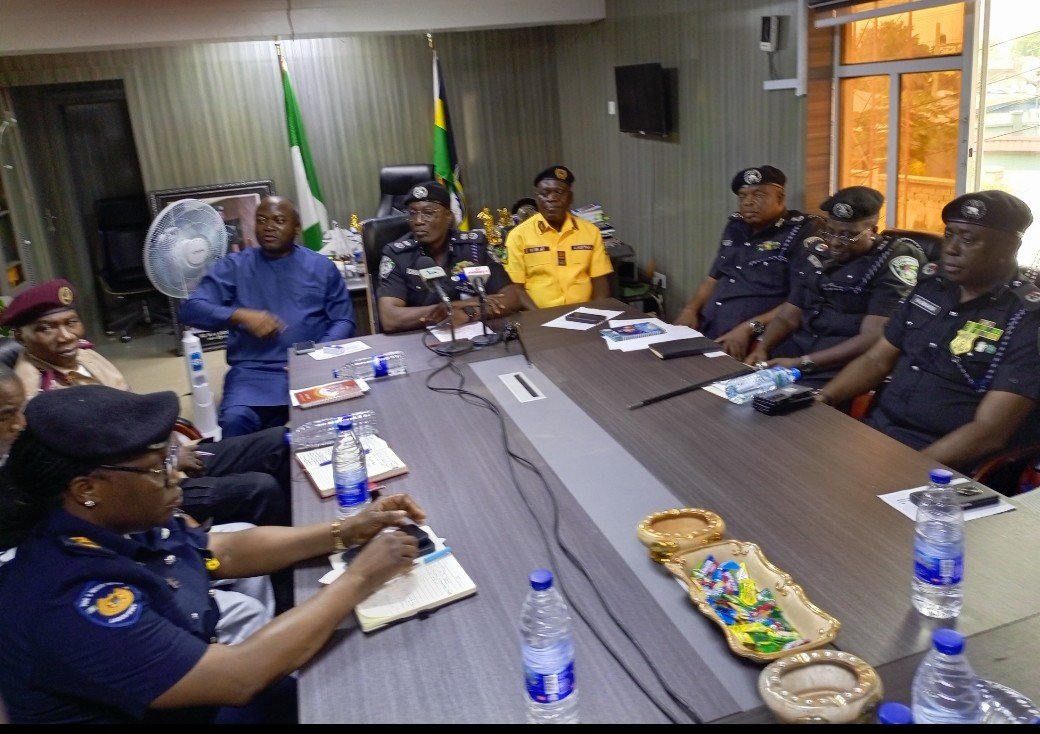
The meeting brought together the Nigeria Police Force (Lagos Command), the Federal Road Safety Corps (FRSC), and the Lagos State Traffic Management Authority (LASTMA), alongside other federal and state bodies. The consensus was clear: the scale of Lagos’s traffic crisis, with its over 23 million residents and intense flow of articulated trucks, demands an unprecedented level of inter-agency synergy.
A Multi-Pronged Assault on Road Carnage
Lagos State Commissioner of Police, Mr. Olohundare Jimoh, outlined the grim reality. Reckless driving, blatant disregard for traffic laws, and the indiscriminate incursion of heavy-duty vehicles into densely populated areas have created a perfect storm for fatal accidents. To combat this, the agencies have agreed on a concrete action plan:
- Enhanced Enforcement & Prosecution: Police deployments have been increased on major highways not just for visibility, but for strict enforcement. Commissioner Jimoh emphasized a “no one is above the law” stance, stating that all accidents, minor or fatal, are now subject to thorough investigation to ensure culpable drivers face prosecution. This moves beyond mere fines to establish real legal accountability.
- Targeting Systemic Risks: The operation will specifically clamp down on overloaded trucks and the dangerous practice of using unsuitable vehicles to transport containers into restricted urban zones. Violations will attract arrests and swift prosecution, aiming to remove these mobile hazards from the roads.
- Pedestrian Safety Push: A major focus is on curbing illegal road crossings, a leading cause of pedestrian fatalities. Police will actively encourage and enforce the use of overhead bridges, a measure directly aimed at saving lives.
Deep Dive: The FRSC’s ‘Safe-to-Load’ Programme
Adding a crucial technical layer to the safety drive, the FRSC’s Lagos Sector Command detailed its “Safe-to-Load” (STL) programme. This initiative is a direct response to the catastrophic tanker explosions that have plagued Lagos. Deputy Corps Commander Bashiru Adeyemi explained that STL involves mandatory, pre-loading safety certifications for fuel tankers, ensuring vehicle roadworthiness, proper fittings, and driver competence.
However, Adeyemi highlighted a critical loophole: some unscrupulous operators engage in “component swapping,” removing certified safety parts like valves and hoses under cover of darkness after inspection. This revelation underscores the need for not just regulation, but constant vigilance and stakeholder cooperation from depot operators and port authorities to close these dangerous gaps.
Decoding and Defeating the ‘One-Chance’ Menace
Beyond accidents, the collaboration takes aim at the pervasive fear of “one-chance” robberies—a form of opportunistic crime where criminals pose as commercial drivers or fellow passengers to rob, assault, or kidnap victims. CP Jimoh provided a nuanced analysis, noting that this crime thrives on the vulnerability of rushed or desperate commuters.
The strategy here is twofold:
- Proactive Patrols & Intelligence: Sustained, visible patrols and intelligence-led operations on known hotspots have already led to a reported reduction in incidents.
- Empowering the Public: The Commissioner shifted part of the onus to residents, offering practical advice: plan journeys to avoid late-night travel, verify vehicle registration details (especially for unofficial taxis), and trust instincts by avoiding vehicles with obscured plates or suspicious occupants. He also urged public cooperation during necessary stop-and-search operations, framing it as a collective security effort.
The Way Forward: Shared Responsibility
LASTMA’s Director of Operations, Mr. Gbejemede Peter, crystallized the meeting’s core philosophy: road safety is a shared responsibility. While inter-agency cooperation and monthly coordination meetings will improve systemic response, public sensitization and compliance are irreplaceable. Motorists must obey rules, and pedestrians must use designated crossings.
This new pact represents more than a temporary crackdown; it is an acknowledgment that the complex ecosystem of Lagos traffic requires an equally integrated solution. By combining police enforcement, FRSC technical standards, LASTMA’s traffic management, and an informed public, the agencies aim to transform Lagos’s highways from zones of risk into corridors of safe passage.
Source: NAN News