The Tincan Island Command of the Nigeria Customs Service (NCS) has announced a landmark fiscal achievement for 2025, generating a total revenue of N1.57 trillion. This figure not only surpasses its annual target of N1.524 trillion by N51.8 billion but also represents a significant milestone in the command’s operational history.
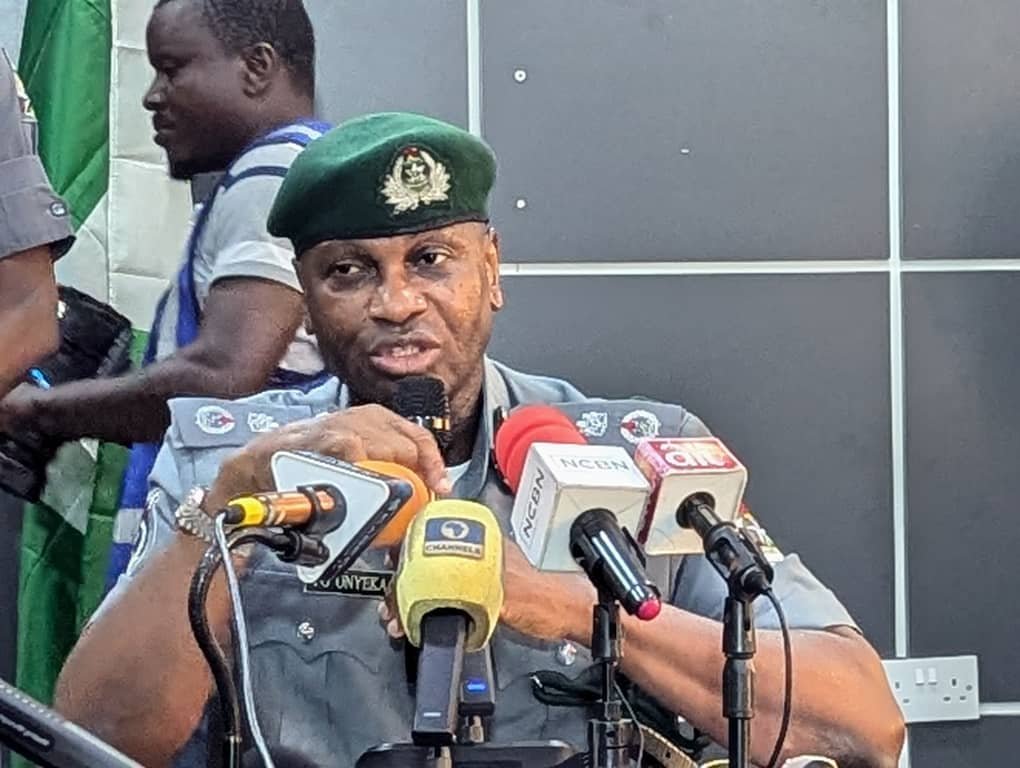
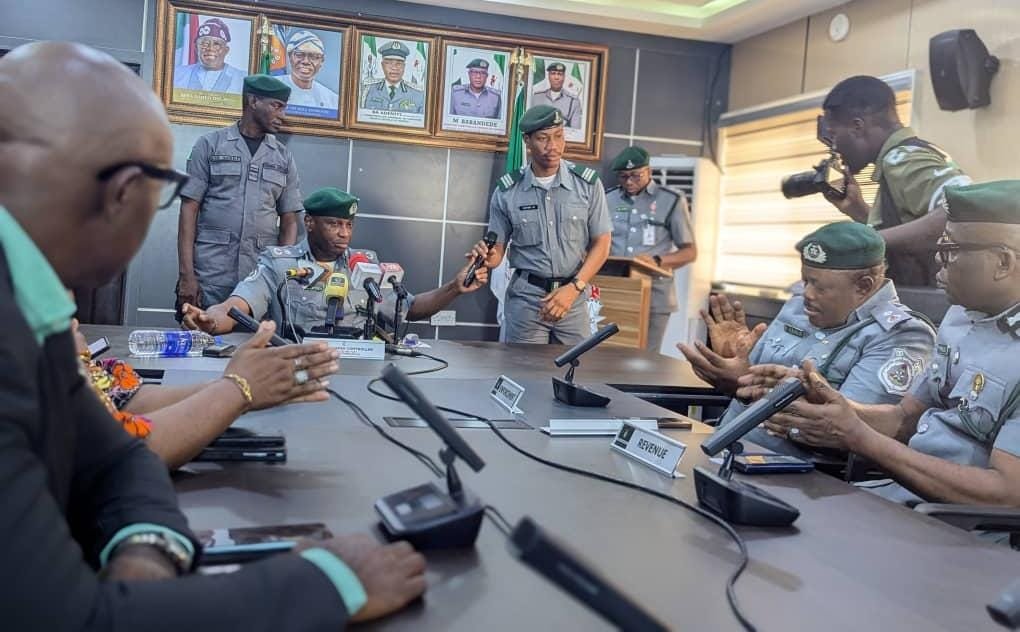
The announcement was made by the Customs Area Controller, Comptroller Frank Onyeka, during a year-end media briefing at the command’s headquarters in Lagos. Onyeka emphasized that this performance, achieved with revenue collection still ongoing until December 31st, was the result of deliberate strategy and systemic reform, not mere chance.
Decoding the Success: A Multi-Pronged Strategy
Comptroller Onyeka attributed the historic revenue collection to a disciplined focus on several key operational overhauls:
- Procedural Rigor & Technology Adoption: The command implemented “enhanced validation” and “delayed examination” protocols. This means goods declarations are scrutinized more thoroughly using data and intelligence before physical inspection, reducing opportunities for error or fraud. The success was heavily credited to the B’Odogwu Unified Customs Management System, a digital platform designed to streamline processes. Initial implementation challenges were overcome through stakeholder sensitization, demonstrating that technology alone is insufficient without user buy-in and training.
- Elimination of Systemic Bottlenecks: A critical reform was the removal of multiple and unnecessary alerts on cargo. Previously, a single shipment could be flagged by different units within customs, causing paralyzing delays and inconsistencies. By streamlining this into a coherent, single-check process, the command drastically cut clearance times, which in turn encouraged compliance and reduced the temptation for agents to seek illicit shortcuts.
- Stakeholder Synergy: Onyeka highlighted sustained engagement with importers, licensed agents, terminal operators, and shipping companies. This collaborative approach helped resolve operational challenges in real-time and built a foundation of trust, making the port environment more predictable for legitimate businesses.
- Internal Reforms First: Upon assuming office in December 2024, Onyeka’s administration conducted a diagnostic that revealed deep-rooted issues. He stated that the first step was to “fix internal procedures,” suggesting a focus on accountability, transparency, and standardizing officer conduct before demanding more from external stakeholders. This internal alignment proved to be a foundational step for the record performance.
Revenue and Enforcement: A Complementary Mandate
Importantly, Onyeka framed revenue growth and trade facilitation as complementary, not contradictory, goals. He argued that transparent and predictable processes naturally improve compliance, leading to higher revenue collection. This philosophy moves beyond a purely enforcement-centric model to one that incentivizes voluntary adherence to rules.
However, he was quick to dispel any notion that surpassing the target meant a relaxation of vigilance. The command maintained a strong enforcement posture, recording seizures of improperly declared and prohibited goods through intelligence-led operations. This underscores a balanced mandate: facilitating legitimate trade while rigorously suppressing smuggling and duty evasion.
Strategic Context and Future Outlook
This achievement must be viewed within the broader context of Nigeria’s economic and fiscal strategy. Customs revenue is a critical component of non-oil government earnings, and the performance of a major port like Tincan Island directly impacts national budgetary projections. The N1.57 trillion collected represents vital funds for public infrastructure, services, and economic development.
Comptroller Onyeka credited the strategic direction of the Comptroller-General of Customs, Dr. Bashir Adeniyi, anchored on professionalism, automation, accountability, and transparency. He also acknowledged his predecessor and the officers of the command for their dedication.
Looking ahead, Onyeka pledged to sustain the reforms, block remaining revenue leakages, and maintain the “one-stop-shop” clearance model. This model aims to consolidate all necessary clearance steps into a single, efficient process, further reducing the time and cost of doing business at the port. His reaffirmed core mandate remains a four-point agenda: revenue generation, suppression of smuggling, trade facilitation, and contributing to national security.
The Tincan Island Command’s 2025 performance sets a new benchmark, demonstrating that with strategic process innovation, stakeholder collaboration, and technological integration, Nigeria’s ports can become engines of both fiscal revenue and efficient trade.
Reported by Aisha Cole for the News Agency of Nigeria (NAN). Edited by Kamal Tayo Oropo.