By Aisha Cole
Lagos, Dec. 23, 2025 (NAN)
The Nigeria Customs Service (NCS) is on the cusp of a transformative leap in port operations, with the imminent deployment of the FS6000 cargo scanner at APM Terminals, Lagos, signaling the near-total elimination of physical cargo examinations at the nation’s busiest port, Apapa.
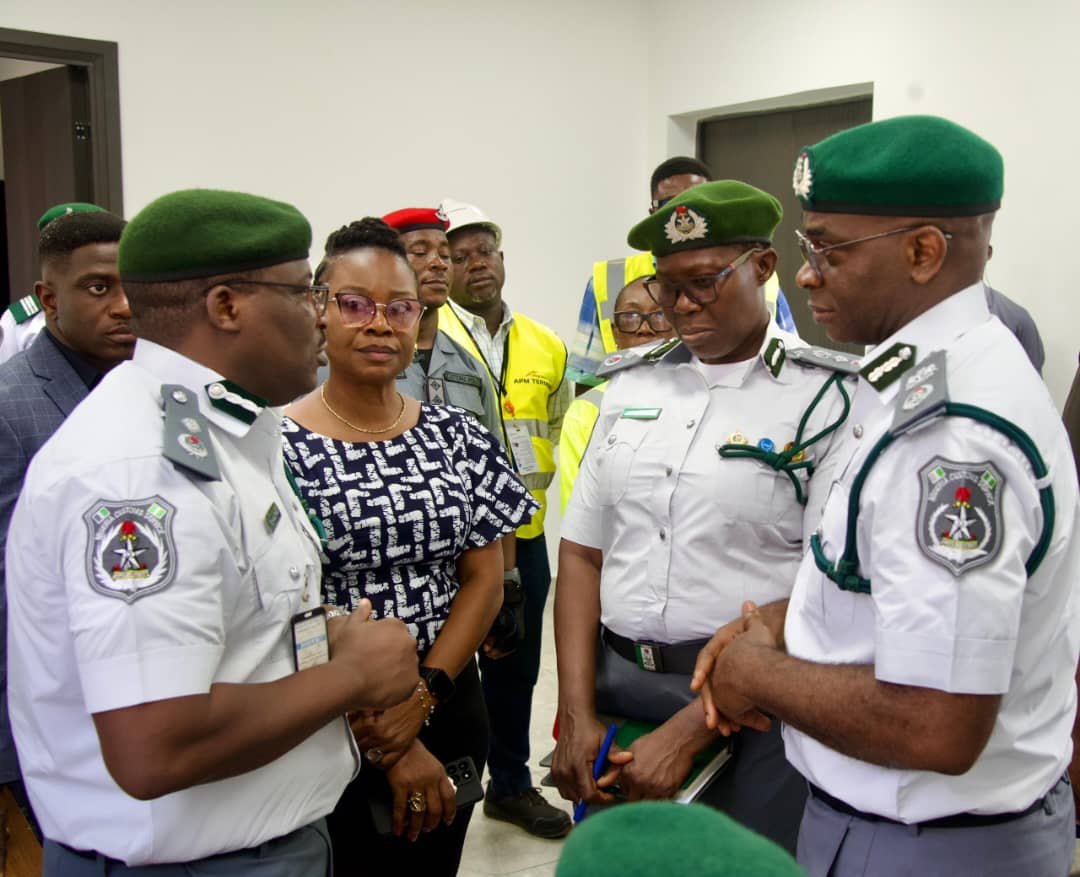
This landmark development, confirmed during a working visit by Deputy Comptroller-General of Customs in charge of ICT, Oluyomi Adebakin, represents the most significant operational shift at the port in decades. It moves Nigeria decisively towards a modern, non-intrusive inspection regime that aligns with global best practices in trade facilitation.
The Engine of Change: The FS6000 Scanner
The cornerstone of this revolution is the FS6000 scanner, a state-of-the-art fixed gantry system. Unlike the slow, manual process of offloading and inspecting containers—a method prone to delays, cargo damage, and potential security lapses—the FS6000 uses advanced X-ray technology to create detailed images of a container’s contents in minutes. Chief Superintendent of Customs Isah Sulaiman, the command’s Public Relations Officer, stated this initiative is a critical component of the broader transition to a fully paperless and non-intrusive clearance system.
Deputy Comptroller-General Adebakin revealed that the scanner has completed final test runs and simulation exercises, with overall preparedness estimated at 80%. “This is a critical step in modernising customs operations and improving efficiency at the nation’s busiest port,” she emphasized. The remaining 20% involves finalizing technical integrations, stakeholder training, and procedural adjustments to ensure a seamless transition.
Tangible Benefits for Trade and Revenue
The shift from physical to scanner-based inspection promises profound economic and operational advantages:
- Unprecedented Speed: The FS6000 boasts a throughput capacity of approximately 200 containers per hour. This is a quantum leap from the hours or even days required for a thorough physical examination of a single container. For importers and clearing agents, this translates directly to faster clearance times and drastically reduced demurrage costs, which have long been a major pain point in Nigerian ports.
- Enhanced Security and Compliance: Non-intrusive inspection is not just about speed; it’s about smarter enforcement. The scanner’s imaging can detect anomalies, contraband, and mis-declared goods with greater accuracy than a visual check, protecting government revenue and improving national security.
- Reduced Cargo Damage and Corruption Risks: Eliminating the need to physically unpack containers removes opportunities for goods to be damaged during handling. It also minimizes human contact with cargo, thereby reducing avenues for illicit practices and promoting transparency.
A Collaborative Modernisation Effort
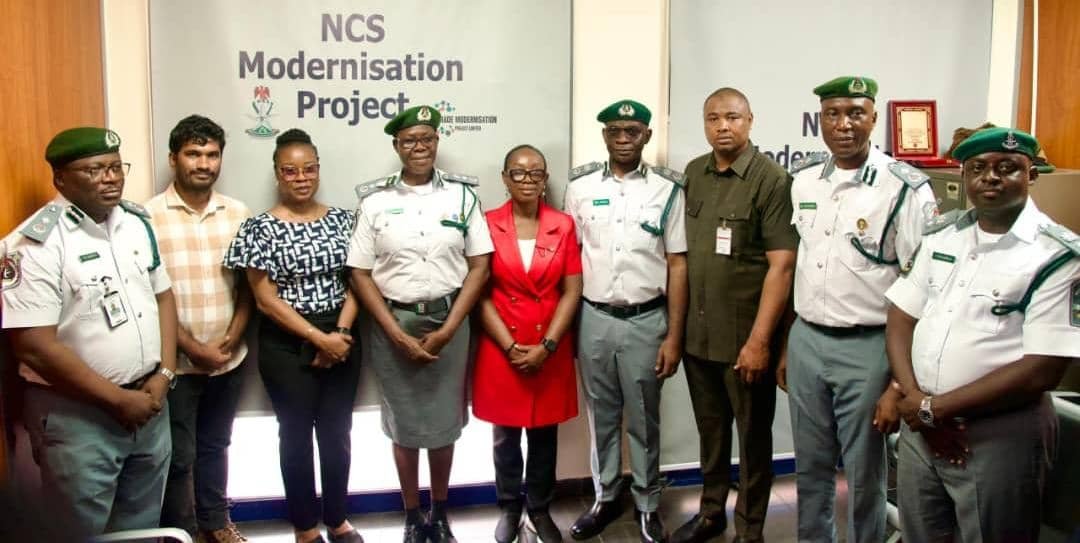
Adebakin stressed that scanner readiness is a shared responsibility involving a tripartite partnership between the Nigeria Customs Service, APM Terminals (the terminal operator), and the Trade Modernisation Project (TMP) team. This collaboration is essential for integrating the scanner’s data directly into the NCS’s electronic systems, ensuring a true end-to-end digital process.
Apapa Area Controller, Comptroller Emmanuel Oshoba, reaffirmed the command’s commitment to these ICT-driven reforms. “The scanner deployment underscores Customs’ resolve to modernise port operations, strengthen trade facilitation, and improve transparency at Apapa Port,” he stated. This move is a key deliverable under the broader Nigeria Customs Service Modernisation Project, which aims to automate all processes and integrate with other government agencies through a National Single Window.
The Road Ahead and Broader Implications
While the focus is currently on APM Terminals in Apapa, the successful deployment and operation of the FS6000 will serve as a critical blueprint for rolling out similar technology at other major ports like Tin-Can Island and Onne. The ultimate goal is a nationwide network of non-intrusive inspection equipment.
For Nigeria’s economy, this is more than an operational upgrade; it is a vital step in improving the country’s Ease of Doing Business index and Logistics Performance Index ranking. Efficient ports are the backbone of competitive trade, attracting investment and reducing the cost of goods for consumers.
The nearing end of physical checks at Apapa is not merely a procedural change—it is the dawning of a new, more efficient, and more transparent era for Nigerian maritime trade. The full activation of the FS6000 scanner will be a milestone watched closely by the entire West African trade community.
Edited by Kamal Tayo Oropo
========
AIC/KTO