By Chiazo Ogbolu
Lagos, Dec. 24, 2025
In a decisive move to tackle the persistent tragedy of boat accidents on Nigeria’s inland waterways, a senior official has pinpointed the root causes and outlined a multi-faceted remediation plan. Mr. Timothy Clement of the National Inland Waterways Authority (NIWA) identified a critical gap in technical knowledge and operational experience among boat operators as a primary driver of mishaps.
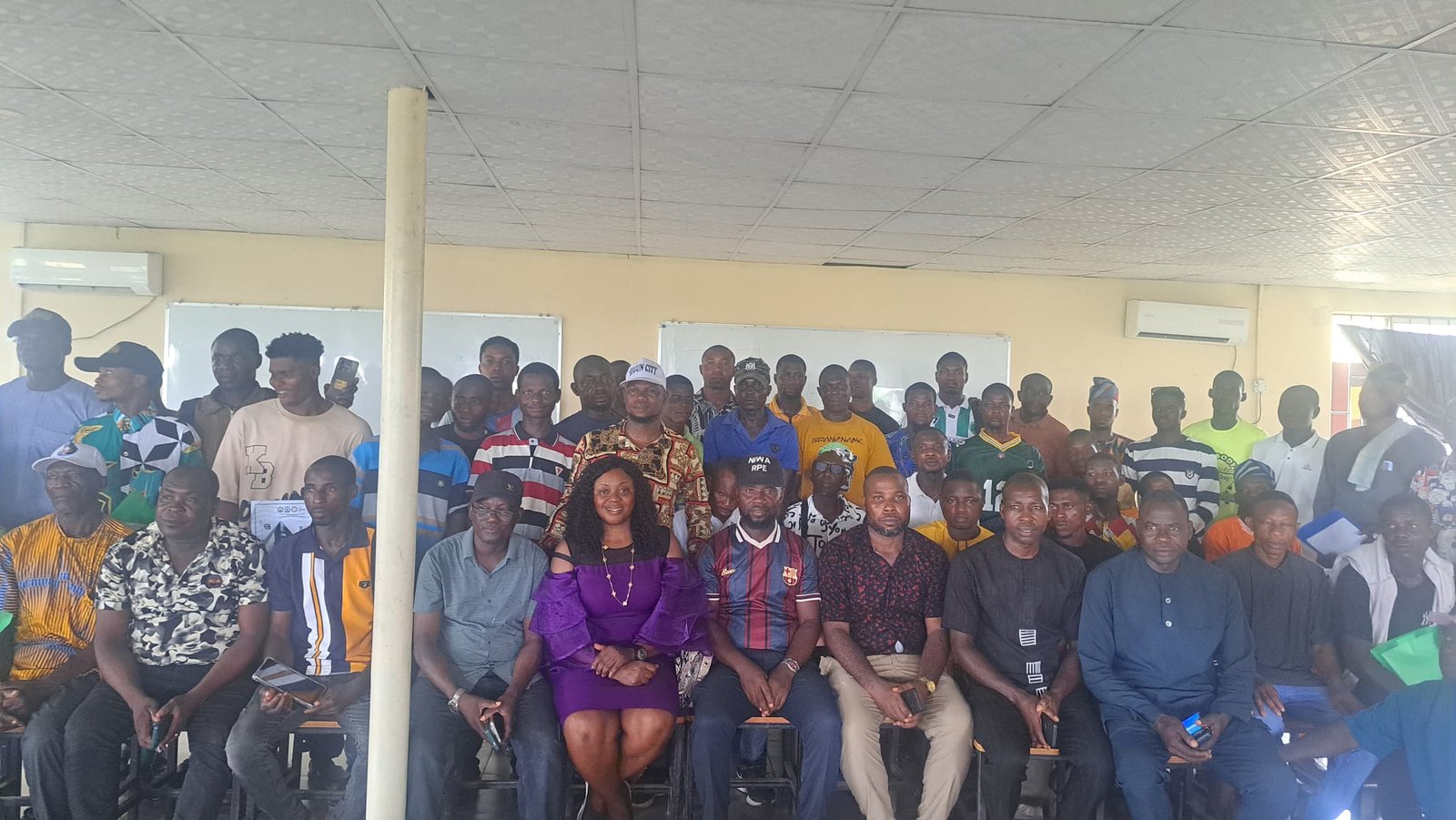
His analysis came during the closing ceremony of a three-day boat navigation and safety training for 75 boat drivers and skippers in Lagos, organized by the Federal Ministry of Marine and Blue Economy in collaboration with NIWA.
Beyond Human Error: A Systemic Challenge
While Clement’s statement focuses on operator competency, it hints at a broader systemic issue. “Limited technical knowledge” often stems from informal entry into the profession, where skills are passed down without standardized, certified training. “Insufficient experience” can be exacerbated by high demand and a shortage of qualified personnel, leading to the rapid promotion of crew. This creates a dangerous gap between responsibility and capability, especially during emergencies like sudden weather changes, engine failure, or passenger overload.
Clement emphasized that sustained, structured capacity-building is the cornerstone of the solution. “Training like this will help address the challenge,” he stated, underscoring the need for continuous professional development rather than one-off interventions.
NIWA’s Holistic Safety Strategy: More Than Just Training
The official detailed a comprehensive safety strategy extending beyond training:
- Infrastructure & Navigation Aid: Ongoing removal of submerged wrecks and debris to clear waterways and prevent catastrophic collisions.
- Grassroots Sensitization: Continuous awareness campaigns moving “from jetty to jetty” along major routes (CMS, Ikorodu, Badore, Badagry, Port Novo) to ingrain safe daily practices.
- Industry Collaboration: Actively encouraging boat owners and associations to release more staff for formal training, targeting a cultural shift towards valuing certification.
“We are encouraging operators to make more of their captains and skippers available for this kind of training,” Clement said, projecting that consistent effort would yield “improved safety on our waterways” within a year.
The Training Blueprint: Theory Meets Practice
Dr. Sileola Akinbowale, the Lead Trainer and Consultant, framed the programme as a “life-saving initiative.” Its effectiveness, she rated at 90%, was due to its hybrid design:
- Theoretical Knowledge: Classroom sessions covering regulations, weather interpretation, and navigation rules.
- Hands-On Skills: Practical, on-water exercises for boat handling, man-overboard drills, and emergency response—moving beyond mere theory.
This capacity enhancement is directly linked to the Certificate in Safe Boating and Navigation, a credential that formalizes competence. The training drew participants from key associations like the Maritime Workers Union, ATBOWATON, and WABOTAN, as well as operators from Lagos, Ogun, and Ondo states, ensuring wide impact.
On-the-Ground Impact: Voices from the Waterfront
Participants confirmed the training’s practical value. Lagos operator Wasiu Olalekan noted strengthened emergency response abilities. Biobaku John from Ondo State gained critical safety skills, while Pami Ronald from Ogun State detailed the curriculum: boat handling, safety procedures, first aid, emergency response, engine maintenance, and transport management.
A Sustained Path Forward
This initiative is not an isolated event. Dr. Akinbowale stressed that continuous capacity enhancement is critical. The programme aligns with investigative recommendations from former NIWA Managing Director Bola Oyebamiji’s tenure, indicating a data-driven approach to safety.
The concerted effort by the Ministry of Marine and Blue Economy and NIWA represents a paradigm shift—from reactive accident investigation to proactive investment in human capital and infrastructure. The ultimate goal is a systemic elevation of safety standards, professionalism, and public confidence in Nigeria’s vital inland water transport sector.
Edited by Oluwole Sogunle
Source: NAN