In a significant development in Nigeria’s ongoing fight against kidnapping and banditry, a joint military operation in Kogi State has yielded both rescue and grim discovery. On January 1, 2026, troops conducting anti-kidnapping operations successfully rescued five abducted victims but also uncovered the decomposing remains of others, highlighting the brutal reality of the security crisis.
This operation, reported by the News Agency of Nigeria (NAN), underscores the persistent threat posed by criminal gangs in Nigeria’s North-Central region and the critical role of military intervention in securing vulnerable communities.
The Operation: Intelligence, Projection, and Discovery
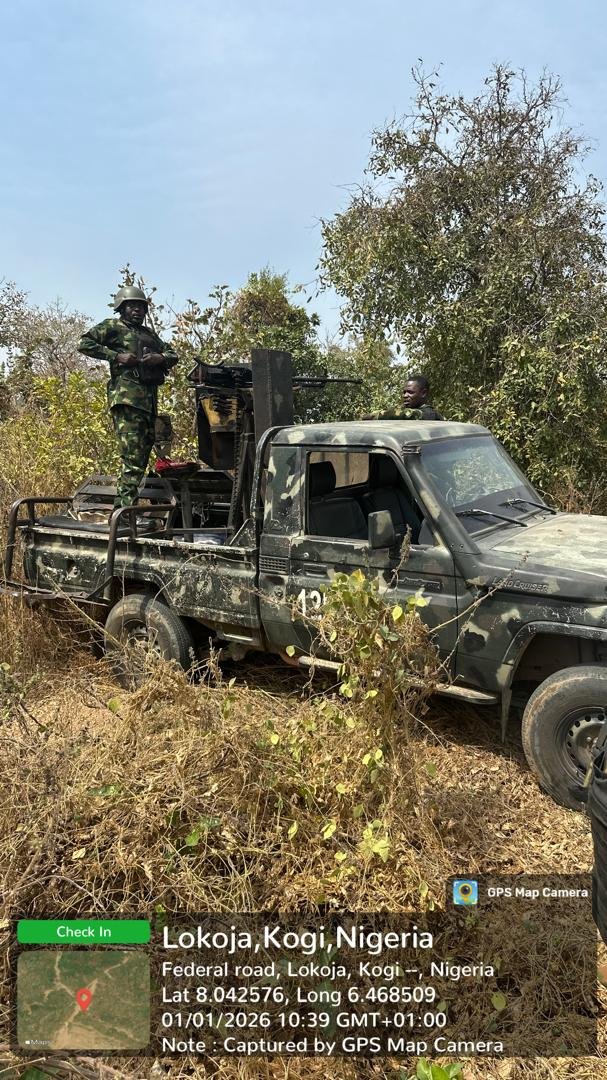
Acting on credible intelligence, troops from the Obajana and Kabba patrol bases projected a fighting patrol to Ankomi village in the Adankolo general area of Lokoja Local Government Area. The term “fighting patrol” indicates a proactive, offensive maneuver designed to seek out and engage threats, rather than a passive defensive posture.
Upon arrival, the patrol made a telling observation: the village, which had previously been occupied by bandits, was found destroyed and abandoned. This scene is a common tactic—criminals often use remote settlements as temporary bases, displacing residents and moving on to avoid sustained pressure from security forces.
The Rescue and the Grim Find
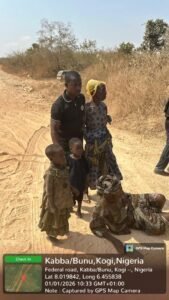
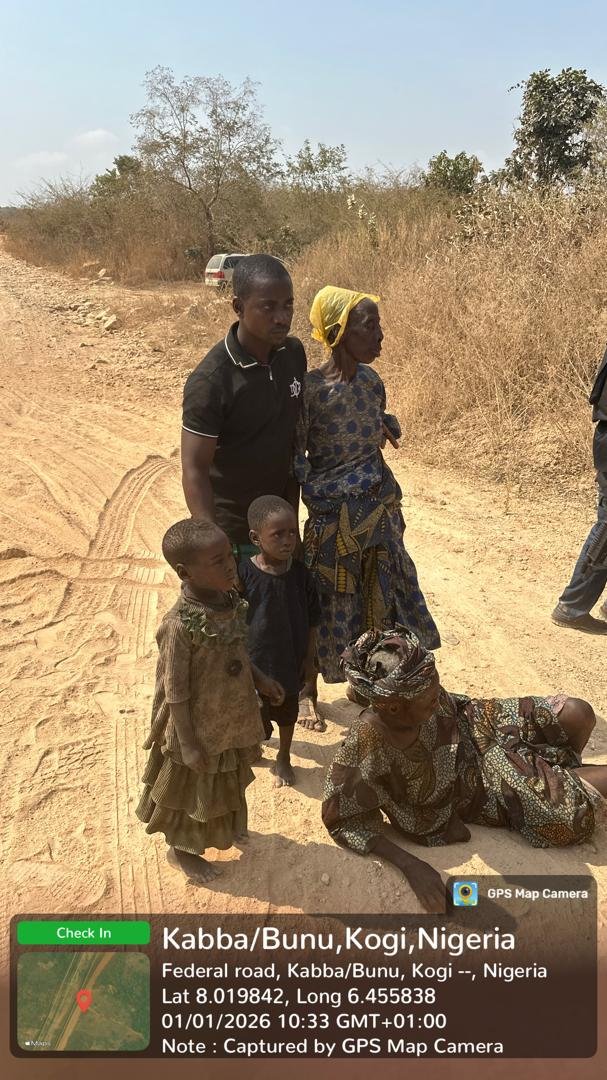
The troops extended their search to the river line, a terrain feature often used by kidnappers for movement, concealment, and access to water. There, they intercepted three women and two children. Preliminary debriefing confirmed they were victims of the Ayetoro Kiri kidnap incident, connecting this rescue to a specific prior crime and demonstrating the military’s follow-through on cases.
However, the operation took a somber turn. As troops further exploited the area—a military term for a thorough search following initial contact—they discovered two decomposing bodies. These are suspected to be other abducted persons who did not survive their ordeal. The recovery of one corpse and the ongoing effort to retrieve the other is a painstaking and forensically critical process, essential for providing closure to families and potentially gathering evidence.
Aftermath and Ongoing Efforts
The rescued victims are currently receiving necessary medical treatment at Fisayo Hospital in Obajana. Post-rescue medical care is vital, addressing not just physical injuries but also the onset of trauma. The deceased woman has been deposited at St. Joseph Mortuary in Kabba, beginning the formal process of identification and handing over to relatives.
Debriefing of the rescued victims is a crucial intelligence-gathering phase. Their information on captor numbers, routines, locations, and the status of other captives is invaluable for planning subsequent rescue missions. The military source aptly described the general security situation as “calm but unpredictable,” a phrase that captures the fragile and volatile nature of security in regions plagued by such violence.
Context and Broader Implications
This operation is not an isolated event. Kogi State, strategically located at the confluence of Nigeria’s major regions, has seen a rise in kidnap-for-ransom activities, often linked to the wider insecurity in the neighboring North-West. The discovery of bodies is a tragic reminder of the high stakes involved; kidnappings frequently end in tragedy if ransoms are not paid or rescue operations are delayed.
The report that troops’ morale and fighting efficiency remain “satisfactory” is a key detail, indicating sustained operational capability. The commitment to ongoing operations to rescue remaining victims signals a continued campaign rather than a one-off success.
This incident reinforces the critical need for robust, intelligence-driven military operations, improved security for rural communities, and broader socio-economic initiatives to address the root causes of banditry and kidnapping in Nigeria.
Source: News Agency of Nigeria (NAN) (www.nannews.ng)
Edited by Abiemwense Moru