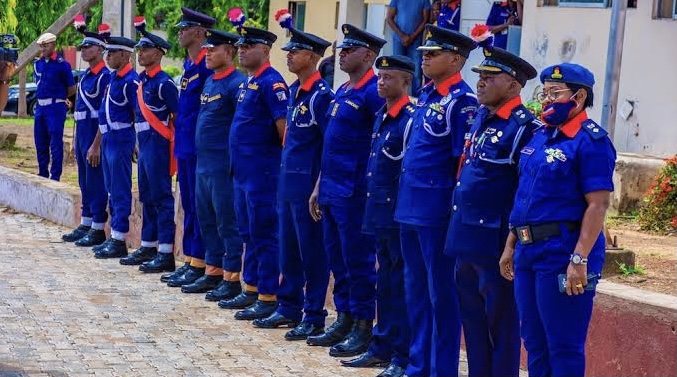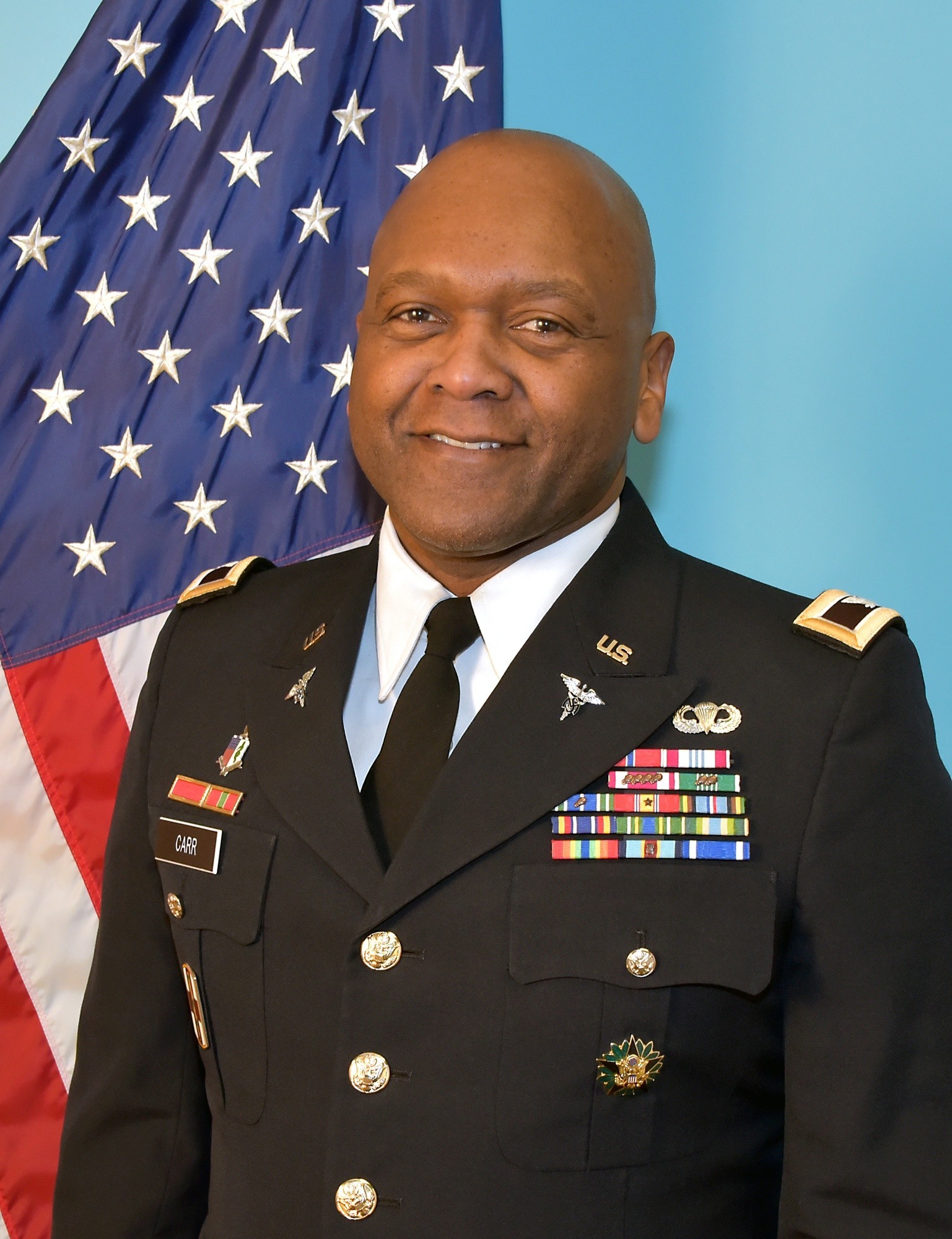
In a high-stakes operation on January 5, 2026, troops from Operation SAFE HAVEN (OPSH) executed a successful rescue mission, freeing retired Colonel Victor Ajanaku from kidnappers in Plateau State. This incident, involving a former senior military officer, highlights the persistent security challenges in Nigeria’s Middle Belt and offers a revealing case study in modern counter-kidnapping tactics.
The Abduction: A Targeted Attack
At approximately 12:45 a.m., gunmen breached the residence of Col. Ajanaku, located opposite the Salvation Army Church along Rukuba Road in Bassa Local Government Area. The targeting of a retired colonel is significant; it suggests the kidnappers were either seeking a high-value ransom or intending to make a bold statement. Such attacks on military veterans, even retired, strike at the heart of perceived security and can be intended to undermine public confidence in state institutions.
The Response: Integrated Pursuit and Intelligence
The military’s response was rapid and multi-faceted. Troops from Sectors 1 and 3 of OPSH immediately mobilized, tracking the kidnappers’ withdrawal route through the rugged Wildlife Park axis. Crucially, this was not a standalone army operation. Success hinged on a collaborative model that included:
- Defence Intelligence Agency (DIA) Tracking Team: Providing specialized signals intelligence, geolocation, and technical surveillance.
- Local Vigilantes: Offering indispensable local knowledge of terrain, footpaths, and suspected criminal hideouts within the caves and rocky high grounds.
This fusion of conventional military power, national-level intelligence, and hyper-local insight represents the modern blueprint for effective counter-insurgency and anti-kidnapping operations in complex terrains.
The Crisis Point: Ransom Demands and a Tactical Pivot
By 2:00 p.m., the kidnappers contacted the colonel’s wife, demanding a N200 million ransom. More critically, they issued a threat: the continued overt military pursuit would result in the execution of the hostage. This is a common and perilous juncture in kidnapping scenarios, forcing security forces to balance assertive pressure with the paramount need to preserve the victim’s life.
The military’s decision here was telling. Instead of a full withdrawal, they executed a tactical shift to covert operations. This likely meant reducing visible troop presence, using plainclothes or small, specialized teams, and intensifying surveillance to lull the kidnappers into a false sense of security while maintaining relentless pressure.
The Rescue: A Covert Success
The covert strategy proved effective. By 5:30 p.m., just hours after the ransom threat, Col. Ajanaku was rescued on the outskirts of the Rafiki axis in Bassa LGA. The swift resolution suggests the covert teams were able to pinpoint the location without triggering a lethal reaction from the captors. The retired officer was immediately taken to the OPSH Medical Centre for essential medical evaluation and psychological first aid, a critical step following such a traumatic ordeal.
Beyond the Rescue: Intelligence and Follow-Through
The operation’s value extends beyond the successful rescue. As stated by the military, Col. Ajanaku will be debriefed to obtain actionable intelligence. This post-rescue process is vital. A debrief can reveal details about the kidnappers’ methods, communication networks, hideout structures, and potential links to larger criminal or insurgent groups. This intelligence directly fuels follow-up operations, as troops continued aggressive combing of the surrounding forests to apprehend the fleeing perpetrators.
Analysis and Context
This rescue demonstrates several key points about Nigeria’s security landscape:
- Inter-Agency Cooperation Works: The synergy between OPSH, DIA, and local vigilantes was a decisive factor.
- Tactical Flexibility is Key: The ability to pivot from an overt pursuit to a covert operation in response to a threat shows adaptive command and control.
- The Kidnapping Epidemic Continues: That a retired senior officer was not immune to this crime underscores its pervasive nature, affecting all strata of society.
- Intelligence is a Cycle: The operation will generate new intelligence, creating a feedback loop to prevent future incidents and disrupt kidnapping networks.
While a tactical victory, the abduction of Col. Ajanaku is a stark reminder of the security work that remains in Plateau State and across Nigeria. The professional execution of this rescue, however, provides a valuable template for future operations aimed at protecting citizens and dismantling criminal enterprises.
Report sourced from the News Agency of Nigeria (NAN). Edited for context and analysis.