
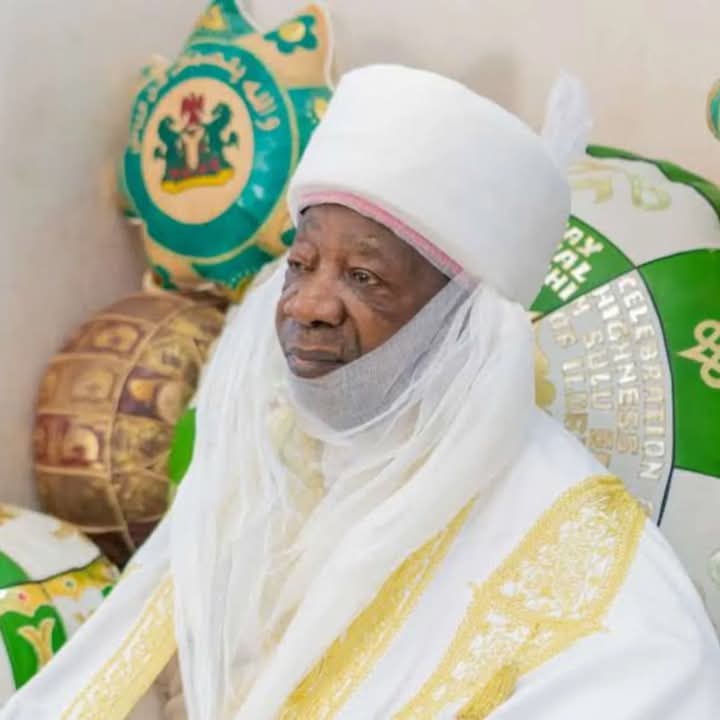
The Ilorin Emirate and Nigeria’s agricultural sector are in mourning following the passing of a key figure. His Royal Highness, Alhaji Ibrahim Sulu-Gambari, CFR, the Emir of Ilorin, has expressed profound grief over the death of Engr. Abdulgafar Kamal, the Executive Director of the National Centre for Agriculture and Mechanisation (NCAM). The monarch’s condolence message, delivered through his spokesman Dr. Abdulazeez Arowona, underscores the significant loss felt at both community and national levels.
Engr. Kamal, who died on Wednesday, January 7, 2026, was laid to rest the same day at the Muslim cemetery in Okoolowo, on the outskirts of Ilorin. The burial was attended by hundreds of sympathisers, a testament to the high esteem in which he was held.
Deeper Context: The Significance of NCAM and Its Leadership
To fully appreciate this loss, one must understand the critical role of NCAM. As a premier research and development institute under the Federal Ministry of Agriculture and Rural Development, NCAM is tasked with designing, adapting, and promoting appropriate agricultural machinery and technologies to boost food production in Nigeria. The death of its Executive Director, therefore, represents a major disruption in the nation’s drive toward agricultural mechanization and food security—a cornerstone of the country’s economic diversification agenda.
In his message, Emir Sulu-Gambari described Engr. Kamal’s passing as “a great loss to the Ilorin Emirate and humanity in general.” This phrasing highlights the dual impact of the loss: locally, as a cherished son and leader, and broadly, as a public servant whose work aimed to benefit the nation. The Emir specifically extended his condolences to the deceased’s wife, children, immediate and extended family, the Khalifatul Adabiyah, and the entire Adabiyah movement—a religious and educational organization within the Ilorin community—pointing to Kamal’s deep-rooted spiritual and social affiliations.
A Pillar of the Community: Beyond the Official Title
The Emir eulogized the late Director as “a resourceful member of the Ilorin Emirate.” This speaks to Kamal’s active involvement beyond his federal appointment. Individuals in such positions often serve as crucial bridges between national institutions and local development, facilitating projects, attracting resources, and mentoring youth. His death creates a void in this vital linkage.
The monarch concluded with traditional Islamic prayers, asking Almighty Allah to “forgive his shortcomings, accept his good deeds and admit him into Al-janatul firdaos (the highest paradise).” This spiritual send-off reflects the cultural and religious fabric of the community and offers solace to the bereaved.
Looking Forward: The Challenge of Continuity
While the immediate focus is on mourning, Engr. Kamal’s passing raises important questions about succession and continuity at NCAM. The Centre’s work in developing affordable tractors, planters, harvesters, and processing equipment is vital for reducing drudgery, increasing farm yields, and curbing post-harvest losses. The swift appointment of a capable successor will be essential to ensure that ongoing projects and national agricultural mandates do not lose momentum. The legacy of Engr. Abdulgafar Kamal will be measured not only by the grief of his passing but by the sustained impact of the institution he led.
Reported by Mujidat Oyewole for the News Agency of Nigeria (NAN).


