
As the 2025 Christmas season approaches, a profound annual migration unfolds across Nigeria. In the Federal Capital Territory (FCT) and beyond, millions are making a calculated, often costly, decision: to journey home despite formidable obstacles. This pilgrimage, driven by deep-seated cultural imperatives, presents a stark portrait of resilience, sacrifice, and the complex socio-economic realities of modern Nigeria.
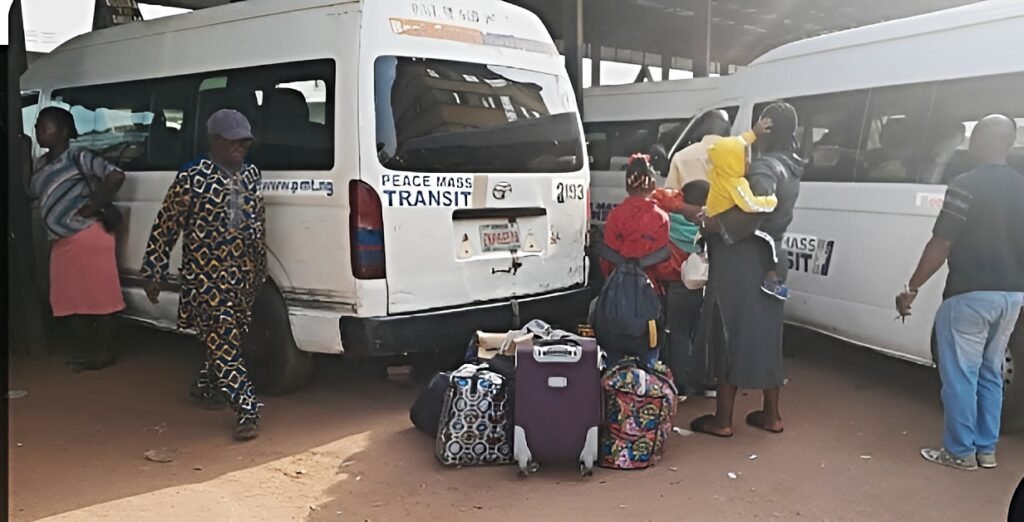
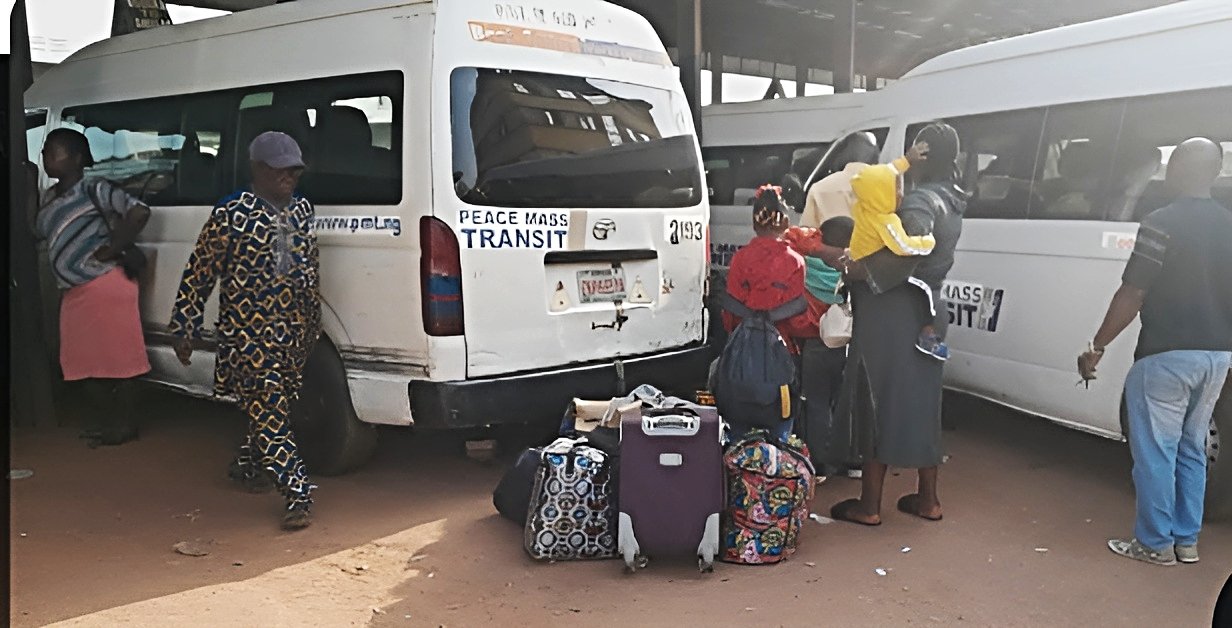
At transport hubs like the Peace Mass Transit Park in Bwari, Abuja, the tension between desire and danger is palpable. Travellers, laden with luggage and hope, articulate a conviction that transcends practical concerns. For them, Christmas is not merely a holiday; it is a cornerstone of identity and an immutable tradition.
The Non-Negotiable Pull of Home
“I go home for Christmas every year because my family is in the East and I have been working in Abuja throughout the year,” explains Mr. Mathew Okah. His sentiment echoes a nationwide ethos. “I travel not just to see them, but also to rest. There is no place like home.”
This journey is multifaceted. It is a spiritual reset, a reconnection with roots, and a critical fulfilment of social contracts. “Family time is sacred,” Okah continues. “You get to see your aged parents, take home something to celebrate with them, and reunite with extended family members.” Beyond the personal reunion, travelling home enables the fulfilment of cultural and communal obligations—participating in village meetings, contributing to community projects, and strengthening kinship ties that form the bedrock of Nigerian society.
For Mrs. Victoria Jacob, travelling with her children, it is a necessity for holistic living. “I always feel like I am missing a part of life if I stay back in Abuja during the festivities,” she shares. This feeling of incompletion speaks to the deep psychological and emotional significance of the seasonal return.
The Steep Price of Passage
The commitment to travel comes with a severe financial toll. A NAN correspondent observed fares from Bwari to southern and eastern states ranging from N60,000 to N80,000 per passenger—a sum that represents a significant portion of many monthly incomes. In contrast, fares to nearby northern destinations like Kaduna were between N8,000 and N10,000, highlighting the premium on long-distance travel to specific regions.
“Although the cost of transportation is painful,” Jacob admits, “people accept the doubling or tripling of fares because it is a yearly sacrifice.” This normalization of hyper-inflated seasonal fares underscores a troubling economic reality where transport operators capitalize on inelastic demand, knowing the cultural pressure to travel is immense.
Navigating the Shadow of Insecurity
Perhaps the most grave consideration is security. With reports of kidnappings and attacks on inter-state roads, travellers embark with a mix of faith and strategy. “We have survived worse situations. God will protect us,” says Jacob, voicing a common reliance on divine providence. “We just have to avoid night travel and unsafe routes while we pray and trust God for safety.” This “managed risk” approach—traveling at dawn, using approved routes, and staying vigilant—has become an ingrained part of the travel ritual for many.
The Counter-Narrative: Choosing to Stay Back
Not everyone makes the journey. Mr. Kelechi John, a resident of Bwari, represents a growing, if quieter, cohort opting out. He cites insecurity, financial strain, and work commitments as decisive factors. More critically, he points to the social pressure that drives others. “Some people travel due to cultural pressure or fear of being judged for ‘forgetting home,'” he notes. This pressure, he argues, can lead to financially debilitating and risky trips that are more about social compliance than genuine desire.
His pragmatic stance—”Let’s stay alive first; the village will still be there. We will plan when fares drop and the rush is less”—highlights an alternative modernity where digital connections and postponed visits challenge the mandate of physical presence.
A National Ritual Under Strain
The annual Christmas migration is more than a travel trend; it is a cultural thermometer. The willingness to brave soaring costs and palpable danger reveals the enduring power of familial and communal bonds in Nigerian life. Yet, the voices of those staying back, coupled with the sheer economic burden, signal a system under severe strain. It raises urgent questions about transportation infrastructure, security on federal highways, and the economic models that exploit cultural faithfulness.
Ultimately, the queues at parks like Bwari tell a story of unwavering belief—a belief that home, however distant or dangerous the path, remains the true destination of the season. The journey itself, fraught as it is, becomes a testament to what Nigerians value most: connection, heritage, and the sacredness of family, against all odds.
Edited for depth and context to provide a comprehensive analysis of the socio-cultural and economic dimensions of Nigeria’s Christmas migration.

