
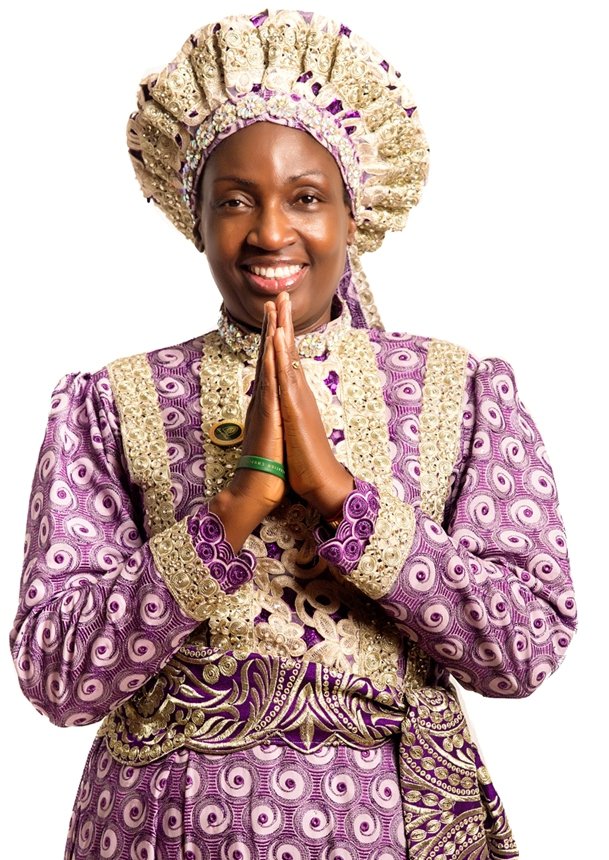
In a Christmas Day sermon that blended spiritual exhortation with a message of national resilience, Reverend Armstrong Ajayi, Minister in charge of the First Baptist Church in Kano, has projected a future of hope for Nigeria. Addressing congregants and, by extension, a nation grappling with multifaceted challenges, Rev. Ajayi declared with conviction that the year 2026 will usher in a season of renewed hope and divine blessings.
The sermon, delivered against the backdrop of the Christmas celebration, served as a poignant reminder of the holiday’s core themes. “The birth of Jesus Christ signifies joy, hope, and salvation for mankind,” Rev. Ajayi stated. “Christ came to bring relief and redemption, not suffering.” He anchored his optimistic outlook for 2026 in this theological foundation, arguing that the same divine power that orchestrated the nativity is actively at work in the world today. “There is still hope for Nigeria’s betterment,” he emphasized, “because nothing is impossible for God.”
Rev. Ajayi’s message moved beyond mere optimism to address the practical and spiritual posture required of citizens. He acknowledged the “numerous challenges confronting the country,” a nod to the socio-economic and security issues familiar to many Nigerians. In response, he did not offer a simplistic solution but pointed to a posture of steadfast faith. “God alone understands what humans do not know, describing Him as the finisher of all things,” he noted, encouraging a trust that transcends immediate circumstances.
The clergyman’s prescription for the path forward was twofold: inward devotion and outward action. Firstly, he urged Nigerians to “remain steadfast in prayers and focus on God,” framing spiritual discipline as a source of strength and perspective. Secondly, he issued a direct call to Christians to embody the virtues of the season in their communities. “Go out and share the love of Jesus Christ, preach peace, and forgive one another,” he urged. This charge to demonstrate “love, forgiveness, and peaceful coexistence” positions individual transformation as a catalyst for broader societal healing.
In essence, Rev. Ajayi’s sermon reframes the common New Year’s sentiment of hope. It is not presented as a passive wish, but as a hope rooted in divine promise and activated through human agency. His vision for a “brighter” 2026 is contingent on a collective turn toward faith, love, and forgiveness. The message, delivered from a historic church in the diverse and populous city of Kano, stands as a significant intervention in the national discourse, offering a spiritual framework for endurance and anticipation in trying times. The call is clear: as believers commemorate the hope born at Christmas, they are to become active participants in making that hope a tangible reality for Nigeria in the year to come.

