In a powerful testament to the possibility of religious harmony, hundreds of Muslims from across Northern Nigeria joined their Christian neighbors for a Christmas Day service at the Christ Evangelical and Life Intervention Ministry in Kaduna on Thursday. This annual event, now in its 15th year, has evolved from a local gathering into a significant regional symbol of peace, drawing participants from all 19 Northern states and representing a diverse cross-section of Islamic traditions.
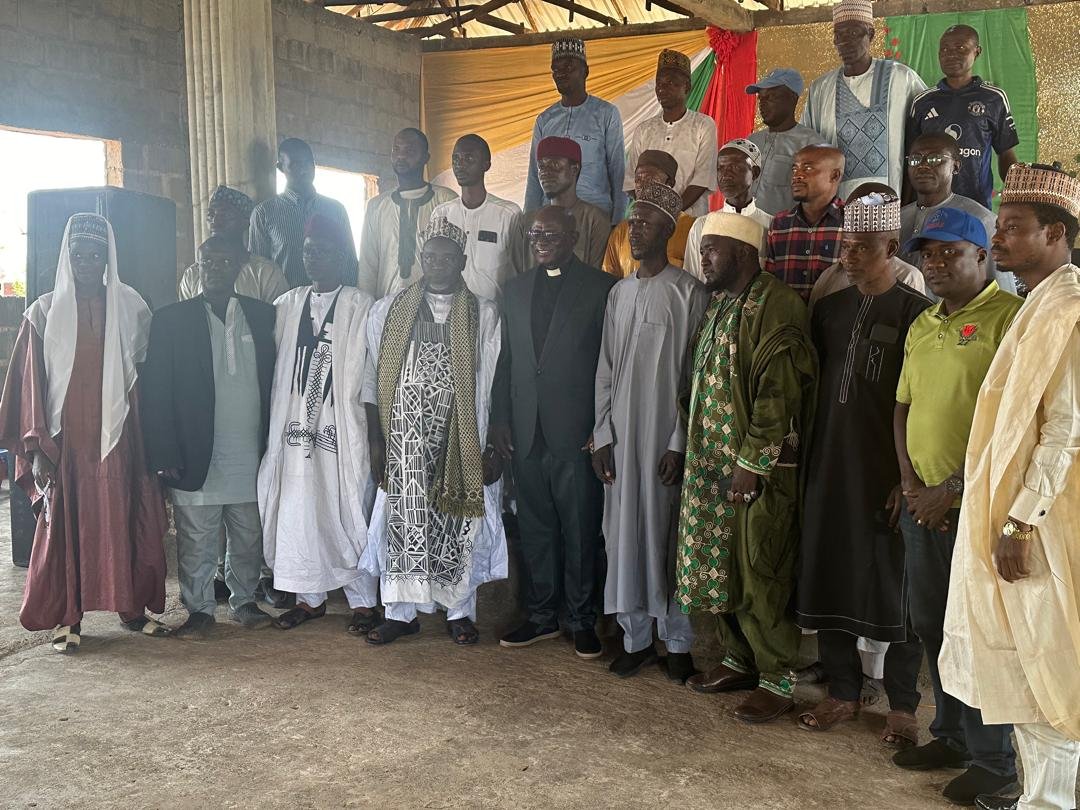
The service, organized by General Overseer Pastor Yohanna Buru, is a deliberate and sustained effort to build bridges in a region often scarred by sectarian violence. What makes this gathering particularly noteworthy is its inclusivity. Attendees were not just nominal Muslims, but included members of the Tijjaniyya Sufi order, followers of the Islamic Movement in Nigeria (the Shi’ite group), and Sunni Muslims—groups that themselves have experienced tensions. Their collective presence to celebrate the birth of Jesus Christ (known as Prophet Isa in Islam) underscores a shared prophetic heritage often overlooked in public discourse.
“This tradition is built on the fundamental recognition that we are all children of Adam and Eve,” explained Pastor Buru. “We worship one God, revere holy books, and believe in divine accountability. These are not just theological similarities; they are a foundation for practical coexistence.” The event featured Muslim delegations presenting gifts to the church, tangible symbols of friendship that move interfaith dialogue from theory to lived experience.
The 2025 gathering carried added weight, occurring against a backdrop of severe national challenges: economic hardship, food insecurity, poverty, and persistent violence. The clerics framed interfaith solidarity not as a peripheral social activity, but as a critical component of national stability. “In times of crisis, division is a luxury we cannot afford,” Buru emphasized, calling for intensified prayers and communal support for security forces.
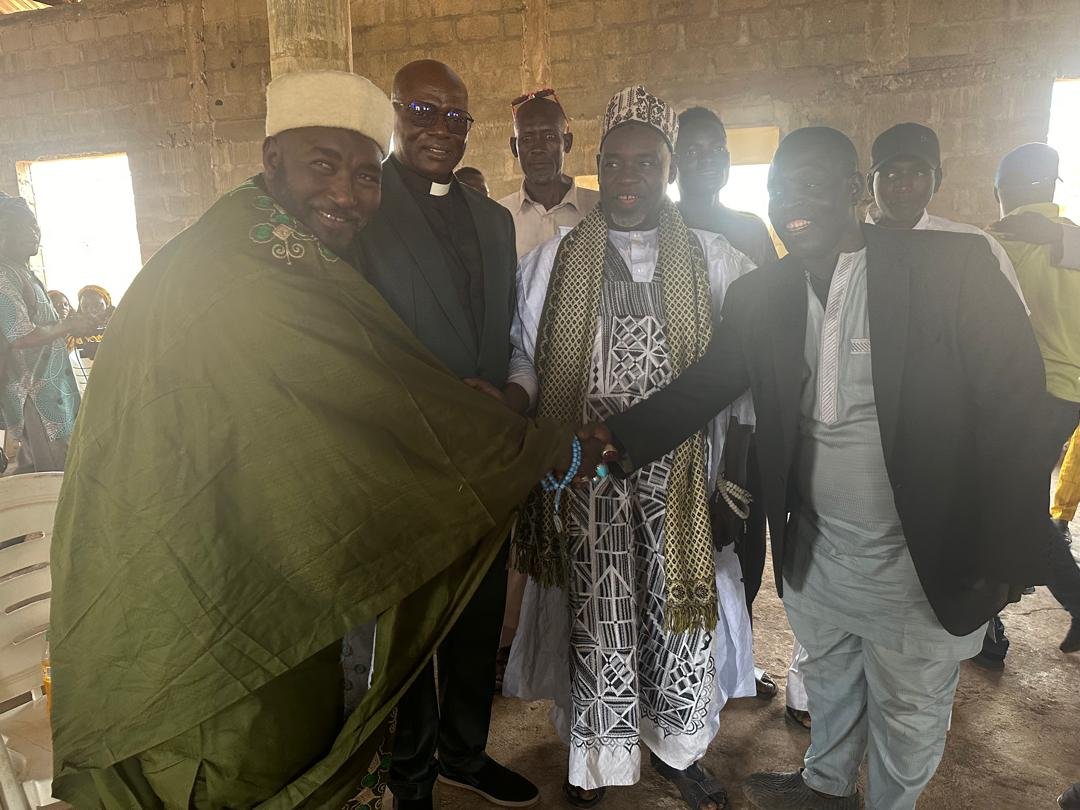
Islamic scholars at the event provided crucial theological context for Muslim participation. Sheikh Salihu Mai-Barota and Imam Ibrahim Musa highlighted that respect for Jesus is deeply embedded in Islamic tradition; the Quran venerates him as a righteous prophet, born of the Virgin Mary. This shared reverence provides a legitimate theological platform for celebration, countering extremist narratives that demand absolute separation.
Imam Musa also revealed a reciprocal practice: just as Muslims attend Christmas services, Christians are invited to celebrations marking the birth of Prophet Muhammad (Mawlid). This two-way exchange transforms the relationship from one of mere tolerance to active mutual respect. The impact of this work has gained international recognition, with Pastor Buru being a recipient of the prestigious United Nations World Interfaith Harmony Week Award, presented by King Abdullah II of Jordan in 2022.
Beyond symbolism, the event addressed concrete social ills. Speakers like Sheikh Ahmed Rufai and Mallam Lawal Maduru directly warned youths against the twin dangers of drug abuse and the weaponization of social media through fake news—both identified as fuels for violence. This holistic approach connects spiritual unity with practical peacebuilding.
This Kaduna Christmas service stands as a compelling counter-narrative. In a world often defined by religious conflict, it demonstrates that sustained, leader-driven initiative can create spaces where faith becomes a binding force rather than a dividing line. It proves that solidarity is not the absence of difference, but the conscious choice to celebrate common humanity in the midst of it.
(Source: NAN News)