In a vital initiative to protect a vulnerable workforce, the Association of Scrap and Waste Pickers of Lagos (ASWOL) has conducted a comprehensive Train-the-Trainer programme on Occupational Health and Safety (OHS). This effort directly addresses the severe and often overlooked hazards faced by thousands of informal waste collectors in Nigeria’s most populous city.
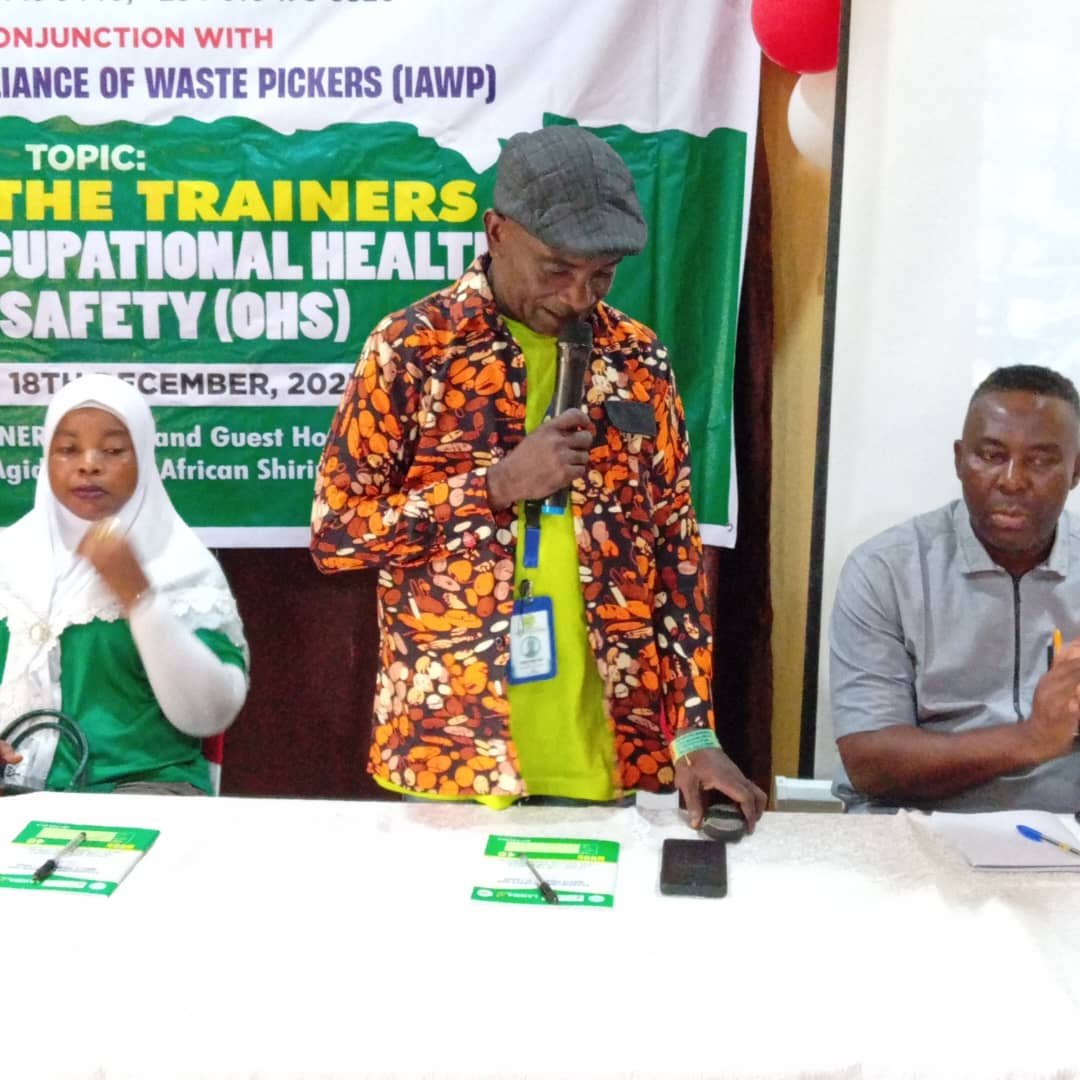
The training, held on Thursday, December 18, 2025, represents a strategic move to create a ripple effect of safety knowledge. By training key members as trainers, ASWOL aims to disseminate crucial health information far more effectively than a single session could achieve.
Confronting Invisible Dangers
Mr. Friday Oku, President of ASWOL, underscored the urgent need for the programme. “Waste pickers are the frontline soldiers of urban recycling and waste management, yet they operate in a constant state of exposure,” he stated. The risks are multifaceted and severe:
- Biological Hazards: Contact with medical waste, animal carcasses, and rotting organic matter can lead to infections, tetanus, and respiratory illnesses.
- Chemical Hazards: Exposure to residues from pesticides, cleaning agents, and heavy metals in electronic waste can cause poisoning, skin diseases, and long-term organ damage.
- Physical Hazards: Cuts from broken glass and metal, musculoskeletal injuries from lifting heavy loads, and accidents involving compaction vehicles are daily threats.
The core objective, Oku explained, is to move members from unawareness to proactive protection. “It’s about transforming their mindset. They must understand that the waste they handle to earn a living can also take their health if they are not careful.”
Beyond Gear: The Challenge of PPE Compliance
A significant portion of the training focused on the proper use of Personal Protective Equipment (PPE)—a major gap in the sector. Oku highlighted a common but dangerous paradox: “Even when gloves, boots, or overalls are provided, compliance is poor. Some find them uncomfortable in the Lagos heat; others don’t fully grasp the consequence of skipping protection.”
The programme tackled this by not just distributing equipment but providing context. For example, trainers demonstrated how a simple, improperly removed glove could transfer bacteria from the waste to the worker’s hands and subsequently to their food, linking daily practice directly to health outcomes.
A Call for Systemic Support and Formalization
Oku positioned the training within a broader appeal for systemic change. He called for:
- Government Action: “We urge regulatory bodies to strengthen monitoring and enforcement of safety standards in waste management. This isn’t just about rules—it’s about recognizing waste pickers as legitimate workers deserving of a safe environment.” Formal recognition would facilitate access to healthcare, insurance, and social security.
- Private Sector Partnership: Noting the donation of PPE from Coca-Cola, Oku appealed for more corporate support, particularly from the Fast-Moving Consumer Goods (FMCG) sector. “These companies produce the packaging that ends up in the waste stream. Supporting the safety of those who collect it is a powerful form of Extended Producer Responsibility (EPR).”
Building a Safer, Stronger Network
Parallel to the safety drive, ASWOL is intensifying efforts to formalize its membership by registering waste pickers across all Lagos local governments—free of charge. This registration is a critical step. It transforms an invisible, fragmented workforce into a identifiable group that can be reached with training, welfare programmes, and advocacy. A registered, trained workforce is also more valuable to the formal recycling economy, creating pathways for better integration and fairer compensation.
The session, attended by over 100 participants, culminated in the distribution of overalls, building on previous distributions of boots and gloves in April. This phased approach to equipping members demonstrates a sustainable model of incremental improvement.
Edited by Sandra Umeh
This report by the News Agency of Nigeria (NAN) highlights a crucial intersection of public health, workers’ rights, and sustainable urban management. The empowerment of waste pickers through safety knowledge is not just an act of charity; it’s an investment in the resilience of the city’s essential waste management ecosystem.