In a powerful demonstration of survivor-centered intervention, the Devatop Centre for Africa Development has equipped 21 survivors of abuse, exploitation, and violence with the tangible tools for a new beginning. This initiative, however, represents far more than a simple distribution of materials; it is a critical component of a holistic model for healing and economic independence that challenges the traditional, short-term approach to survivor support.
Beyond Rescue: The Imperative for Long-Term Empowerment
Speaking at the event in Abuja, the organization’s Executive Director, Mr. Joseph Osuigwe, articulated a philosophy that is often missing in post-rescue scenarios. Represented by Mr. Akpana Betiang, Osuigwe emphasized Devatop’s commitment to “holistic support beyond rescue.” This is a crucial distinction. For many survivors, the moment of rescue or escape is just the first step in a long, arduous journey. Without a viable pathway to economic self-sufficiency, survivors remain vulnerable to re-exploitation, poverty, and the psychological toll of dependency. Devatop’s programme directly addresses this gap by focusing on “long-term empowerment and pathways to self-reliance,” recognizing that true freedom is economic as well as physical.
Tailored Support: Recognizing Individual Aspirations
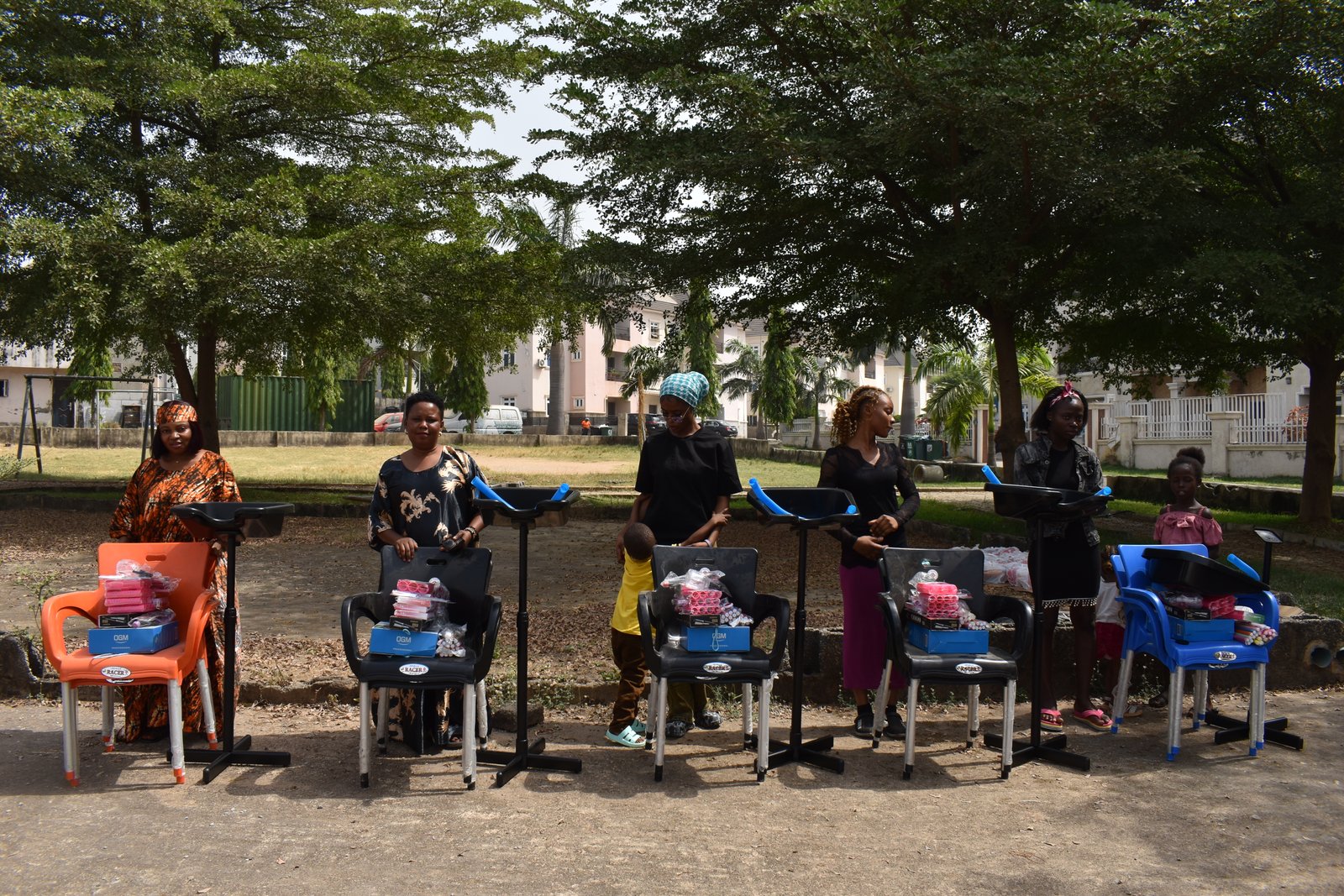
The programme’s effectiveness is rooted in its personalized approach. The empowerment kits were not generic handouts but were “provided based on the individual needs and aspirations of each beneficiary.” This survivor-centric methodology ensures that support aligns with a person’s skills, interests, and local market opportunities, significantly increasing the likelihood of sustainable success. The distribution breakdown provides a clear picture of this tailored strategy:
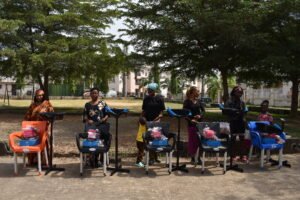
- Hairdressing Tools: Provided to 5 survivors, offering entry into a high-demand service industry with low startup costs.
- Cooking Tools: Given to 4 survivors, enabling small-scale catering or food vending businesses.
- Beauty Equipment & Tailoring Machines: Supported 2 survivors each, tapping into the enduring markets of personal grooming and garment creation/repair.
- Soap-Making Chemicals: Provided to 1 survivor, facilitating entry into the essential goods manufacturing sector.
- Educational Support: Crucially extended to 7 survivors, acknowledging that for some, academic or vocational training is the most powerful long-term investment.
This diversified support system, made possible by the Foreign Aid Bridge Fund hosted by Panorama Global, allows Devatop to treat each survivor as an individual with unique potential, rather than a uniform case file.
Building an Ecosystem of Recovery: Partnership and Holistic Care
The event itself served as a nexus for building a supportive ecosystem. By bringing together “survivors, frontline responders and community advocates,” Devatop fostered the partnerships essential for sustained recovery. Kababiya Kore, Programme Officer for MeCAHT, who presented the materials, stressed the link between economic empowerment and sustainable recovery. This is a vital insight: financial independence directly contributes to psychological healing by restoring a sense of agency, dignity, and hope for the future.
The interactive sessions on emotional wellness, personal safety, skills development, and access to referral services are the other pillars of this holistic model. Economic tools alone are insufficient if a survivor is grappling with unaddressed trauma or lacks knowledge of their rights and available protections. This comprehensive wrap-around approach ensures that beneficiaries are equipped not just with a machine or tools, but with the emotional resilience and practical knowledge to use them effectively and safely.
A Model for Systemic Change
Osuigwe’s closing remarks pointed to the broader mission: strengthening partnerships, promoting collaboration, and addressing gaps in case management to ensure “timely support and dignity” for all survivors. The Devatop Centre for Africa Development, through this programme, provides a replicable blueprint. It demonstrates that effective anti-trafficking and gender-based violence work must seamlessly integrate immediate rescue with long-term economic empowerment, psychological support, and community reintegration. This initiative is not just an act of charity; it is an investment in human capital and a strategic step toward creating the “safer environments” where survivors can truly and permanently rebuild their lives.
Reported by Ibironke Ariyo for the News Agency of Nigeria (NAN). Devatop Centre for Africa Development is a non-governmental organisation focused on human rights education, anti-human trafficking advocacy, gender-based violence prevention and community empowerment across Nigeria. (NAN) (www.nannews.ng)
ICA/ YMU
Edited by Yakubu Uba