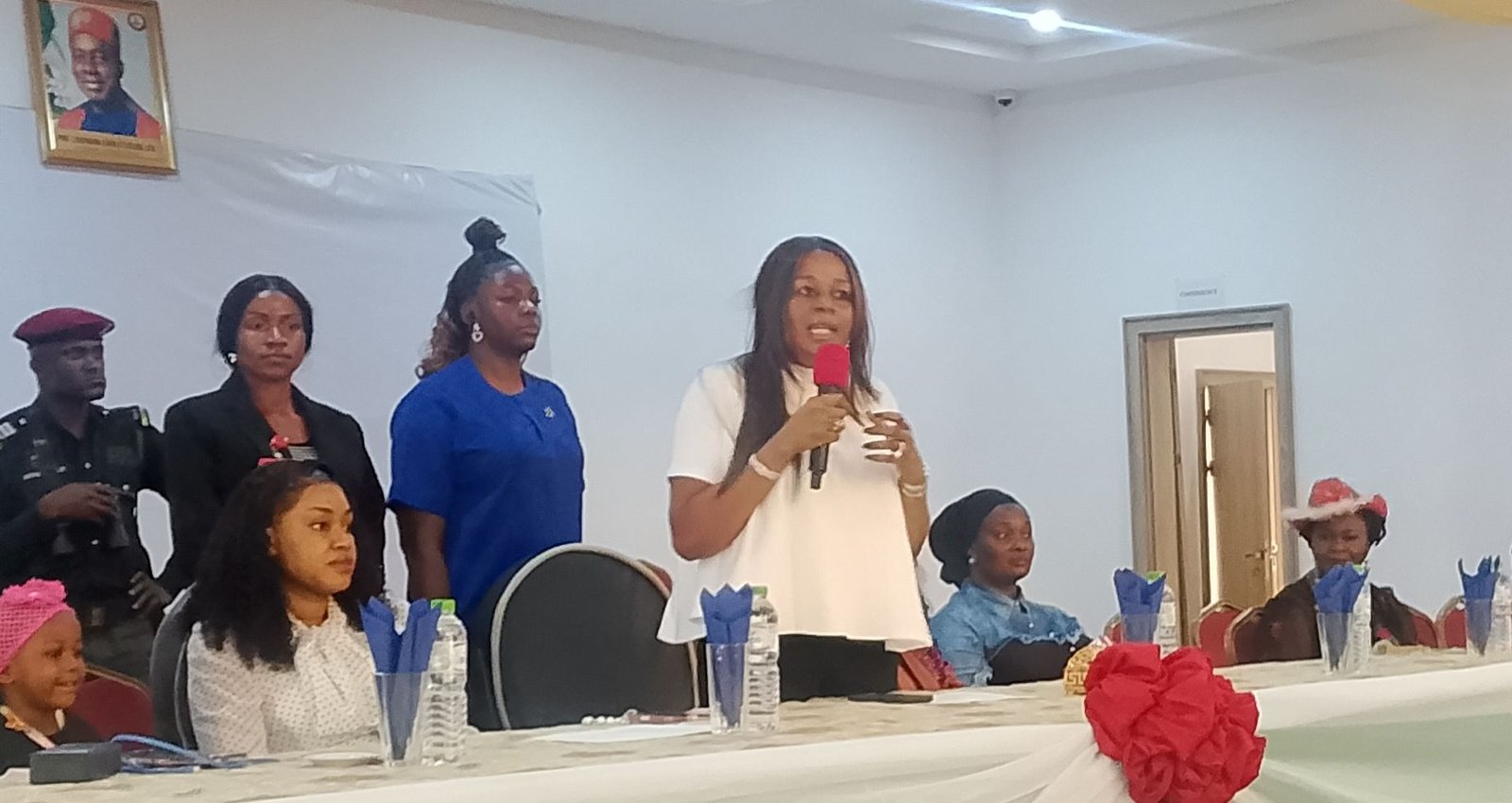
In a heartfelt appeal that transcends the typical seasonal charity drive, Dr. Nonye Soludo, the wife of the Anambra State Governor, has issued a powerful call to action. During a Christmas party for residents of orphanages and welfare homes across the state, she urged Nigerians to move beyond sporadic material donations and embrace a culture of consistent, personal engagement with society’s most vulnerable.
Her message, delivered on Monday, December 22, 2025, in Awka, strikes at the core of a critical but often overlooked need: the profound human requirement for connection, belonging, and emotional sustenance.
The Hidden Crisis: Emotional Trauma and Social Isolation
Dr. Soludo highlighted a stark reality that many children and adults in institutional care face—a silent struggle with emotional trauma, neglect, and deep social isolation. “These challenges can only be addressed through consistent human connection, encouragement, and understanding,” she stated. This insight shifts the paradigm from seeing welfare as merely a transaction of goods to recognizing it as an investment in human dignity and psychological well-being.
The science of attachment and child development underscores her point. Children, especially, require stable, nurturing relationships for healthy brain development and emotional regulation. Without consistent, caring interaction, they can experience developmental delays and long-term psychological effects, regardless of their physical needs being met.
Beyond Festive Seasons: A Call for Habitual Compassion
“Visiting orphanages and welfare homes should not be limited to festive periods alone,” Dr. Soludo emphasized. “We must make it a habit to visit, listen to their stories, understand their challenges, and respond to their needs both physically and emotionally.”
This call for habitual engagement is crucial. Holiday visits, while well-intentioned, can create a cycle of intense attention followed by long periods of abandonment, which can be more damaging than no visit at all. Sustainable support means integrating these visits into our regular schedules—monthly, bi-monthly, or through structured mentorship programs that provide predictable, reliable presence.
The Power of Presence: Practical Ways to Make a Difference
Dr. Soludo modeled this approach during the event itself, stating, “While the party is going on, I will be having a one-on-one conversation with the teenagers in the orphanage homes to better understand their struggles and explore ways we can support them.” This highlights actionable steps anyone can take:
- Listen Actively: Offer your full attention. Ask open-ended questions about their interests, dreams, and challenges.
- Share Skills: Teach a skill—reading, crafting, a sport, or basic computer literacy. This promotes dignity and self-worth.
- Provide Consistent Mentorship: Commit to regular visits with the same individual or small group to build trust.
- Advocate for Holistic Needs: As Dr. Soludo urged, complement government efforts by sponsoring specific needs like healthcare, educational scholarships, or vocational training.
She rightly noted that “emotional support, counselling, and reassurance were as important as providing food, clothing, and other essentials.” This holistic view recognizes that a child cannot thrive on bread alone; they need hope, validation, and a vision for a future where they belong.
A Community-Wide Responsibility
The event, which featured dance, carols, and gift-giving, was a joyful demonstration of community. Mrs. Ify Obinabo, the Commissioner for Women and Social Welfare, commended the caregivers, acknowledging their often-unsung sacrifices. This points to a broader ecosystem of care that requires support.
Dr. Soludo reaffirmed the commitment of her Healthy Living Initiative to this cause, encouraging a “culture of compassion and shared responsibility.” The ultimate goal is systemic: to ensure that vulnerable persons are not merely housed but are holistically developed, protected, and integrated into the fabric of society.
This appeal is more than a seasonal reminder; it is a blueprint for meaningful social change. It challenges every individual and organization to ask not just “What can I give?” but “Who can I be for someone in need?” The true gift, as championed by Dr. Soludo, is the transformative power of sustained human connection.
Edited by Vivian Ihechu