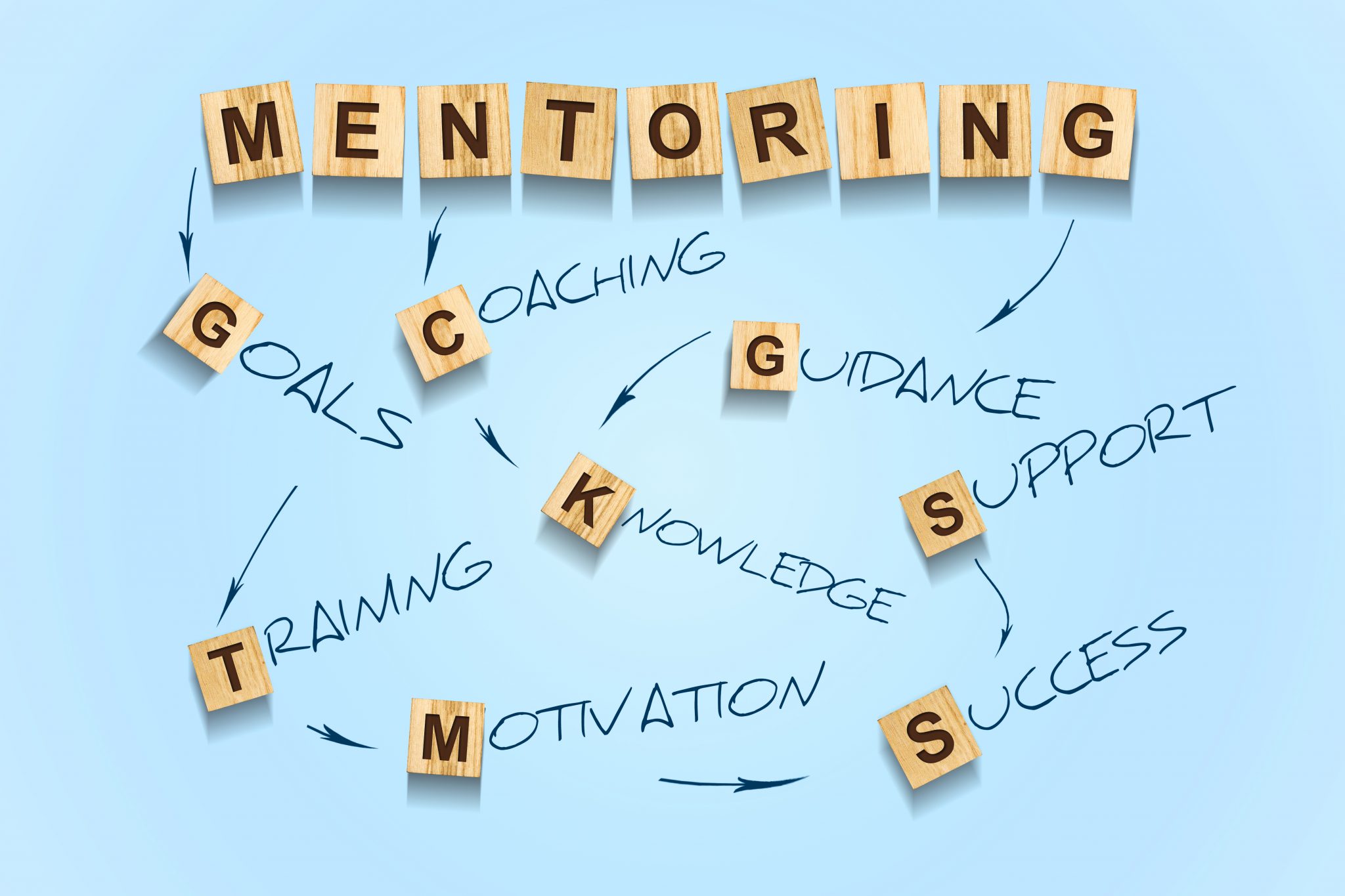
In a decisive call to action, the Foundation for Human Development and Innovation (FHCDI) has identified structured youth mentoring as a fundamental pillar for promoting moral values and combating the rising tide of social vices in Nigerian communities. This urgent message was delivered during the foundation’s inaugural end-of-year stakeholders’ engagement in Suleja, Niger State.
Admiral Ibrahim Hamza, Ciroman Zazzau and Chairman of FHCDI, emphasized that sporadic interventions are insufficient. “Mentoring and value reorientation are not optional extras; they are critical, non-negotiable tools for national development,” he stated. He argued that empowering youths to become responsible, productive citizens requires consistent, positive guidance to fill the void often exploited by negative influences. The foundation’s commitment, he assured, is to move beyond rhetoric to meaningful contributions that directly impact youth development and reduce anti-social behaviors.
The engagement, which brought together community leaders, political figures, and youth representatives, focused on holistic solutions to entrenched challenges in Suleja, including youth unemployment, social welfare, health, and security. Experts note that these issues are deeply interconnected; a youth without economic prospects or a positive social identity is more vulnerable to vices like drug abuse, cybercrime (yahoo-yahoo), cultism, and petty theft. Mentoring addresses this by providing not just advice, but also access to networks, skill development, and a sense of belonging and purpose.
Echoing this sentiment, Alhaji Adamu Tanko-Lokoja, member representing Suleja, Tafa and Gurara Federal Constituency, commended the foundation’s foresight. His support, alongside that of Alhaji Muratala Badaru of the Niger State House of Assembly, who pledged legislative partnership, highlights a growing recognition of the need for cross-sector collaboration. As Alhaji Zakari Saka, former Commissioner for Environment, urged others to emulate the initiative, it became clear that the fight against social vices demands a “whole-of-society” approach.
The practical pathway forward was outlined by Mrs. Fatima Adamu, Secretary of FHCDI. She revealed that a compendium of actionable recommendations was compiled from the event and that a special implementation committee would be constituted. This step is crucial, as many well-intentioned forums fail at the execution stage. Effective mentoring programs require sustainable funding, trained mentors, safe spaces for engagement, and measurable outcomes tied to both soft skills (like resilience and ethical decision-making) and hard skills (like vocational training).
This gathering signals a pivotal shift from viewing youth as a problem to be managed to recognizing them as a potential-rich asset to be invested in. By championing deliberate, structured mentoring, FHCDI and its partners are advocating for a proactive investment in Nigeria’s social fabric, asserting that the cost of mentoring is far less than the long-term societal cost of unchecked social vices.
Edited by Ismail Abdulaziz