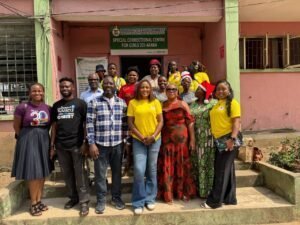
In a powerful demonstration of community-driven healthcare, the Richard/Emem Inyang Foundation recently provided comprehensive free medical services to over 1,000 vulnerable residents in Akwa Ibom State. This initiative highlights a growing trend of grassroots organizations filling critical gaps in public health access, particularly in underserved rural areas.
The outreach, held at Palmer Memorial Hospital in Ikot Usen, Ibiono Ibom Local Government Area, and extended to the Ikot Ikpang Itam community, represents more than a charitable event—it is a profound personal mission rooted in gratitude and purpose.
The ‘Why’ Behind the Outreach: A Story of Survival and Purpose
President of the Foundation, Mr. Richard Inyang, framed the initiative as an act of thanksgiving. He shared a compelling personal narrative that underscores the outreach’s deeper significance: “This is a way of appreciating God for saving my life. After a severe accident involving third-degree burns and multiple surgeries that was widely publicized, my survival was considered improbable. I believe I was saved for a purpose.” This personal testimony transforms the event from a simple CSR activity into a mission-driven response to a second chance at life.
Inyang, who identifies as a missionary, articulated a philosophy of practical evangelism: “One of the most effective ways to spread the gospel is to reach out in tangible terms to the needy. Faith manifests in action.” This approach aligns with holistic ministry models that address both physical and spiritual well-being, recognizing that meeting immediate human needs often opens the door for deeper community connection and trust.
Beyond Check-ups: A Holistic Model of Community Support
The foundation’s program was notably multifaceted, moving beyond a standard medical camp. Its components created a robust support system:
- Comprehensive Medical Care: The services included free eye consultations, screenings, and the distribution of reading glasses—addressing a common, yet often neglected, barrier to daily life and productivity, especially for the elderly.
- Essential Supplies Distribution: The free distribution of food, toiletries, and clothing tackled immediate material deprivation, acknowledging that health is inseparable from basic security and dignity.
- Health Education: Proactive sessions aimed to empower residents with knowledge to prevent illness and manage minor conditions, creating a longer-term impact than treatment alone.
Mr. Inyang emphasized the self-funded nature of the project: “What you have seen is purely self-funded. We are not receiving funding from the government or any external body.” This detail is crucial; it highlights the initiative’s sustainability challenges but also its independence and the deep personal commitment of its founders. He also praised the medical team, led by Dr. Inyang George, for providing services “almost free of charge,” pointing to a collaborative volunteer spirit essential for such endeavors.
Impact and Community Response
The community’s appreciation was voiced by Chief Itaobong Sampson, a beneficiary who thanked the foundation and offered prayers for its team. This response underscores a critical success metric for outreach programs: local acceptance and gratitude. Effective interventions are those that are culturally welcomed and address felt needs.
This outreach by the Richard/Emem Inyang Foundation serves as a microcosm of a vital societal function. It demonstrates how personal conviction, when channeled into organized action, can directly improve health equity. It also raises important questions about the scalability of such self-funded models and the potential for partnership between private philanthropy, NGOs, and public health systems to create a wider, more sustainable net of care for Nigeria’s most vulnerable populations. The event in Ibiono Ibom is not just a news item; it is a case study in compassionate, holistic community service.
Edited by Benson Ezugwu/Sandra Umeh