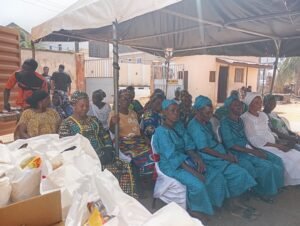
In the face of persistent food insecurity, a grassroots Nigerian organization is taking a direct, human-centered approach to combat hunger. The One Meal a Day for the Children Initiative (OMDCI) has publicly reaffirmed its core mission: to ensure that vulnerable children, women, and the elderly have access to at least one nutritious meal daily. This commitment, announced during a community outreach in Amudo, Aguinyima Community, Ebonyi State, represents more than charity; it’s a strategic intervention aimed at fostering better health, dignity, and hope.
Founded by Mrs. Ijeoma Nwokpoku, OMDCI operates on a powerful, simple premise: hunger is a solvable problem at the individual level. “This outreach marks our first for 2026 as we step into the year with purpose,” Nwokpoku stated. “We are ensuring that no child goes hungry and no woman is forgotten. Apart from food, we offer hope and remind them that they are seen and valued.” This philosophy underscores a critical aspect often missing from large-scale aid—the restoration of personal dignity alongside physical sustenance.
The initiative’s model is notably holistic. While the daily meal is the anchor, OMDCI’s work extends into areas that address the root causes of vulnerability. The organization has sponsored university educations for three graduates from the community, with more students currently supported. This dual focus on immediate relief (food) and long-term empowerment (education) creates a more sustainable pathway out of poverty. Furthermore, the group provides support for widows and the elderly and assists indigent patients with medical bills, recognizing that health crises are a primary driver of family destitution.
Remarkably, OMDCI reports being active across all 36 states of Nigeria and the Federal Capital Territory, a significant logistical achievement for a self-funded NGO. Funding primarily comes from personal contributions from families and friends of the founder, highlighting a community-driven response. However, this model also presents its greatest challenge. Mrs. Nwokpoku explicitly identified the “paucity of funds” as a major constraint, limiting the scope and consistency of their services. Her call for assistance from public-spirited individuals and institutions points to the scalable potential of the initiative if more resources were available.
The recent outreach in Ezza-South exemplified their integrated approach. Beyond food distribution, the event featured a medical check-up and a vital health talk by nurse Mrs. Ukamaka Nwafor, who emphasized the importance of natural foods and sufficient water intake—essential knowledge for populations where malnutrition and waterborne diseases are prevalent. The distribution included not just meals but also educational materials and wrappers (cloth), addressing practical needs for learning and basic dignity.
For beneficiaries like Mrs. Oluchukwu Nwuzor and Mr. Chukwuma Anyigor, the support is a “lifeline.” In regions where economic instability can make daily sustenance uncertain, the guarantee of a nutritious meal can stabilize a household, allowing limited resources to be allocated to other critical needs like shelter, clothing, or small business capital.
The legal adviser of OMDCI, Mr. Nathaniel Nwokpoku, expressed the organization’s enduring commitment. The vision, as stated, is to “build a society where no child goes to bed hungry.” While the challenge is monumental, OMDCI’s work demonstrates that targeted, compassionate, and holistic intervention can create tangible change, one meal—and one community—at a time. Their model serves as a compelling case study in addressing multidimensional poverty through direct action and sustained personal commitment.