By Fabian Ekeruche
Lagos, Dec. 16, 2025 (NAN) – Professor Ijeoma Vincent-Akpu, a leading voice in environmental governance, has underscored that a robust and effective Environmental Impact Assessment (EIA) process is non-negotiable for achieving sustainable development, protecting Nigeria’s ecosystems, and ensuring accountable governance. Her remarks come at a critical juncture for the nation’s infrastructure and industrial growth.
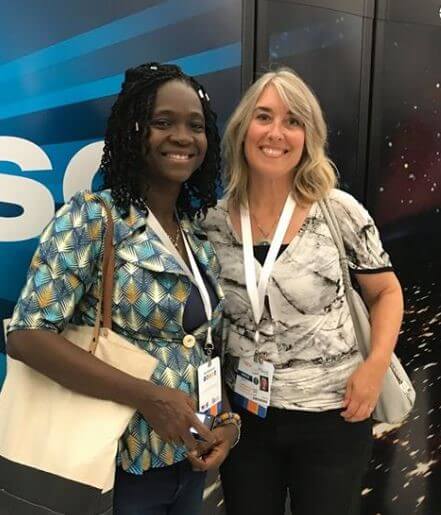
Vincent-Akpu, the immediate past President of the Association for Environmental Impact Assessment of Nigeria (AEIAN), made these statements in an exclusive interview with the News Agency of Nigeria (NAN) in Lagos, following her receipt of the AEIAN Distinguished Service Award. The award recognized her seminal contributions to the association’s growth and institutional strengthening.
“I am grateful and deeply humbled by this recognition,” she said. “It is encouraging to see that our work to professionalize and advocate for rigorous environmental planning is valued. I believe AEIAN is in a better place and will continue to go from strength to strength.”
The Core Challenge: Moving Beyond a “Tick-Box” Exercise
Vincent-Akpu pinpointed a fundamental flaw in current practice: the pervasive view of EIA as a mere bureaucratic hurdle. “Many people see EIA only as a means to obtain permits or funding. In reality, it is a vital planning tool,” she explained. “A properly conducted EIA guides optimal project design, identifies cost-saving mitigation measures early, and prevents costly delays or litigation later. It benefits the proponent, the government, and the environment.”
She lamented that this narrow view leads to EIAs being conducted too late in the planning cycle or with inadequate resources. “The reluctance to invest in proper EIAs, sometimes even by government bodies, is a form of impunity that is visibly damaging our environment,” she stated.
The Imperative for Collaboration and Capacity Building
The professor stressed that sustainability cannot be achieved in silos. “Governments must collaborate deeply with professional bodies like AEIAN,” she urged. “Sustainability, good governance, and environmental protection are inextricably linked and are all anchored on a proper EIA process.”
She acknowledged positive steps, such as government collaboration with the World Bank on procurement and EIA training programmes, expressing optimism that these would raise standards over time. However, she highlighted a persistent public trust issue, evident in the recurring controversies surrounding major infrastructure projects. “Citizens rightly question whether proper needs assessments and comprehensive EIAs genuinely preceded project approvals. This gap erodes public trust and leads to conflict.”
The Triple Win of a Robust EIA
Addressing engineers and contractors directly, Vincent-Akpu reframed the EIA not as an obstacle, but as an enabler. “EIA does not stop development; it ensures development benefits the people, protects the environment, and safeguards our collective future,” she asserted.
She outlined a clear, triple-benefit model:
- For Developers/Proponents: Reduces long-term costs by avoiding environmental penalties, redesigns, and community disputes. It provides a social license to operate.
- For Government & Regulators: Ensures projects align with national sustainability goals, reduces remediation burdens on the state, and strengthens governance through transparent, science-based decision-making.
- For Communities & the Environment: Protects public health, preserves ecosystems and biodiversity, and ensures community concerns are integrated into project planning.
“Everyone benefits when EIA is done right,” she concluded.
The Essence of Sustainability: Balance
In her final analysis, Vincent-Akpu distilled the core principle of sustainability. “True sustainability requires the simultaneous pursuit of environmental integrity, social equity, and economic viability,” she said. “If one pillar is pursued at the expense of the others, everyone ultimately loses. When all three are in harmony, society reaps lasting benefits. The EIA is the primary tool we have to find and enforce that balance before a single shovel hits the ground.”
(NAN) (www.nannews.ng)
Edited by Kamal Tayo Oropo