

Kaduna, Dec. 16, 2025 – In a significant grassroots initiative aimed at healing deep-seated divisions, the Northern Reconciliation Group (NRG) embarked on a series of symbolic visits on Tuesday. The delegation met with the leadership of the Christian Association of Nigeria (CAN) for the 19 Northern States and the Federal Capital Territory, followed by the Jama’atu Nasril Islam (JNI) at their respective headquarters in Kaduna. This deliberate outreach underscores a growing citizen-led movement to foster sustainable peace, reconciliation, and interfaith harmony across Northern Nigeria and the nation.
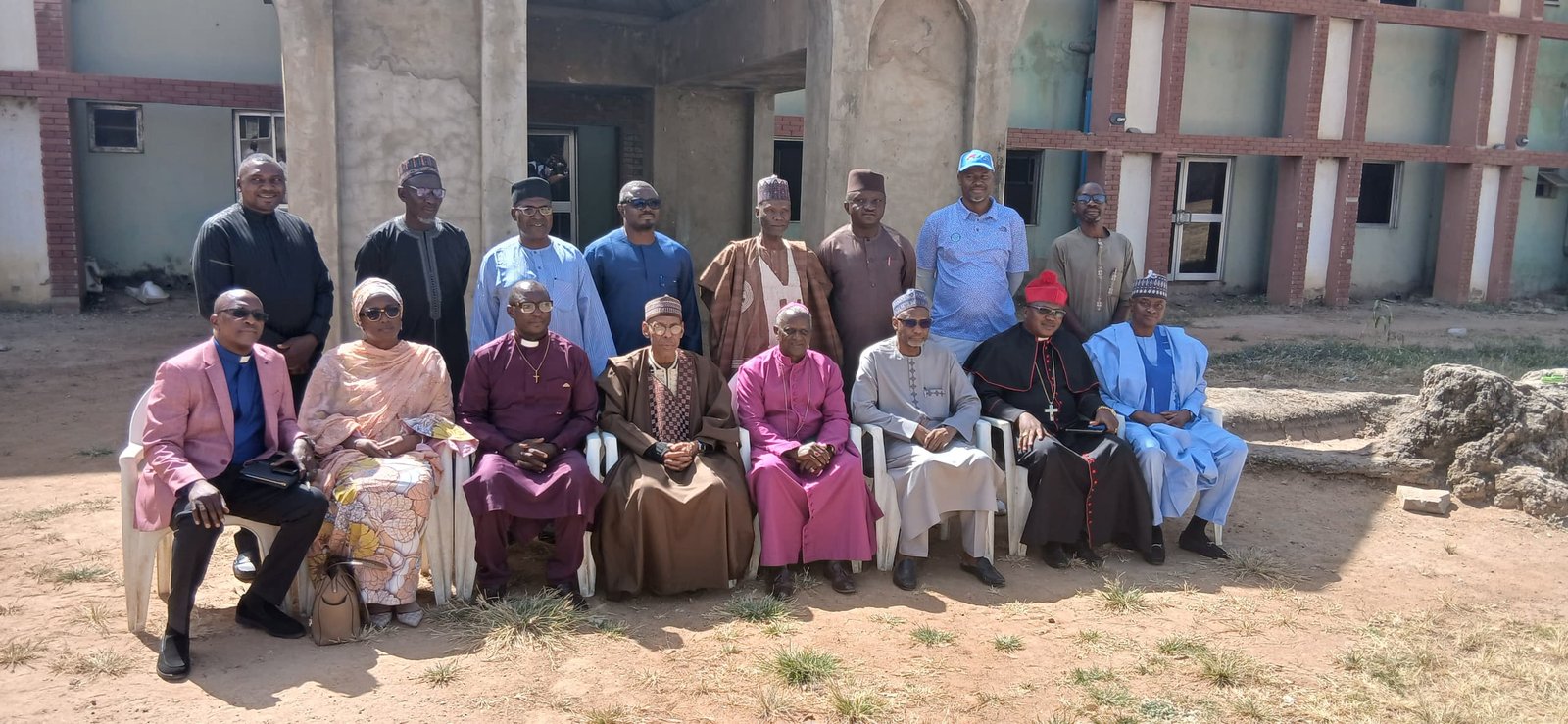
The delegation, led by the group’s Protem Chairman, Dr. Hakeem Baba-Ahmed, framed the visits as a powerful corrective to narratives of religious antagonism. “Our presence here is deliberately designed to send an unequivocal message: Muslims and Christians in the North are not enemies,” Baba-Ahmed stated. “We can and must coexist peacefully, respecting our differences in faith and culture. This is not merely a political statement but a theological imperative.”
At the CAN headquarters, Baba-Ahmed elaborated on the NRG’s composition and founding principles. The group, he explained, comprises Northern Muslims and Christians united by a shared commitment to core values often overshadowed by conflict: justice, peace, and mutual respect. “We consciously decided to come together to declare clearly that God did not create us to fight each other,” he said. “There is no verse in the Qur’an or chapter in the Bible that commands believers to see those of another faith as inherent enemies. The distortion of scripture for conflict is a human failure, not a divine decree.”
He contextualized the group’s formation as a direct response to the devastating human cost paid by ordinary Northerners—loss of life, property, and communal trust—due to conflicts fueled by “ignorance, manipulation by elites, and political opportunism.” “We have come to say publicly that we reject this cycle. We will not be manipulated into seeing our neighbors as enemies. We believe that peace, forgiveness, and justice are the non-negotiable foundations of both our faiths,” Baba-Ahmed asserted.
Notably, the timing of the visit during the Christmas season was highlighted as a strategic gesture of solidarity. “We are here to express our fellowship with the Christian community and to wish them peaceful celebrations,” he noted, adding a crucial call to action: “We hope this signals to all Nigerians that ordinary citizens can and must take the lead in peacebuilding. We cannot perpetually wait for government or external authorities to solve problems we have the capacity to address from within our communities.”
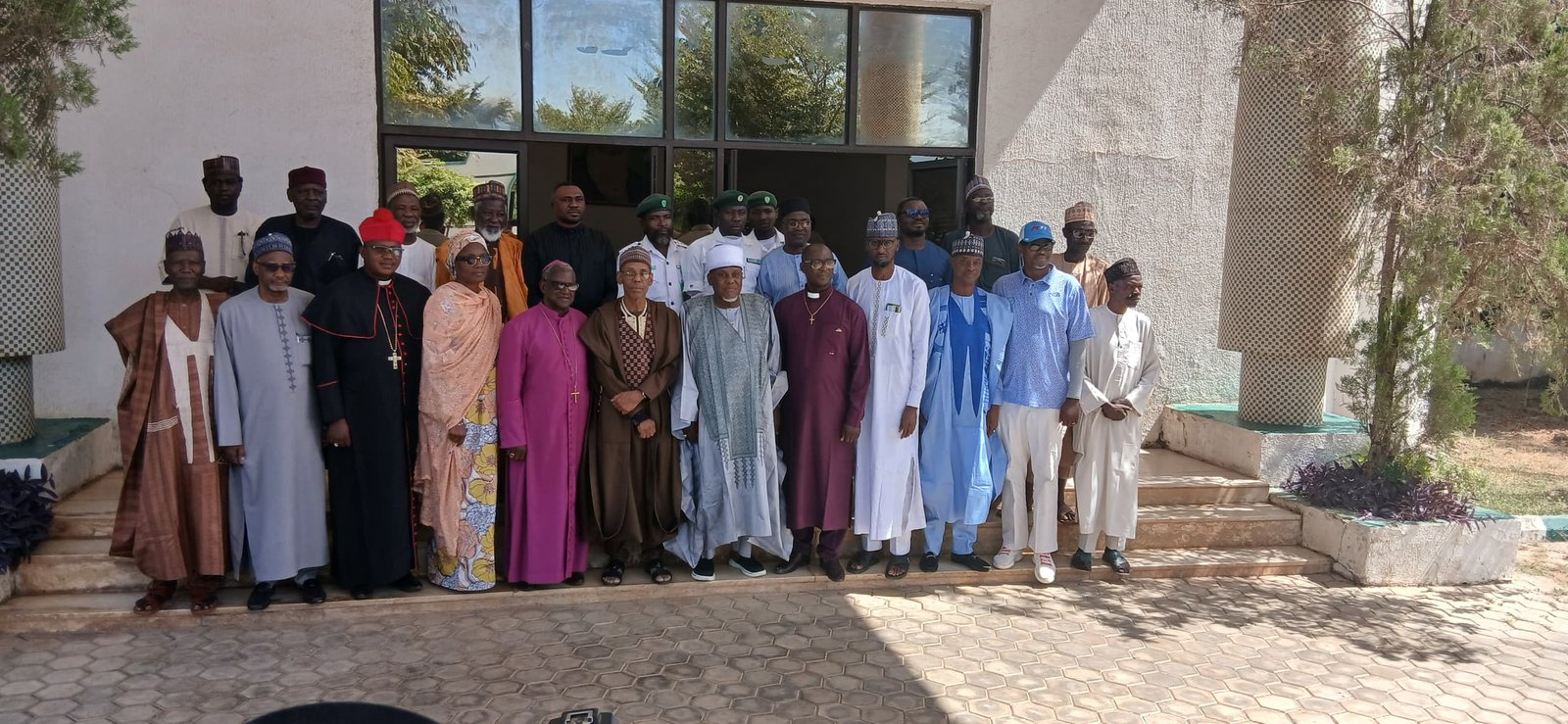
Receiving the delegation, Rev. John Hayab, Chairman of CAN (19 Northern States and FCT) and who also serves as the Deputy Chairman of the NRG, hailed the visit as both timely and historic. He painted a picture of a shared past often forgotten in contemporary strife. “For decades, Muslims and Christians in the North lived as neighbors and friends, sharing joys and sorrows. It is selfish interests—political, economic, and social—that have magnified our minor differences into major conflicts,” Hayab reflected.
He echoed the theological argument against violence, stating, “The common Muslim and common Christian have no business fighting each other. We cannot fight for God; God is stronger than all of us. What our faiths fundamentally demand is love, forgiveness, and peaceful coexistence.” Hayab assured the delegation of the Christian community’s acceptance of the olive branch and promised reciprocity. He emphasized that true reconciliation is a bottom-up process: “It must begin from individuals, extend to families, then to communities, and finally influence our leaders. This group is not against anyone. It is about restoring trust and rebuilding the cohesive North we once knew, where we lived, worked, and celebrated together.”
The group’s subsequent visit to the JNI headquarters reinforced the urgency of the mission. There, Baba-Ahmed warned that the “widening gap between Muslims and Christians has become a dangerous fissure threatening the very fabric of our society.” He insisted on local ownership of the solution: “This is our problem, and only Nigerians can solve it. Foreign interests or interventions will not bring us genuine peace. We must close ranks, have the courage to forgive past wrongs, and commit to rebuilding the bridges that have been burned.”
In his response, the Secretary General of JNI, Prof. Khalid Aliyu, welcomed the initiative as a revival of the region’s historical legacy of interfaith camaraderie. He recalled an era where Muslim and Christian leaders collaborated as brothers for the common good. “If we truly desire peace, there is no shortcut other than a sincere return to the principles of justice, honesty, and mutual respect,” Aliyu advised. “Religion, in its pure form, is meant to unite humanity in virtue, not to destroy it through division.” He pledged JNI’s full readiness to partner with the Northern Reconciliation Group, not only in promoting dialogue but in tackling the practical challenges of insecurity and eroded trust that plague Northern communities.
The visits, attended by a broad spectrum of prominent religious leaders, scholars, elders, and peace advocates, represent a potent symbol of hope. They demonstrate a growing recognition that lasting peace must be rooted in local, faith-based dialogue and courageous personal commitment, moving beyond rhetoric to actionable fellowship. (NAN)
===========
Edited by Bashir Rabe Mani


