
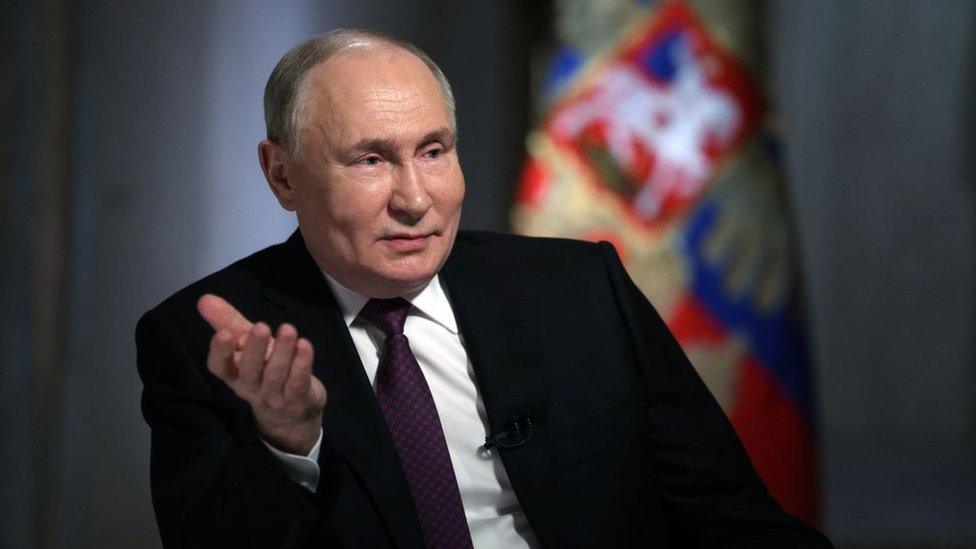
On Friday, Russian President Vladimir Putin will once again take center stage for his combined annual press conference and “Direct Line” television program, a meticulously orchestrated political spectacle that has become a cornerstone of his domestic public relations strategy. This marathon event, where Putin fields questions from both journalists and citizens for several hours, is far more than a simple news briefing; it is a carefully calibrated performance designed to project an image of omnipotence, empathy, and direct connection to the Russian people.
The fusion of the press conference with the “Direct Line” show is a masterstroke of political theater. While the former offers a veneer of accountability to the media, the latter creates a powerful narrative of a leader in direct dialogue with his populace. State television’s report of over 2 million pre-submitted questions—a figure impossible to independently verify—serves to amplify the event’s perceived significance and public demand. As Kremlin spokesman Dmitry Peskov noted, Putin has been in intensive preparation since Wednesday, underscoring the event’s scripted nature and the importance the administration places on controlling its message.
The agenda is predictable yet potent. Domestic grievances—poverty, crumbling infrastructure, and a strained healthcare system—are perennial themes. Putin uses these citizen appeals as a platform to portray himself as the nation’s ultimate problem-solver, issuing on-the-spot directives to regional officials. This performative governance allows him to sidestep systemic critiques of his government’s policies by presenting himself as a benevolent czar rectifying the failings of his own bureaucracy.
Since 2022, the war in Ukraine has dominated proceedings, casting a long shadow over the domestic complaints. The Kremlin narrative meticulously frames the conflict, using the event to reinforce state propaganda about its necessity and to address war-weary citizens. Putin’s answers are designed to justify the ongoing military campaign, mourn Russian losses as sacrifices for a greater cause, and dismiss Ukrainian sovereignty. This segment is critical for gauging the official tone on the war’s progression and for signaling resolve to both domestic and international audiences.
Analysts watch these events not merely for the answers given, but for what is omitted, the tone of delivery, and the subtle shifts in rhetoric. The length of the event—last year’s ran nearly four and a half hours—is itself a tool, meant to demonstrate Putin’s stamina, mastery of detail, and unwavering dedication. For the Russian public, it is a rare, if heavily filtered, opportunity to see their leader engage in what is presented as an unscripted dialogue. For the outside world, it is a key window into the Kremlin’s current priorities, its assessment of domestic stability, and its strategic messaging for the year ahead. The conference is less about transparency and more about the consolidation of a specific political reality, broadcast across the nation’s airwaves and news sites.
===
Analysis expanded from original reporting by dpa/NAN. Edited for depth and context.


