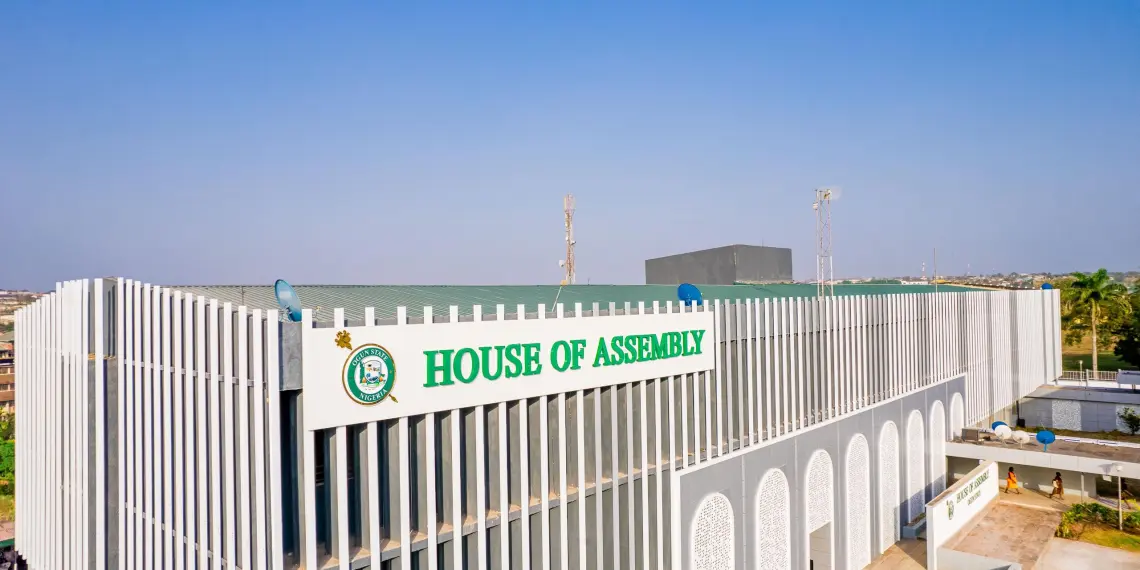
In a significant move poised to reshape its agrarian economy, the Ogun State House of Assembly has passed a landmark bill establishing the Ogun State Agricultural Land Management Agency. The passage of H.B. No. 029/OG/2025 marks a critical step toward formalizing and securing land tenure for agriculture, a sector long hampered by informal and often contentious land allocation practices.
The bill, passed on Friday, December 19, 2025, during a plenary presided over by Speaker Oludaisi Elemide, goes beyond mere bureaucratic creation. Its core mandate is the deployment of a Comprehensive Framework for Responsible and Inclusive Land-Intensive Agricultural Investment (FRILIA). This framework is the bill’s most transformative element, designed to provide clear, transparent, and equitable guidelines for how large-scale agricultural land is allocated, managed, and monitored within the state.
The legislative process saw robust collaboration. Following a detailed review, the report of the Joint Committees on Agriculture, Lands and Housing—chaired by Mr. Waliu Owode (PDP-Ijebu-East)—was presented, adopted, and supported through a voice vote by the entire house. The bill underwent a meticulous clause-by-clause consideration in the committee of the whole house before its third reading and final passage.
Why This Bill Matters: Beyond the Headlines
For investors, both local and international, FRILIA promises to de-risk agricultural ventures by creating a predictable legal environment. Historically, acquiring large tracts of land for farming in Nigeria has been fraught with challenges, including overlapping claims, community disputes, and lack of clear title. This new agency and its framework aim to act as a centralized, trustworthy intermediary, potentially unlocking significant investment that has been hesitant to commit.
For rural communities and smallholder farmers, the emphasis on “Responsible and Inclusive” is crucial. A well-implemented FRILIA should mandate:
– Free, Prior, and Informed Consent (FPIC) from communities before land allocation.
– Clear benefit-sharing agreements to ensure host communities gain from projects.
– Environmental and social impact assessments to safeguard ecosystems and livelihoods.
This approach seeks to prevent the land grabs and social displacement that have marred some large-scale agricultural projects elsewhere in Africa.
With the legislative hurdle cleared, Speaker Elemide directed that a clean copy of the bill be forwarded to Governor Dapo Abiodun for his assent. Upon signing, the real work of establishing the agency, drafting the detailed FRILIA regulations, and building its operational capacity will begin. Its success will depend on adequate funding, political will, and ongoing oversight to ensure it fulfills its inclusive mandate.
In a Separate Development: The Assembly also confirmed the nomination of Mr. Abdul-Nojeem Olayinka as the new Auditor-General for Local Governments. The deputy speaker, Mrs. Bolanle Ajayi, reported that the nominee’s credentials and screening responses were thoroughly vetted and found satisfactory, recommending his appointment to strengthen fiscal accountability at the grassroots level of governance.
The passage of the Agricultural Land Management Bill represents more than a routine legislative act; it is a strategic intervention aimed at positioning Ogun State as a premier destination for modern, sustainable, and socially conscious agricultural investment in Nigeria.