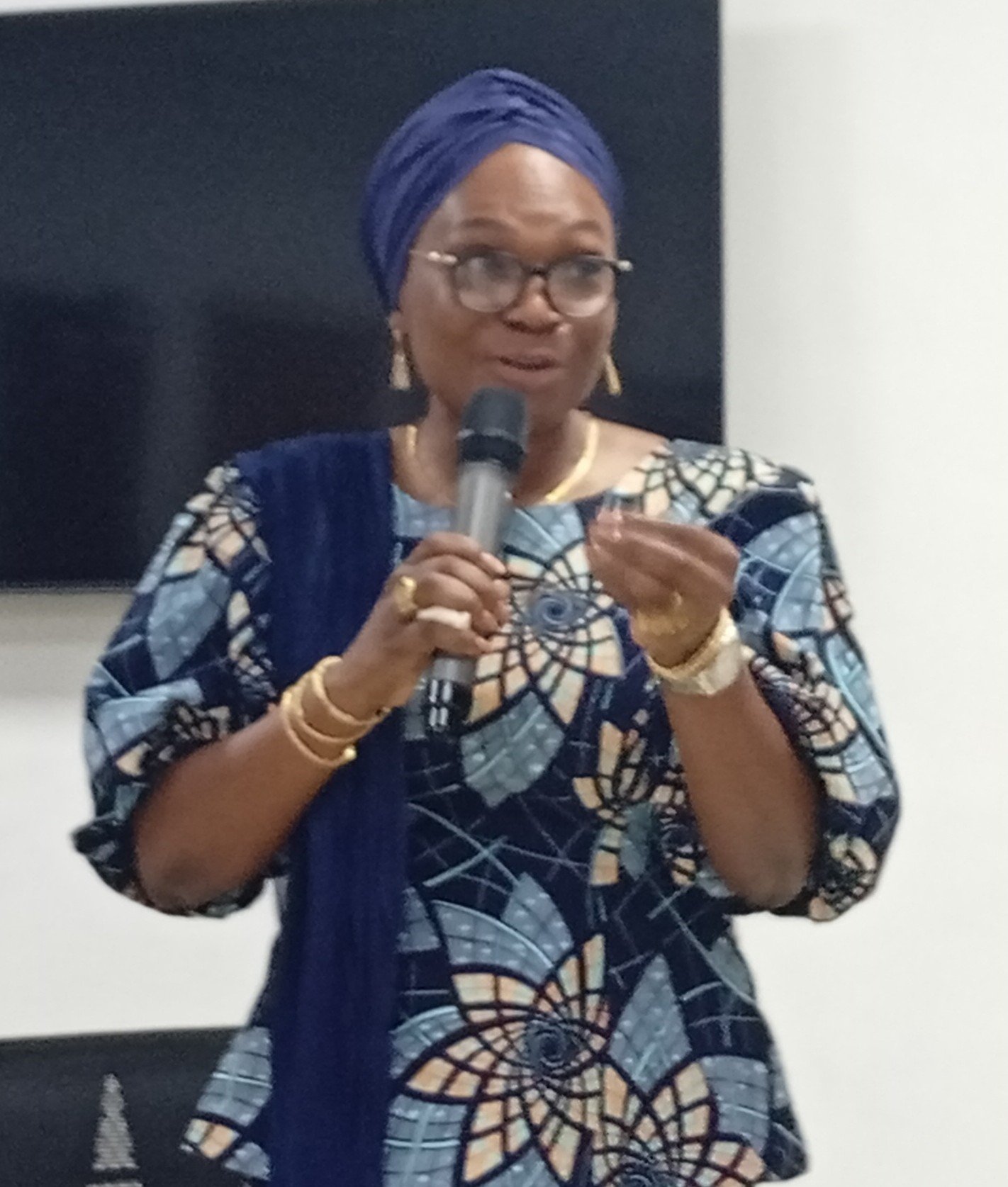
At a critical policy forum, a senior Lagos State official framed a transformative challenge: the state’s ambitious economic future hinges not just on infrastructure and policy, but on a fundamental shift in the collective attitude of its residents and public servants.
Ms. Toyin Ogunlana, Permanent Secretary of the Cabinet Office, addressed the fourth Public Policy Roundtable organized by the Policy Analysis, Monitoring and Evaluation (PAME) Department. The event, themed “Accelerating Accountability And Responsive Governance Through Making Lagos A 21st Century Economy,” moved beyond typical government rhetoric to pinpoint mindset as a core developmental variable.
Ogunlana presented a compelling cause-and-effect argument: a positive, participatory attitude among residents is the essential fuel for elevating the state’s image and achieving its economic goals. She positioned this mindset change as a critical, yet often overlooked, tool for combating systemic issues. “While government institutions and Civil Society Organisations play vital roles,” she noted, “meaningful progress in tackling corruption and improving public service delivery depends largely on this shift.”
This call to action reframes citizenship from a passive experience to an active partnership. The implication is that a 21st-century economy cannot be built by a 20th-century mentality. It requires residents who see public property as their own, who demand accountability not through apathy but through engaged participation, and who view integrity as a personal responsibility that scales to a societal virtue.
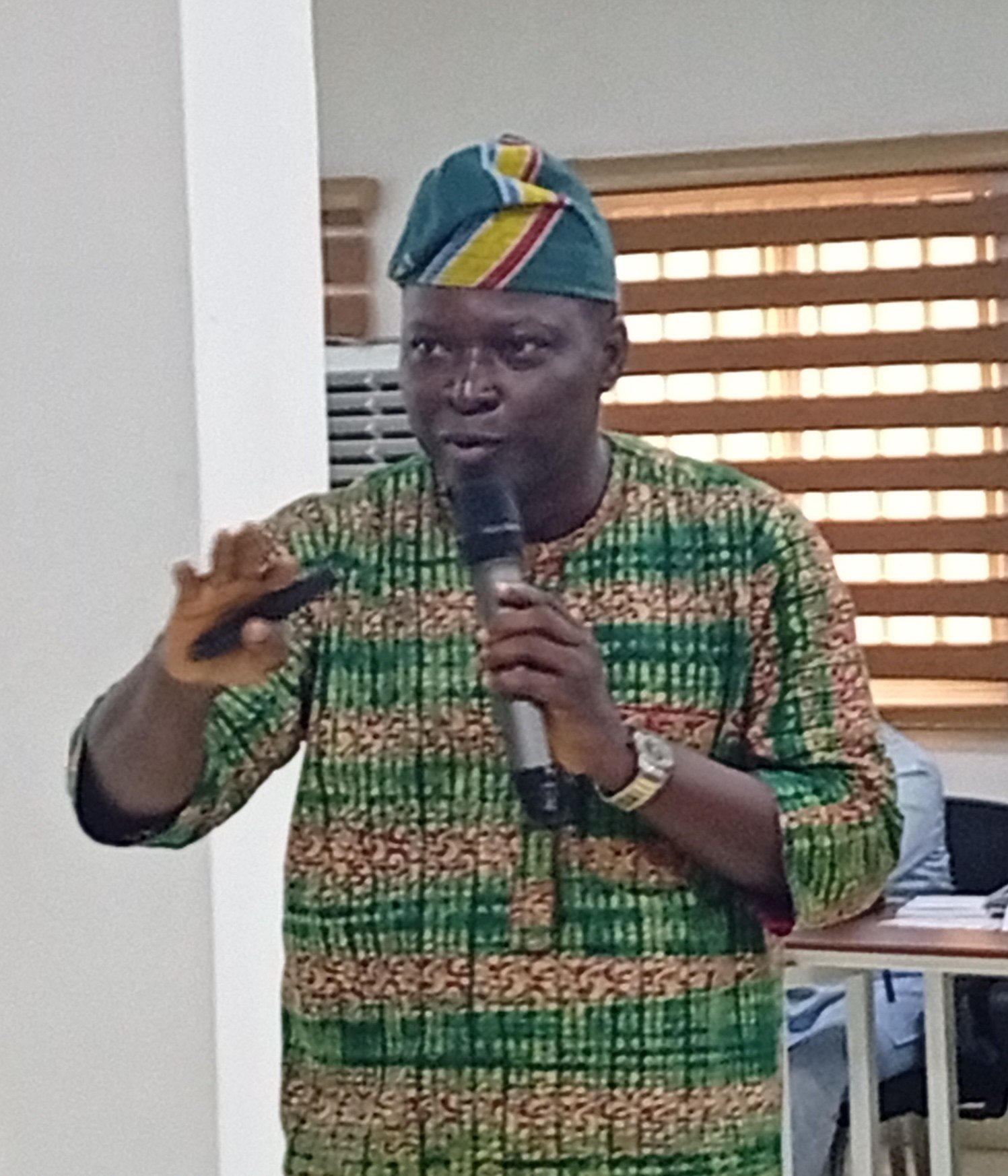
Ogunlana then turned the lens inward to the civil service itself, providing concrete, operational steps. She directly linked the fight against corruption to the daily practices of public officers, advocating for the embrace of integrity, transparency, and accountability. Crucially, she identified a major operational weakness: “Weak documentation and poor data management hinders effective governance.” Her solution was a mandate for improved record-keeping and evidence-based decision-making across all ministries, departments, and agencies. This transforms abstract values into actionable mandates—good governance starts with proper filing cabinets and verifiable data.
Echoing this theme, Dr. Oladele Oyatope, Head of the PAME Department, provided the strategic framework. He defined public policy as “what government chooses to do, or not to do,” emphasizing that every inaction is as consequential as an action. Within this context, he highlighted the state’s tangible progress, such as establishing technology hubs to facilitate ease of doing business. These hubs are practical examples of policy designed to catalyze private sector growth and innovation.
The roundtable’s synthesis offers a powerful dual blueprint for development. For the public, it is a call to cultivate ownership and proactive citizenship. For the government machinery, it is a directive to institutionalize precision and transparency through better data management. Together, these shifts in attitude and administration form the foundational software required to run the hardware of a modern, competitive, and accountable 21st-century economy for Lagos.
Edited for clarity and expanded context.