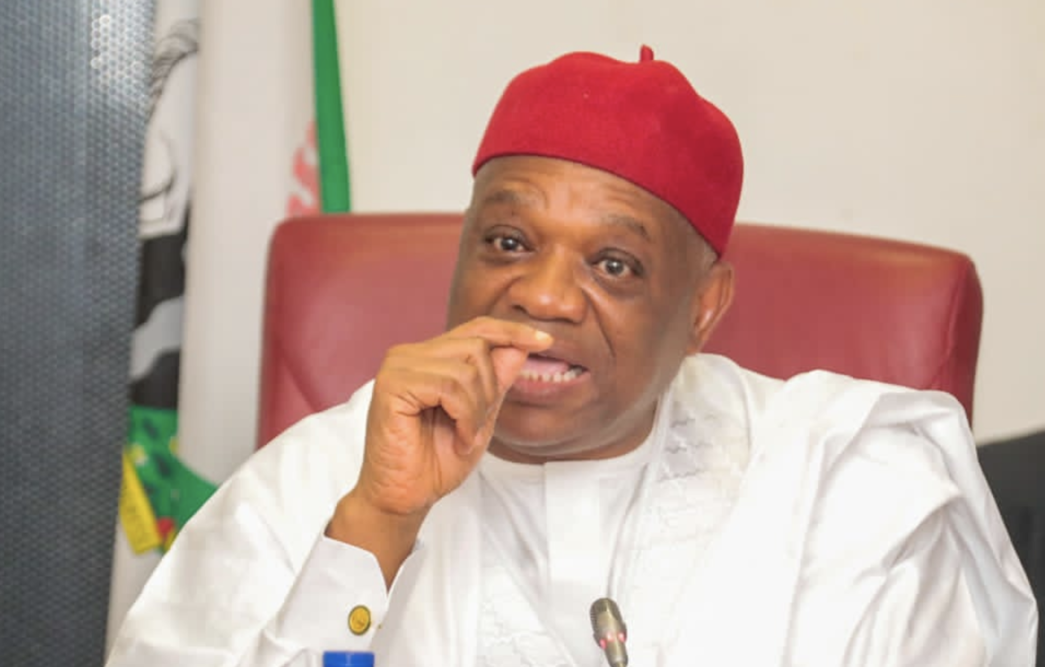
In a notable development at the intersection of national security and media freedom, Kogi State Governor, Ahmed Ododo, has extended formal congratulations to the Director-General of the Department of State Services (DSS), Mr. Oluwatosin Ajayi, for receiving the International Press Institute (IPI) Press Freedom Award.
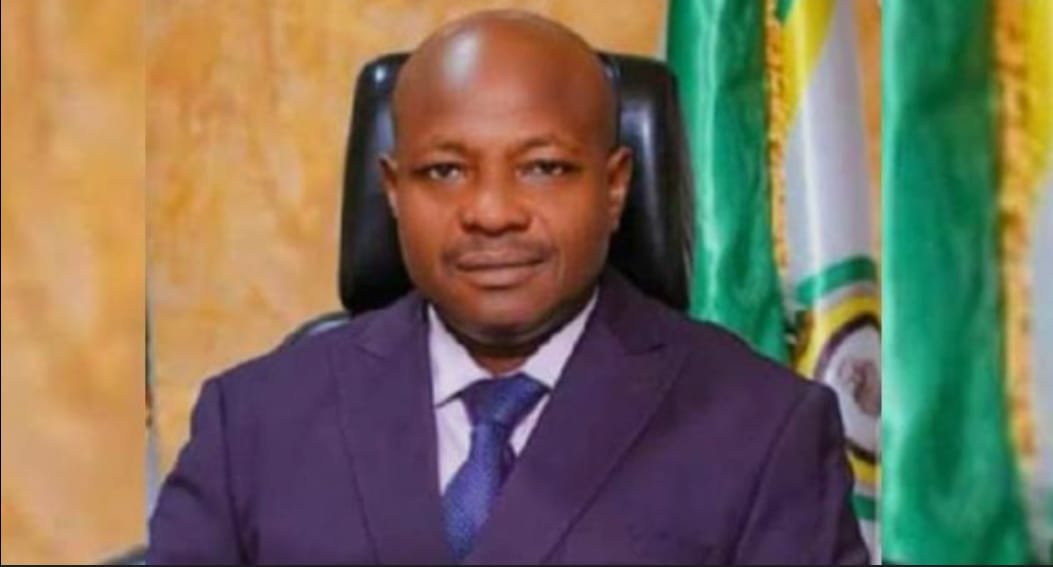
The award, announced in late December 2025, recognizes individuals who have made significant contributions to protecting and promoting a free press. Governor Ododo’s commendation, conveyed through a statement by the State Commissioner for Information and Communications, Mr. Kingsley Fanwo, highlights the unique and symbolic nature of a security chief being honored for press freedom.
Governor Ododo described the accolade as “a testament to Ajayi’s leadership and respect for democratic values.” He elaborated that the award affirms the DSS DG’s “exceptional professionalism and commitment to promoting constructive engagement with the media.” This perspective is crucial, as security agencies and the media have historically operated in a climate of mutual suspicion in many democracies, including Nigeria.
Context and Deeper Significance: The IPI Press Freedom Award is not merely a ceremonial honor. The International Press Institute is a global network of editors, media executives, and journalists dedicated to safeguarding press freedom and improving journalism practices. For its award to be bestowed upon the head of a domestic intelligence agency signals a potentially transformative shift. It suggests recognition of a deliberate policy shift under Ajayi’s leadership—from viewing the media as a sector to be monitored to treating it as a partner in governance and national security.
Governor Ododo drew from firsthand experience, recalling Ajayi’s “outstanding tenure” in Kogi State prior to his national appointment. “Kogi is thrilled with this recognition because we have always believed in Mr. Oluwatosin Ajayi,” Ododo stated. “He served us with distinction, diligence, and top-notch professionalism. His national achievements reflect the same discipline, fairness, and strategic leadership we saw in Kogi.” This personal testimony adds weight to the award, grounding Ajayi’s recognized principles in observable past conduct.
A Redefined Relationship: The core of Ododo’s message praised Ajayi for “redefining the relationship between security agencies and the media, fostering cooperation and mutual understanding.” This is perhaps the most impactful element of the award’s story. A constructive relationship is built on transparency, access, and respect for the media’s watchdog role, even when reporting is critical. It moves beyond mere press releases to meaningful dialogue and the protection of journalists’ rights to operate safely.
In his closing remarks, Governor Ododo reaffirmed Kogi State’s “support for initiatives strengthening democratic institutions and press freedom” and urged “other security agencies to continue to engage the media as partners in nation-building.” This transforms the statement from a simple congratulatory note into a public policy endorsement and a model for inter-agency conduct.
Broader Implications: This award and the political reaction it has generated serve as a case study in democratic consolidation. It demonstrates that security and liberty are not mutually exclusive but can be synergistic. For the media, it offers a framework for more secure and productive engagement with sensitive institutions. For the public, it reinforces the ideal that those entrusted with great power are also accountable to the principles of open democracy, with the press serving as a vital conduit for that accountability.
The recognition of DSS boss Oluwatosin Ajayi by the IPI, therefore, stands as a significant moment, championed by Governor Ododo, that merits attention beyond the congratulatory headlines. It represents a tangible step towards normalizing a healthier, more professional dynamic between Nigeria’s security apparatus and its Fourth Estate.
Report by Stephen Adeleye for the News Agency of Nigeria (NAN). Edited by Sandra Umeh.